
Alkyl Polyglycoside Manufacturer Insights on Sustainable Cleaning Ingredients
2026-08-10
The cleaning industry is turning over a new leaf, but what's really inside those eco-friendly solutions? Alkyl polyglycosides are quietly reshaping the sustainable cleaning landscape, offering a powerful yet gentle alternative derived from renewable resources. As demand surges, the insights from a specialized alkyl polyglycoside manufacturer become invaluable. That's where HAISEN steps in—not just as a supplier, but as a partner decoding the science behind green performance. In this blog, we peel back the layers on how these bio-based surfactants are crafted, scaled, and optimized for tomorrow's cleaning products, drawing directly from the expertise of HAISEN's team. Curious about the hidden chemistry that could redefine your formulations? Let's dive in.
Why Alkyl Polyglycosides Lead the Shift Toward Eco-Friendly Surfactants
Alkyl polyglycosides stand out because they originate from renewable feedstocks like corn starch and palm oil, breaking the industry's long dependence on petrochemicals. Unlike conventional surfactants that persist in the environment and build up in ecosystems, these sugar-based molecules break down rapidly and completely, leaving no toxic residues behind. Their gentle chemistry also cuts the ecological impact at both ends of the lifecycle—from ingredient sourcing through to wastewater treatment.
Performance is not sacrificed for sustainability. Alkyl polyglycosides deliver stable foam, thorough wetting, and effective cleaning even in hard water or at high temperatures, making them ideal for household products, personal care, and industrial formulations. Their compatibility with other ingredients allows formulators to simplify recipes, eliminate harsh solvents, and still achieve the sensory experience consumers expect. This balance of mildness and power undercuts the old myth that green chemistry means compromised results.
Regulatory shifts and consumer preference are accelerating the pivot. As bans on sulfates, phosphates, and microplastics tighten globally, brands that embrace alkyl polyglycosides not only comply ahead of the curve but also build trust with increasingly ingredient-conscious buyers. The move toward such surfactants is less a trend than a maturation of the market, where functionality, safety, and ecological intelligence finally converge in everyday products.
Breaking Down the Production Process: From Biomass to Biodegradable Cleansers
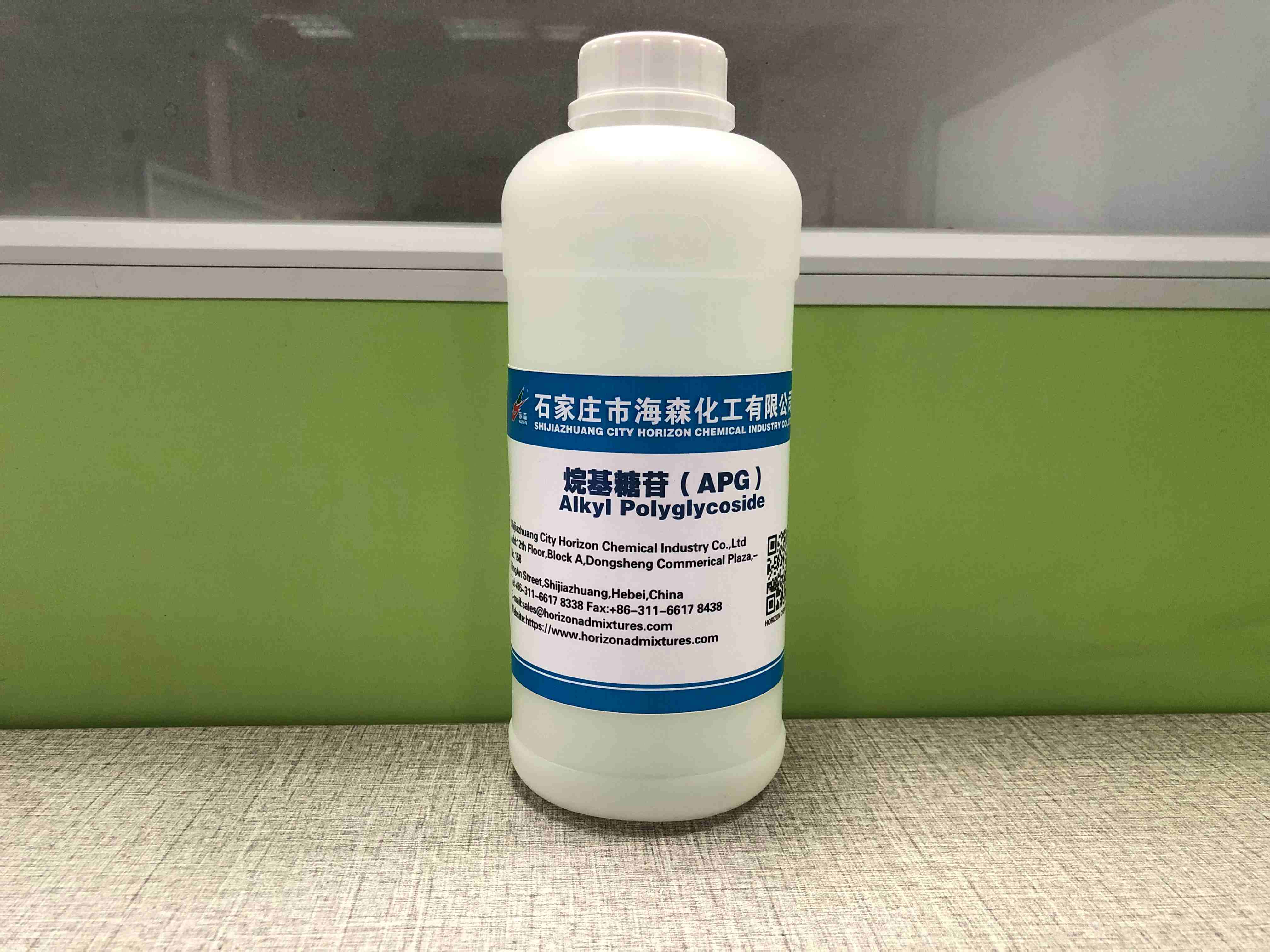
Turning raw plant material into a bottle of biodegradable cleanser is more straightforward than you might expect. It all starts with selecting the right biomass—often agricultural byproducts like corn stover, sugarcane bagasse, or even algae. These feedstocks are rich in carbohydrates that can be broken down through fermentation, much like brewing beer, but with a different end goal. The microorganisms used in this step are chosen for their ability to convert sugars into specific building blocks, such as lactic acid or ethanol, which serve as the backbone for our cleansing agents.
Once we have these simple molecules, the next phase involves linking them together into larger structures called biopolymers. Through controlled chemical or enzymatic reactions, we can create surfactants—the active cleaning components in soaps and detergents—that are both effective and fully compostable. The beauty of this approach is that the entire process can be tuned to produce mild, skin-friendly cleansers without relying on petroleum-based inputs. Water and energy usage are also optimized, often by recycling heat and reusing process water in closed-loop systems.
Finally, after purification and quality checks, the biodegradable cleansers are formulated into final products, ready to rinse away dirt without leaving a lasting mark on ecosystems. Unlike conventional cleansers that persist in waterways, these plant-derived alternatives break down naturally within weeks under composting conditions. It’s a production journey that mirrors nature’s own cycles, turning what would be waste into something that ultimately returns to the soil safely.
What Makes APGs Gentle on Skin Without Sacrificing Cleaning Power?
Alkyl polyglucosides rely on a clever structural design: a hydrophilic sugar head and a lipophilic fatty alcohol tail. This dual nature lets them loosen dirt and oil effectively, but the sugar component also binds water molecules, creating a cushioning film on the skin's surface during washing. Unlike traditional surfactants that strip away natural lipids aggressively, APGs interact more gently with the stratum corneum, preserving the skin's moisture barrier while still removing impurities.
Another reason for their mildness lies in their large molecular size. APG molecules don't penetrate deep into the skin layers; they work primarily on the surface, minimizing irritation potential. The absence of strong ionic charges further reduces the risk of protein denaturation, which is often the culprit behind tight, dry skin after cleansing. This combination of surface-level action and low irritation makes them ideal for formulas that need to be both powerful and kind to sensitive skin.
What truly sets APGs apart is how they maintain cleaning efficacy without harshness. Even in soft or hard water, they produce a stable, creamy foam that lifts away oils and particulates efficiently. Tested on various soils—from sebum to environmental pollutants—they match the performance of harsher surfactants at low concentrations. This means formulators don't need to compensate with harsh additives, keeping the entire cleansing system inherently mild while delivering a satisfying, thorough wash.
The Hidden Challenges of Sourcing Sustainable Raw Materials
Sourcing raw materials that are truly sustainable is far more complex than simply choosing suppliers with green certifications. The first major hurdle is the lack of transparency deep within supply chains. Many materials pass through multiple intermediaries before reaching manufacturers, making it nearly impossible to trace their exact origins. This opacity can mask environmentally destructive practices, such as illegal logging or water pollution, that occur at the very start of the chain.
Another challenge is the tension between sustainability and economic pressures. Smallholder farmers and miners, who often supply a large share of global raw materials, may depend on practices that degrade ecosystems simply to survive. When demand for sustainable alternatives grows, these producers can be pushed further into poverty if they lack the resources to transition. Balancing ethical sourcing with fair livelihoods requires more than just corporate pledges—it demands long-term investment and collaboration that many companies are hesitant to commit to.
Finally, the inconsistent and sometimes conflicting standards for what counts as “sustainable” create confusion and open doors for greenwashing. A material might be certified by one body for low carbon footprint but still be linked to biodiversity loss or human rights abuses overlooked by that scheme. This patchwork of certifications forces buyers to navigate a minefield, often unknowingly supporting systems that cause harm while thinking they’ve made a responsible choice.
How Manufacturers Test for Environmental Safety and Performance
Getting a product from the drawing board to the store shelf involves much more than just assembly. Manufacturers rely on a mix of controlled lab tests and real-world simulations to ensure that items won’t fail unexpectedly or leave a heavy footprint on the environment. For instance, they might bake a device in a thermal chamber, shake it on a vibration table, or expose it to salt spray for days on end—all to see if it can hold up under extreme conditions without leaking hazardous materials or losing functionality.
Beyond physical stress, chemical scrutiny plays a big role. Teams often dismantle components to check for restricted substances like cadmium, phthalates, or flame retardants that could seep out during use or disposal. Many manufacturers also run lifecycle assessments, tracking everything from raw material extraction to end-of-life recycling. This helps pinpoint stages where energy use spikes or where toxic byproducts might sneak in, so engineers can swap out problematic materials early on.
Performance isn’t just about survival—it’s about efficiency over the long haul. A power tool, for example, gets put through repetitive workload cycles to measure battery drain and heat buildup, while a water filter undergoes accelerated clogging tests to mimic years of service. Field trials then take this a step further, with prototypes placed in homes, hospitals, or vehicles to gather feedback on how they really perform when no one’s watching. That messy, unpredictable data often reveals issues that spotless lab conditions never would.
Real-World Applications: Where Alkyl Polyglycosides Outperform Traditional Options
Alkyl polyglycosides (APGs) have carved out a unique niche in household cleaning products precisely because they dissolve grease without stripping surfaces or irritating skin. In kitchen degreasers, their sugar-based structure gently lifts stubborn oils from stovetops and cookware, leaving behind no harsh chemical residue. This performance edge becomes obvious when compared to petroleum-derived surfactants that often require aggressive scrubbing and still leave a faint haze. APGs also shine in laundry pre-treatments, where their mildness protects fabric fibers while enzymatic compatibility lets them boost stain removal in delicate cycles. The result is a cleaner that performs where traditional options falter—on sensitive surfaces and in low-temperature washes.
Personal care formulators are rapidly turning to APGs for products that contact sensitive areas. In facial cleansers and baby shampoos, the surfactant’s inherent mildness reduces the risk of stinging eyes and post-wash tightness that traditional sulfates often cause. Because APGs generate a creamy, dense foam rather than copious, loose bubbles, they create a sensation of richness without over-drying. In toothpaste, their compatibility with enzymes and flavors makes them ideal for formulations where traditional foaming agents would interfere with active ingredients. This has led to a quiet shift in high-end cosmetic lines that prioritize skin barrier health over quick lather.
Industrial settings have also discovered advantages that are less publicized but equally important. APGs prove exceptionally effective in hard-surface cleaning for food processing plants, where their broad range of solubility and stability in alkaline and acidic conditions keeps equipment free of biofilm without corroding stainless steel. Agricultural pesticide formulations benefit from APGs’ low phytotoxicity and ability to enhance spreading on waxy leaves—something that ethoxylated alcohols struggle to match without causing leaf burn. Even in oilfield applications, APGs are being used in enhanced recovery operations where their biodegradability and high salt tolerance outlast traditional nonionic surfactants in brine-laden reservoirs. These under-the-radar uses demonstrate how APGs quietly outcompete conventional options in demanding environments where failure isn’t an option.
FAQ
Alkyl polyglycosides are derived from renewable resources like corn starch and fatty alcohols, which means they break down easily in the environment and don't persist in waterways. Their manufacturing process also tends to have a lower carbon footprint compared to purely synthetic surfactants.
It's all about tight control over the feedstock supply chain and advanced process monitoring. Manufacturers work closely with agricultural partners to source high-purity raw materials, and they use real-time analytics during production to adjust reaction conditions and maintain batch-to-batch uniformity.
Besides being plant-derived, APGs show excellent skin compatibility and mildness, which makes them ideal for sensitive skin products. They also perform well in hard water and have synergistic effects with other surfactants, allowing for milder yet effective formulations.
One big challenge is managing the exothermic reaction while keeping product quality high. To overcome this, companies invest in specialized reactor designs and continuous processing methods that improve heat dissipation and reduce cycle times without compromising the glycoside structure.
Absolutely, they're versatile enough for industrial degreasers, food processing cleaners, and even agricultural wetting agents. Their strong wetting power and tolerance to alkaline conditions make them effective in heavy-duty formulas, not just in shampoos and hand soaps.
Many are closing the loop by using by-products from other industries as feedstock and designing products that enable safer, biodegradable waste streams. They also support take-back programs and work with formulators to reduce overall packaging and water use in the final product.
Conclusion
Alkyl polyglycosides (APGs) have quietly reshaped the surfactant landscape, and manufacturers now see them as the cornerstone of truly sustainable cleaning. Unlike petroleum-derived alternatives that linger in ecosystems, APGs are built from renewable feedstocks—typically corn starch or coconut oil—and break down completely into harmless sugars and fatty alcohols once rinsed away. The shift isn’t just about green imagery; it’s baked into the chemistry. By linking a glucose unit to a fatty alcohol, the molecule marries mildness with impressive cleaning power, a balance that has eluded formulators for decades. Production itself follows a low-waste philosophy: the raw materials are cooked under controlled conditions, often using acid catalysts that can be recovered, and the water byproduct is minimal. Making APGs at scale, however, demands rigorous control over temperature and pressure to avoid color darkening or excess residual glucose, so manufacturers invest heavily in real-time monitoring and purification steps that keep the final product crystal-clear and odor-free.
Behind every batch lies a less visible struggle—securing high-grade biomass that meets sustainability pledges without competing with food supply. Coconut oil yields fluctuate with climate and geopolitics, while corn-based glucose raises land-use questions. Leading producers tackle this through diversified sourcing, supplier audits, and certification schemes like mass-balanced RSPO. Once the raw material puzzle is solved, the real proving begins: labs simulate everything from hard-water performance to aquatic toxicity on daphnia and algae, ensuring that the surfactants biodegrade rapidly under OECD protocols and leave no lasting footprint. The payoff shows up in products that feel milder than sulfates yet lift grease in laundry liquids, disperse dirt in hard surface sprays, and even stabilize natural emulsions in personal care without irritation. Many industrial formulators are now replacing ethoxylated alcohols and LAS with APGs in places where water conservation or sensitive skin matter most—think eco-labeled dish soaps, baby wipes, and institutional cleaners used around plants and pets. The consensus among manufacturers is clear: APGs aren’t a niche compromise but the logical next step for anyone serious about performance that doesn’t cost the planet.
Contact Us
Contact Person: Sam Lee
Email: [email protected]
Tel/WhatsApp: 86-311-6617 8338
Website: https://www.horizonadmixtures.com/