

Best Organic Fertilizer for Thriving Gardens and Lush Greenery
2026-07-23
A thriving garden starts with what you feed it—and nothing beats the power of premium organic fertilizer. Whether you're coaxing blooms from flower beds or nurturing deep-green lawns, the secret lies in soil health and nutrient-rich blends that work with nature, not against it. That's where Tundrr comes in, offering a carefully crafted solution that enriches your earth without synthetic shortcuts. Imagine vibrant plants, stronger roots, and a garden that practically glows with vitality. In this post, we’ll dig into what makes organic fertilizer the unmistakable choice for lush, flourishing greenery—and how a little soil wisdom can transform your outdoor space into the envy of the neighborhood.
Why Your Soil Craves More Than Just Nutrients
Soil isn’t just a container for roots; it’s a living, breathing ecosystem that thrives on far more than a simple dose of fertilizer. Beneath the surface, a hidden world of microbes, fungi, and organic matter works tirelessly to support plant health. This biological engine needs diversity and balance—qualities that synthetic nutrients alone can’t provide. Without them, soil becomes compacted, lifeless, and unable to deliver even the basic building blocks plants need. Think of it like a gut microbiome: you can swallow all the vitamins you want, but if your internal ecosystem is out of whack, absorption suffers. Your soil’s vitality hinges on much more than NPK ratios.
Over time, relentless tilling, chemical inputs, and monoculture planting strip away the very fabric that makes soil productive. The complex food web—from earthworms to mycorrhizal networks—collapses, leaving behind a sterile medium that can’t regulate water, fend off disease, or cycle nutrients efficiently. What your garden truly hungers for is structure: crumbly, well-aggregated soil that holds moisture without drowning roots. This physical dimension comes from organic residues, root exudates, and the glues produced by active biology. When you focus only on piling on more fertilizer, you ignore the architectural and relational needs of the soil, and plants will never reach their full potential.
Reviving your soil means nurturing its hidden allies. Adding compost isn’t just about organic matter—it’s an inoculation of beneficial organisms that kickstart decay and nutrient release. Cover crops protect bare ground and feed the underground herd with sugary root secretions. Reducing disturbance allows fungal highways to develop, bridging gaps between roots and distant resources. Even the pH and mineral balance matter, but only when seen as part of a larger, dynamic system. Your soil craves connection, resilience, and a steady supply of carbon from living plants. Feed that craving, and you’ll watch it transform from dirt into a powerhouse of fertility.
The Hidden Magic of Worm Castings and Compost Teas
There’s a quiet transformation happening beneath our feet that most gardeners overlook. Worm castings, the rich waste left behind by earthworms, are not just simple manure. They’re teeming with beneficial microbes, enzymes, and humic acid that work together to unlock nutrients in the soil. Unlike synthetic fertilizers that can burn roots or leach away, castings release goodness slowly, improving soil structure and water retention without any harsh side effects. Plants fed with them often show deeper root systems and a natural resistance to pests—almost as if the soil itself has woken up.
Then there’s compost tea, a bubbly brew that takes this microbial magic and amplifies it. By aerating a mix of quality compost or castings with unsulfured molasses, you create a liquid inoculant bursting with billions of beneficial bacteria and fungi. Sprayed on leaves, it can outcompete disease-causing organisms and even boost photosynthesis. Drenched into the soil, it jumpstarts the entire underground food web. The real trick is using it fresh—within hours of finishing the brew—because that’s when the beneficial life is most active and ready to colonize.
What’s truly fascinating is the symbiotic dance between these two natural inputs. Worm castings provide the slow-release foundation and microbial seed bank; compost tea delivers an immediate surge of life exactly where and when you need it. Together, they can rehabilitate tired dirt into vibrant, living soil that cycles nutrients efficiently. It’s a approach that relies less on bottle-feeding plants and more on cultivating a resilient ecosystem right in your garden bed, pot, or field. Once you see the glossy leaves and vigorous growth, you’ll understand why so many growers call it hidden magic.
Reading Fertilizer Labels Without the Confusion
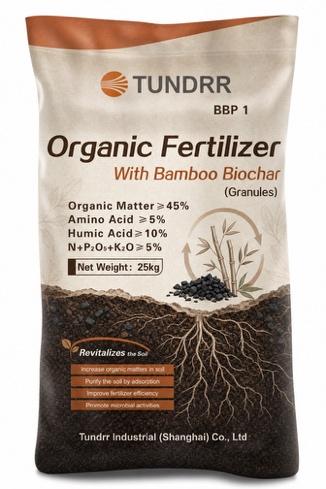
Fertilizer bags often look like a jumble of numbers and terms that can feel overwhelming at first glance. The three bold digits prominently displayed, such as 10-10-10, are the N-P-K ratio. These stand for nitrogen, phosphorus, and potassium—the primary nutrients plants need. Nitrogen promotes leafy growth, phosphorus supports root and flower development, and potassium strengthens overall plant health and disease resistance. Understanding this simple sequence immediately demystifies the front of any fertilizer package.
Beyond the N-P-K, the fine print holds details that matter just as much. Look for the nutrient sources—are they synthetic or organic? Synthetic fertilizers work quickly but may leach away, while organic options release nutrients slowly and improve soil structure. The label will also indicate the percentage of each nutrient and sometimes list secondary nutrients like calcium or magnesium and trace elements. Pay attention to application instructions, as over-fertilizing can burn roots and harm plants. The coverage area and recommended frequency are tailored to the product's potency, so following them saves you from guesswork.
Another key detail is whether the fertilizer is designed for a specific plant type, like lawns, vegetables, or blooming flowers, as these formulations have adjusted N-P-K ratios. Some labels may include a multipurpose claim, but matching the product to your garden's needs always yields better results. Don't be swayed by flashy claims—focus on the numbers and the ingredient list. With a bit of practice, reading a fertilizer label becomes second nature, turning a confusing chore into a confident step for a thriving garden.
Timing Is Everything: When to Feed Your Plants
Feeding your plants isn't just about what you give them—it's about when you offer it. Think of fertilizing as a carefully timed conversation between you and your garden. Just as you wouldn't wake someone at 3 a.m. with a heavy meal, you shouldn't force nutrients on plants when they're not ready to absorb them. The magic happens when you align your feeding schedule with their natural growth cycles. During active growth phases, like spring's burst of new leaves and summer's flowering flurry, plants are hungry and receptive. Hit them with a balanced, water-soluble feed every two to three weeks, and you'll see the difference. But when growth slows in the cooler months, many plants enter a rest phase—press pause on the fertilizer, because unused nutrients can build up in the soil, harming roots and attracting pests. It's a simple rhythm that turns guesswork into green-thumb confidence.
The time of day matters more than most realize. Early morning, when the sun is gentle and the stomata—tiny pores on leaves—are open, is the golden hour for liquid feeding. This allows plants to absorb nutrients without the stress of midday heat, which can cause evaporation or leaf burn. Evening feeds are trickier: damp leaves overnight can invite fungal issues, so if you must feed late, aim for the soil, not the foliage. Container plants are particularly time-sensitive; their limited soil dries out faster, so a consistent morning routine prevents the feast-or-famine cycle that stunts growth. Pay attention to the weather, too. Feeding right before a downpour washes your efforts away, while a light rain can help nutrients soak in. It's these small, mindful adjustments that turn a chore into a ritual, and your plants will show their appreciation with vibrant health.
Perennials and flowering shrubs have their own timeline, often tied to the seasons. Spring bloomers, like lilacs and azaleas, thrive when fed lightly right after they finish flowering—this fuels next year's buds without disrupting the current show. Heavy feeders such as roses demand a more rhythmic approach: a first dose as leaf buds break in early spring, a second after the first bloom cycle, and a final light feeding in late summer to harden them off before frost. Vegetables are no different. Fast-growing greens like lettuce respond to quick, nitrogen-rich boosts early on, while tomatoes prefer a phosphorus-heavy snack just as they start to fruit. The key is watching the plant, not the calendar. Yellowing lower leaves? A gentle liquid feed might be overdue. Dark, lush growth with no blooms? Ease off and let the plant find its balance. When you start listening to these signals, feeding becomes intuitive, and your garden will reward you with its own quiet language of growth.
Kitchen Scraps That Double as Garden Gold
Tossing vegetable peels and coffee grounds into the trash always felt a bit wasteful—turns out, those scraps are exactly what your garden craves. Banana skins break down quickly and release potassium, giving flowering plants a gentle boost without any chemical fuss. Crushed eggshells make a surprisingly effective barrier against slugs, their sharp edges a natural deterrent that dissolves slowly into the soil, adding calcium along the way.
Used coffee grounds are a quiet powerhouse: they improve soil structure, attract earthworms, and add a modest acid kick that blueberries and roses genuinely love. Even the water from boiling vegetables (unsalted, of course) can be cooled and poured onto plants, delivering a light nutrient bath that feels like a secret garden ritual rather than a chore.
Citrus peels might take longer to decompose, but they’re worth saving for repelling pests—cats and aphids tend to steer clear. Just bury them shallowly near the stems, and let nature do the rest. It’s a small shift that turns kitchen routine into a quiet loop of regeneration, no fancy gear needed.
Avoiding the Over-Fertilization Trap
Gardeners often equate more fertilizer with faster growth, but this mindset sets a dangerous trap that can harm plants, soil health, and the wider environment. When nitrogen, phosphorus, and potassium flood the root zone beyond what plants can absorb, they disrupt delicate biological balances—burning tender roots, triggering weak, leggy growth, and inviting pests and diseases that prey on stressed plants. The excess doesn't stay put either; it leaches into groundwater or runs off into waterways, feeding algal blooms that suffocate aquatic life. Recognizing this cycle is the first step toward healthier cultivation habits.
Breaking free starts with understanding what your plants are actually telling you. Yellowing leaves, stunted growth, and a crusty white residue on soil surfaces frequently signal nutrient overload rather than deficiency. Instead of reaching for the fertilizer bag at the first sign of trouble, test your soil—simple home kits or lab analyses reveal exactly what's available and what's lacking. Many common garden soils already hold adequate phosphorus and potassium, yet growers pile on complete fertilizers year after year, creating toxic accumulations. Learning to read these cues transforms guesswork into precision.
A smarter approach mimics natural systems: feed the soil, not just the plant. Incorporate organic matter like compost or well-rotted manure, which releases nutrients slowly and builds lasting soil structure. For targeted boosts, choose slow-release or organic fertilizers with lower NPK numbers, and apply them only during active growth periods. Foliar feeding with diluted seaweed or fish emulsion can correct minor deficiencies without overloading the root zone. And never underestimate the power of mulch to retain moisture and gradually add nutrients. By shifting focus from maximum yield to ecological balance, you'll cultivate resilient plants that largely fertilize themselves.
FAQ
It’s all about feeding the soil, not just the plants. A top-quality organic fertilizer improves soil structure, encourages beneficial microbes, and releases nutrients slowly. This steady nourishment helps roots develop deeply and prevents the boom-and-bust growth you often see with synthetic options.
They work with nature rather than forcing quick results. Organic materials like composted manure or seaweed extract provide a wide spectrum of micronutrients and trace elements. This leads to stronger cell walls, richer chlorophyll production, and healthier leaves that can better resist pests and diseases—without chemical burns.
Look beyond just N-P-K numbers. While nitrogen, phosphorus, and potassium are essential, ingredients like calcium, magnesium, and sulfur play huge roles. Also, humic acids and beneficial fungi (often found in quality blends) boost nutrient uptake. For lush greenery, a slightly higher nitrogen ratio from sources like alfalfa meal or blood meal can work wonders.
Worm castings are a powerhouse for overall soil health. Compost tea gives a quick microbial boost. Fish emulsion is great for a nitrogen kick during growth spurts. And for long-term feeding, well-rotted compost blended with bone meal and kelp covers most plant needs. The trick is matching the fertilizer to your specific plants and soil test.
It depends on the form. Granular slow-release types might be applied once or twice a season, while liquid feeds like fish emulsion can be used every two to four weeks during active growth. The golden rule: watch your plants. They’ll show signs of deficiency or overfeeding long before a calendar does.
Absolutely. Stinging nettle tea makes a potent nitrogen-rich feed. Banana peels soaked in water release potassium for flowering. Crushed eggshells provide calcium. A balanced DIY mix could be equal parts composted manure, coffee grounds, and wood ash—but use ash sparingly to avoid pH swings. Always test small batches first.
Soil life is the secret ingredient. In low-organic-matter soil, fertilizers break down slowly because there aren’t enough microbes to process them. Adding compost or mulch can kickstart the soil food web. Also, pH matters: if it’s too acidic or alkaline, nutrients lock up and plants can’t absorb them, no matter how much organic goodness you apply.
Conclusion
A truly thriving garden starts from the ground up, and that means going beyond simply dumping nutrients into the soil. Your soil is a living ecosystem craving organic matter, beneficial microbes, and a slow-release food source that synthetic options can’t replicate. Worm castings and compost teas are a hidden superpower here—they inoculate the earth with life, improving structure and moisture retention while feeding plants gently. Unlike quick-fix chemical blends, these natural amendments build lasting fertility, encouraging roots to stretch deep and foliage to glow with health. This holistic approach transforms tired dirt into a vibrant, self-sustaining foundation that supports lush greenery season after season.
Turning kitchen scraps into garden gold is one of the simplest ways to enrich your space without relying on store-bought bottles. Banana peels, crushed eggshells, and coffee grounds all break down into a nutrient buffet that plants love. But to really harness the best organic fertilizer for vibrant growth, timing and technique matter—feed actively growing plants early in the season, and learn to read labels so you know exactly what you’re adding. Too much of even a good thing can backfire, causing weak, leggy growth or salt buildup. By tuning into your garden’s rhythms and feeding with intention, you avoid the over-fertilization trap while cultivating a resilient, beautifully alive outdoor haven.
Contact Us
Contact Person: Ellen Zhang
Email: [email protected]
Tel/WhatsApp: +86(21) 2287 6756
Website: https://www.tundrr.com/en/