
Best PPGI: Top Picks for Durable Pre-Painted Galvanized Steel
2026-09-29
Choosing the right PPGI can feel like navigating a maze of suppliers and specs—until you find options that truly hold up to years of weather and wear. In this guide, we cut through the noise to highlight the most durable pre-painted galvanized steel picks on the market. Among them, LANYUN stands out for its consistent coating quality and long-lasting finish, making it a go-to for projects that demand reliability. Ready to see which PPGI earns its keep? Let's dive in.
Why Pre-Painted Galvanized Steel Holds Up Better Than Bare Metal
The real difference starts with the zinc layer. On bare metal, any scratch or chip in a protective coating gives moisture a direct path to the steel, and rust follows quickly. Pre-painted galvanized steel doesn't work that way. The zinc coating underneath the paint acts as a sacrificial layer; it corrodes before the steel does, sealing off small scratches and preventing rust from spreading sideways under the finish.
On top of that, the factory-applied paint forms a dense, uniform barrier that simply isn't easy to replicate on-site. It blocks oxygen and water from reaching the zinc in the first place, which extends the life of the whole panel. Bare metal that gets painted after fabrication often has thin spots, sharp edges with minimal coverage, and weak adhesion, all of which become entry points for corrosion.
Over time, this combination changes the economics. Pre-painted galvanized steel needs far less touch-up work and resists blistering and flaking longer than bare metal with a field-applied coating. In coastal, industrial, or high-humidity environments, the margin is even wider. You end up replacing panels less often, which is usually the strongest argument for the upfront choice.
Inside the Coating System That Gives PPGI Its Edge
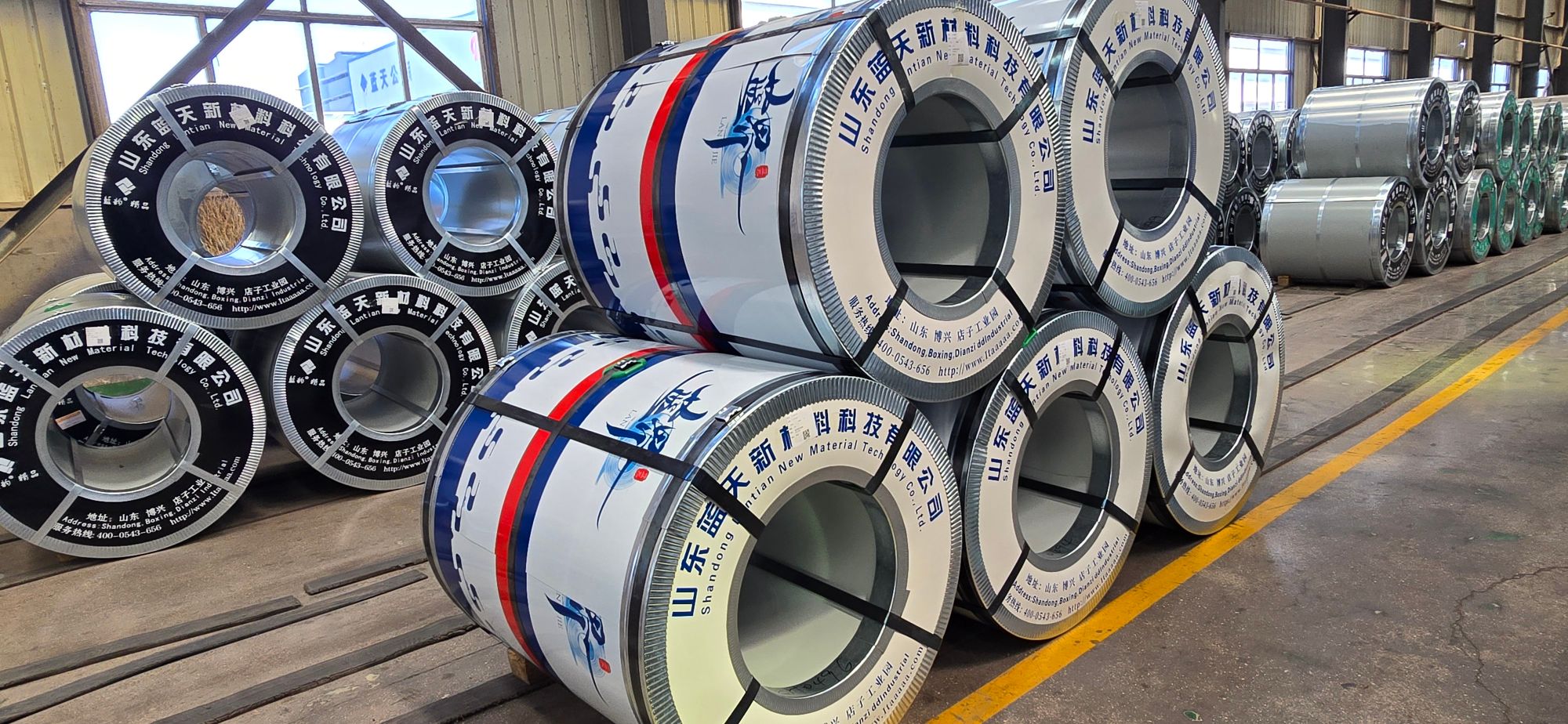
The performance gap between standard pre-painted steel and premium PPGI rarely comes from the steel itself. It sits in the coating stack. A properly specified system starts with a thin conversion or primer layer that grips the zinc-aluminum substrate and blocks underfilm corrosion at scratches. Many lines still run chrome-based pretreatments, but the better coil coaters now use zirconium or silane chemistries that get comparable adhesion without the regulatory baggage.
Above the primer, the topcoat has to do two contradictory jobs: bend without cracking during roll forming, and resist chalking after years of sun exposure. That is why polyester resins dominate commodity PPGI—they offer a workable balance—while silicone-modified polyester and PVDF formulations are reserved for profiles that need 20-year color retention. Cure temperature and peak metal temperature matter just as much as resin choice; an underbaked topcoat will pass initial adhesion tests but lose flexibility within a few months of outdoor exposure.
What many buyers overlook is the backside coating. A one-coat reverse side might save money at the mill, but it leaves the panel vulnerable to condensation trapped in roof or wall cavities. The better systems specify a two-coat backside with zinc-rich or epoxy primer, especially for coastal or agricultural environments where the reverse face sees more corrosive hours than the front. Cutting edge protection here is false economy.
Coating Formulations Proven to Handle Harsh Sun and Salt
Marine and coastal assets don't fail from a single harsh summer—they degrade through thousands of small UV-driven bond breaks and chloride intrusions that cheaper topcoats allow. Formulations built for these exposures rely on tightly cross-linked siloxane or fluoropolymer backbones rather than aromatic epoxies that chalk and yellow within two years. The difference shows up in gloss retention after 5,000 hours of QUV-B and in scribe creep under ASTM B117 salt fog, where the right binder system keeps corrosion creep under 2 mm even after 3,000 hours.
Pigment selection matters just as much. Mixed metal oxide pigments and sheathed aluminum flakes survive where organic colorants bleach out, and barrier extenders like micaceous iron oxide lengthen the diffusion path for salt ions. Field data from offshore platforms and seaside handrails show the same pattern: a high-solids, low-VOC formula with a zinc-rich primer and a polysiloxane topcoat still holds adhesion and color after seven years of direct sun and salt spray, while a conventional polyurethane needs recoat by year four.
Where Durable PPGI Panels Earn Their Keep on Real Buildings
Along salt-sprayed coastlines and in heavy industrial zones, PPGI panels take a beating that lesser claddings simply can't handle. The galvanized base coat under the paint keeps rust from creeping in at cut edges and fastener points, which is exactly where most metal walls start to fail. Marine air, chemical fallout, and constant humidity don't lift the coating the way they do on ordinary pre-painted sheets.
Roofs on logistics hubs and agricultural buildings see the same abuse but with added thermal stress. PPGI sheets hold their color and gloss through years of UV exposure, and the paint system resists chalking long enough that owners aren't repainting every few seasons. That matters when a warehouse spans a hundred thousand square feet and downtime for maintenance costs more than the panels themselves.
Even in less punishing settings like retail strips or school gymnasiums, the real payoff shows up at the details—flashing, trim, and seams that stay tight without peeling or blistering. A properly installed PPGI envelope shrugs off wind-driven rain and thermal movement, so the building looks sharp from the street long after cheaper alternatives have started to stain and corrode.
Specifying PPGI Without Paying for Inflated Performance Claims
Many suppliers lean on glossy datasheets and marquee test results that don’t reflect real-world exposure. Instead of accepting those numbers at face value, pin down the exact coating system—primer, topcoat, backer—and ask for third-party test reports tied to the specific substrate and film thickness you’re actually buying. If a claim rests on a single accelerated weathering figure, request correlation data with field performance in your climate zone. That one step eliminates a surprising number of inflated promises.
Another way to keep costs honest is to split mandatory requirements from nice-to-haves. For panels used indoors or in mild environments, specifying a PVDF topcoat designed for harsh coastal conditions adds cost without any practical benefit. Write the spec around the actual UV load, humidity, chemical exposure, and forming demands your project faces, not around a vendor’s marketing vocabulary. Sometimes a polyester or SMP system will do the job just fine, and the savings can be significant.
Finally, make warranty terms concrete. A 20-year film integrity warranty means little if it excludes fading, chalking, or edge creep—the very failure modes you’re likely to encounter. Require measurable limits for gloss retention and color change after a set number of years, linked to an inspection protocol and a clear remediation path. This forces suppliers to stand behind real performance rather than vague claims, and it weeds out inflated language before it ever reaches the purchase order.
The Minimal Maintenance That Keeps PPGI Looking Fresh for Years
Most people assume keeping PPGI panels looking new requires specialized cleaners or frequent washing. In reality, the opposite is true. A soft rinse with plain water every few months removes the fine dust and road film that slowly dulls the surface. Skip the pressure washer settings that exceed 500 psi, and never scrub with wire brushes or abrasive pads—those micro-scratches invite moisture under the coating.
When water alone leaves a haze, a mild solution of pH-neutral soap and warm water works well. Use a sponge or microfiber cloth, working from top to bottom so dirty runoff doesn't streak clean areas. Rinse thoroughly with low-pressure water, then let the panels air-dry or wipe with a soft squeegee. Avoid solvent-based cleaners, bleach, or acidic detergents; they can break down the resin in the topcoat and cause chalkiness long before the panel's lifespan ends.
The real secret to long-term freshness is checking small details twice a year. Inspect cut edges, fastener heads, and any areas where the coating may have been scratched during installation. A dab of touch-up paint or clear sealant on those spots prevents rust from creeping beneath the finish. This five-minute habit costs almost nothing but adds years to the look of your PPGI.
FAQ
Real durability starts with the base steel, the zinc coating weight, and the paint system together. A thicker galvanized layer, a corrosion-inhibiting primer, and a UV-stable topcoat all play a role in how long the sheet holds up outdoors.
SMP is a solid middle ground for cost and weather resistance. PVDF costs more but keeps its color and gloss noticeably longer, especially near the coast or in harsh sunlight. Polyester is cheaper but fades faster in direct sun.
It shows up in roofing, wall panels, garage doors, metal ceilings, and even appliance casings. Agricultural sheds and warehouses benefit a lot because the steel resists moisture and mild chemical exposure without needing extra site painting.
Ask for the zinc layer mass, dry film thickness, and results from impact or bend tests. A dependable supplier will share those figures openly and offer small samples so you can inspect the surface and color before committing.
Uneven paint coverage, a thin or chalky surface, weak scratch resistance, and vague warranty terms are signs to walk away. Extremely low prices usually mean the zinc coating or primer has been reduced somewhere in the stack.
No. Adhesion and flexibility often matter more. A thinner but well-cured coating can outlast a thick, brittle one that cracks during roll forming or installation.
PPGL uses an aluminum-zinc alloy coating rather than pure zinc. It typically offers better heat resistance and edge protection in corrosive settings, while PPGI is often more affordable and perfectly adequate for standard outdoor projects.
Yes, provided the paint system is designed for bending. Look for products that specify flexibility or pass a T-bend test without micro-cracking. The steel grade also affects how tight a radius you can form without damage.
Conclusion
Pre-painted galvanized steel earns its reputation by combining a zinc barrier with a tightly bonded organic finish, which is why it outlasts bare metal in real-world conditions. Bare sheets rust within months when scratches expose the substrate, but PPGI's galvanic protection keeps corrosion from spreading under the paint film. A closer look at the coating system explains the edge: after cleaning and pre-treatment, a primer grips the galvanized layer, then a topcoat locks in pigments and resins designed for specific exposures. For coastal or desert projects, polyester and PVDF formulations with ceramic or silica additives resist UV fading and salt spray far better than generic paints, and those differences show up in gloss retention and film integrity after years of service.
On actual buildings, durable PPGI panels prove their worth on warehouses, agricultural sheds, and coastal cladding where repainting is costly or disruptive. The smart specifying move is to ignore inflated performance claims and instead ask for physical test reports—QUV weathering, salt spray hours, and pencil hardness—rather than marketing buzzwords. Once installed, the maintenance story is minimal: a rinse with low-pressure water and a pH-neutral cleaner every six to twelve months prevents dirt buildup and edge creep. Combined with proper cut-edge sealing and avoiding abrasive scrubbers, that routine keeps the finish looking fresh without expensive recoating cycles. Choosing a mill with consistent coil-to-coil color matching and a documented pretreatment line is what separates top picks from commodity stock.
Contact Us
Contact Person: Nia
Email: [email protected]
Tel/WhatsApp: +86 18954360337
Website: https://www.sdppgi.com