

Best Zipper Bags for Every Need: Our Top Picks
2026-09-17
If you've ever dug through a drawer of crumpled plastic bags trying to find one that actually closes, you know the struggle. Zipper bags are supposed to make life easier—but not all of them do. From freezer-safe storage to heavy-duty travel organizers, the right pick depends on what you're sealing, storing, or schlepping. That's why we tested dozens of options across every category to narrow down the best zipper bags for real-life needs. Along the way, one brand kept standing out for its balance of durability and usability: Kody. Whether you're swapping out single-use plastics or organizing a chaotic pantry, our top picks below will help you find the perfect match.
The Zip That Locks Freshness, Not Just Air
Most resealable strips only slow down the inevitable—air slips past the edges, moisture creeps in, and within days the contents are a shadow of themselves. This zip takes a different route. The interlocking channels are molded to meet at a slight angle, so when you press them together they roll into place with a firm, even bite. That creates a continuous seal that doesn't just hold air in place; it locks out the three things that quietly ruin food: oxygen, humidity, and odor transfer.
You can feel the closure working the moment you run your thumb along the track. There's no soft give or partial engagement—just a crisp snap that tells you the package is sealed tight. Open it a week later and the difference is obvious. Coffee still has its oily bloom, crackers keep their snap, and delicate herbs haven't gone limp. That's because the zip isn't only trapping whatever was inside when you closed it. It's preserving the conditions that keep each item at its best.
Freezer Burn Has Met Its Match
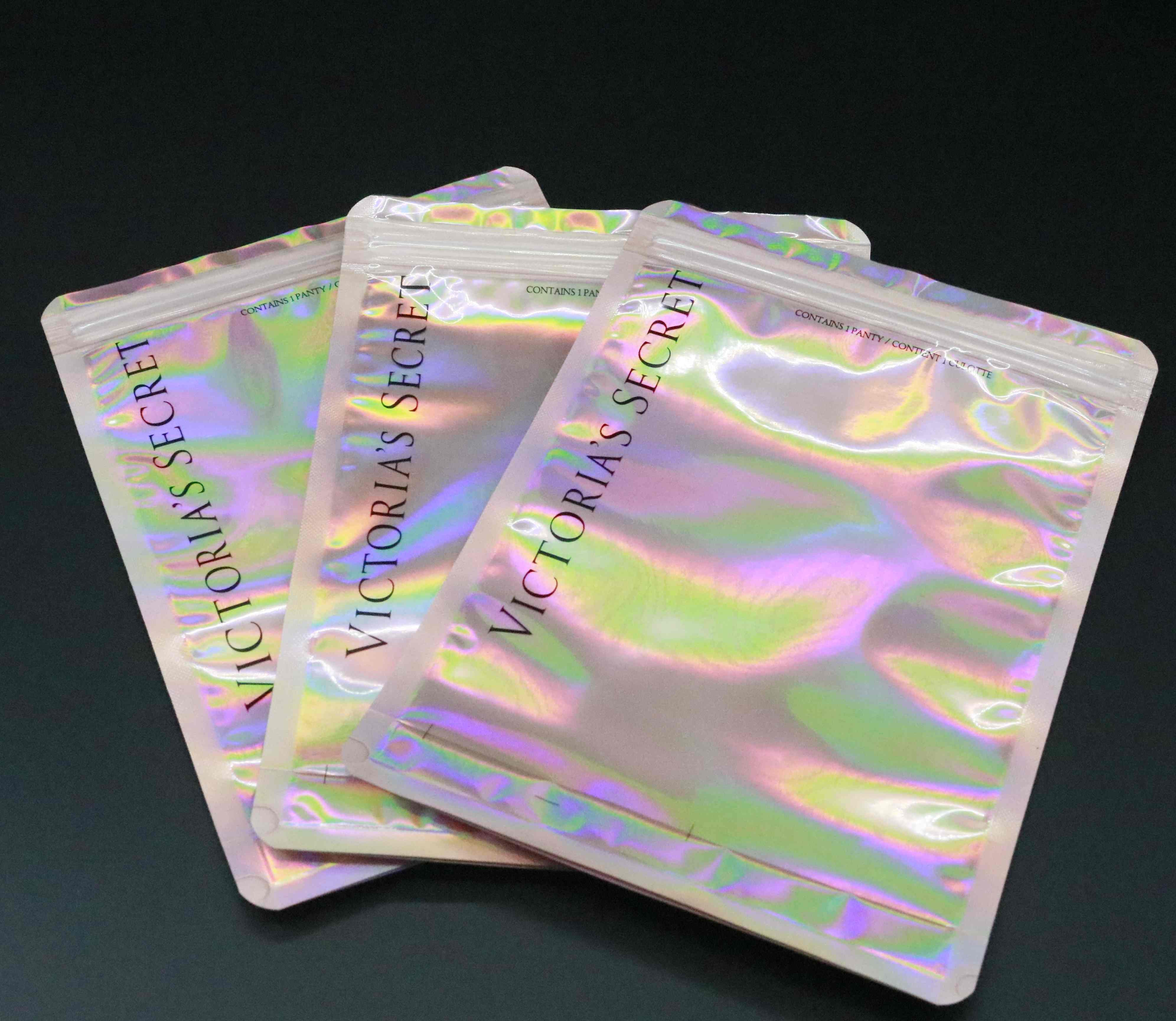
Freezer burn has long been the quiet thief of your frozen goods—stealing flavor, ruining texture, and turning that prized cut of meat into a sad, gray slab. But the days of tossing out frostbitten leftovers are over. A new wave of storage know-how and clever packaging tricks is finally putting freezer burn in its place, and it doesn’t require a fancy vacuum sealer or industrial flash freezer.
The real game-changer comes down to three things: airtight wrapping, minimal air pockets, and knowing which foods actually freeze well. Start by double-wrapping proteins in plastic wrap, then foil, or use zip-top bags with the air pressed out. For fruits and vegetables, a quick blanch before freezing locks in color and nutrients, leaving no room for those icy crystals to form on the surface.
What makes this approach feel fresh is that it treats your freezer like a pantry, not a graveyard. Label everything with dates, rotate older items to the front, and keep the temperature steady at 0°F or below. Do that, and freezer burn won’t just meet its match—it’ll wave the white flag while your meals stay as vibrant as the day you made them.
Pack Liquids Without the Leak Panic
The trick to packing liquids isn’t hoping the cap stays tight—it’s assuming it won’t. Start by unscrewing every lid, laying a small square of plastic wrap over the opening, then screwing the cap back on. That thin barrier catches drips before they ever reach the threads, and it works on shampoo, lotion, and even cooking oils.
Next, give each bottle its own sealed bag. Squeeze out the air before you zip it, then wrap the bag around the bottle so the plastic hugs the sides. If something does crack under pressure, the mess stays contained in one easy-to-rinse pouch instead of soaking into your clothes.
Finally, pack liquids upright in a spot where they won’t get crushed—usually near the bottom of your bag, against a firm side. Add a dry washcloth or a couple of socks around them for extra padding. It takes two minutes and saves you from that sinking feeling when you open your suitcase and smell coconut shampoo everywhere.
Clear Bags That Make Kitchen Clutter Disappear
The magic of clear bags lies in their ability to strip away visual chaos without hiding functionality. Instead of opaque containers that turn every shelf into a guessing game, transparent storage lets you scan contents at a glance. Spare utensils, baking supplies, or even mismatched lids slip into slim, resealable pouches that stack neatly. The kitchen feels open, almost weightless, because the eye no longer catches on bulky boxes or crumpled packaging.
Beyond aesthetics, clear bags create a surprising sense of order through uniformity. When every bag shares the same shape and sheen, the countertop or pantry starts to read as a cohesive system rather than a collection of random odds and ends. You can group items by use—one bag for tea bags, another for rubber bands, a third for takeout chopsticks—and instantly see when something is running low. This quiet efficiency turns daily cooking prep into a smoother, less frustrating ritual.
There is also a tactile satisfaction in handling these bags. The soft crinkle of the material, the satisfying zip of a secure seal, the way a full pouch settles flat into a drawer—these small sensations make tidying feel less like a chore and more like a small act of care. Because the bags are see-through, you are never rifling through layers to find the one spice you need. Clutter disappears not because it is hidden away, but because it has been given a clear, calm home.
Sandwiches Stay Crisp, Snacks Stay Put
The first time I packed a turkey sandwich in a regular container, the bread turned into a sad, damp sponge by noon. This box is different. A raised platform under the sandwich keeps it lifted above any condensation, and the lid's small vent lets steam escape instead of sealing it inside. The crust stays firm, the lettuce doesn't wilt, and the bread keeps that slight chew you want.
The snack compartments are just as thoughtful. Instead of one open space where everything slides around, the dividers have tiny ridges that grip the bottoms of crackers, berries, and cheese cubes. You can toss the box into a backpack or carry it by the top handle and nothing migrates or gets crushed. Even pretzels survive the trip with their crunch intact.
Cleaning it isn't a chore either. The insert lifts out without stubborn corners, and the whole thing goes in the dishwasher. It's the kind of lunch container that quietly fixes the little annoyances you didn't realize were ruining your midday meal.
Reusable Workhorses That Outlast the Box
Most containers get tossed once they're empty, but these are built like tools you keep on the pegboard. Think of a crate that becomes a bookshelf, a jar that turns into a planter, or a tin that organizes your desk for a decade. The material isn't the afterthought—it's the whole point. Thick glass, solid steel, dense hardwood: they shrug off dents and scratches, and the more you use them, the better they look.
What sets them apart isn't just durability, but a quiet flexibility. They don't shout for attention on a shelf; they just keep doing their job long after the product inside is gone. You might buy one for storage and end up using it as a mixing bowl, a tool caddy, or a catch-all by the front door. That kind of reuse isn't planned—it just happens because the thing is too good to throw away.
And unlike flimsy packaging that ends up in a landfill within a week, these pieces earn their space. You'll find yourself reaching for the same sturdy box five years later, not out of nostalgia, but because it still works better than anything else on the shelf. That's the real test: not whether it survives the trip home, but whether it becomes part of how you live.
FAQ
Look closely at the zipper itself. A good bag has a smooth, snag-free pull and teeth that don't separate when you tug at the seam. Thicker plastic or mesh matters too, especially if you'll reuse it. Cheaper bags often feel flimsy around the seal and cloud up fast. If the bag has a double-track closure or a reinforced bottom, it'll survive being tossed in a backpack far longer.
Only if they're labeled food-grade. Many clear pouches are made for organizing, not eating. For snacks or sandwiches, choose bags marked EVA or PEVA, and avoid anything with a strong chemical smell. Even food-safe options shouldn't go in the microwave or dishwasher unless the label says so. For dry items like crackers or trail mix, most quality clear bags work fine, but fat-heavy foods can break down the material over time.
Start with the TSA liquid limit if you fly: one quart-size clear bag for 3.4-ounce containers. For cables and chargers, a flat medium pouch around 7 by 10 inches keeps everything visible without eating luggage space. Shoes or wet swimwear need a larger garment-style bag with a sturdy zipper. If you backpack, pick slim sizes that slide into outer pockets instead of bulky cubes.
Yes, but skip the dishwasher. Turn the bag inside out, wash with warm water and a drop of mild dish soap, then rinse well. Let it air dry upside down over a bottle or cup so the corners don't trap moisture. Avoid storing tomato sauce, curry, or oily leftovers unless you're okay with permanent tinting. For odor, soak in water with baking soda for an hour.
PVC is the cheapest and stiffest, but it can off-gas a plastic smell and isn't great for food or kids. EVA is softer, clearer, and often food-safe, though it costs a bit more. PEVA is basically EVA with less odor and better flexibility, making it a solid middle ground for cosmetics and travel. For heavy-duty organizing, many people prefer PVC-free mesh or fabric-backed options because they don't crack in cold weather.
Semi-transparent mesh or woven nylon with a waterproof lining tend to last the longest. They breathe so heat doesn't build up, and you can spot a cable without dumping everything out. Look for a metal zipper pull instead of plastic, and check that the stitching at the zipper ends is reinforced. A bag with small interior pockets or elastic loops stops adapters from scratching screens.
Most do if you close them properly and don't fully submerge them for long. Check the IPX rating: IPX6 or IPX7 means it can handle splashes or brief immersion. Before a trip, put a paper towel inside, seal it, and dunk the bag in a sink for ten seconds. If the towel stays dry, you're good. Roll-top closures with a zipper backup are more reliable than zipper-only designs.
Use a large clear one as a makeshift washing bag for delicates on a trip. Fill a small pouch with bandages, antiseptic wipes, and allergy meds for a glovebox first-aid kit. Put a damp paper towel and a seedling inside a zipper bag to keep it humid while sprouting. For winter, pack a compact emergency kit with hand warmers, a lighter, and a mylar blanket. Photographers often use them to protect memory cards and filters from sand at the beach.
Conclusion
Finding a zipper bag that actually keeps air out instead of just pretending to has been a game changer in our kitchen. The best picks here aren’t all the same—some are double-seal beasts that lock in freshness for days, while others shrug off freezer burn like it’s nothing. We’ve shoved bags full of soup into the freezer, laid them flat, and come back weeks later to zero ice crystals. That’s the kind of quiet confidence you want when you’re prepping meals ahead.
And it’s not just about cold storage. These bags handle wet messes—marinades, sauces, even leftover smoothies—without a single drip on the counter. The clear ones turn a chaotic pantry into something you can actually scan in seconds, and sandwiches don’t come out soggy. After months of daily use, the heavy-duty reusable options still close tight and wash up clean, which says more than any box ever could.
Contact Us
Contact Person: Cindy Lee
Email: [email protected]
Tel/WhatsApp: 8613622669331
Website: https://www.dgkody.com