

Cleaning Furnace Recommendations Worth Considering
2026-08-20
If your furnace cleaning routine hasn’t changed in years, you’re probably leaving performance on the table. Most homeowners only swap filters and hope for the best, but the real difference comes from targeted cleaning habits that prevent breakdowns and improve air quality. THINKING-LONG has been tracking the methods that actually hold up across seasons, cutting through the noise of quick fixes. In this post, we’re sharing the cleaning furnace recommendations worth considering—practical steps that extend equipment life without the usual guesswork. Whether you’re prepping for winter or chasing lower energy bills, these insights give you a smarter starting point.
The Overlooked Signs Your Furnace Is Begging for a Cleaning
Most people only think about the furnace when it stops working, but it often sends quieter signals long before that. If the flame in the burner has shifted from a steady blue to a lazy yellow or orange flicker, that’s not just a cosmetic change—it usually means dirt and debris are interfering with proper combustion. You might also notice a faint, dusty smell when the heat first kicks on, like the scent of singed household dust that never quite goes away. A clean furnace shouldn’t fill the house with that baked-dust odor every cycle.
Another thing that gets blamed on thermostats or old age is short cycling—the furnace firing up, shutting down, then firing again within a few minutes. A clogged filter or a dirty blower wheel can cause the system to overheat and trip its own safety switch. If you’re finding more dust settling on shelves and tabletops soon after cleaning, the furnace may be recirculating particles instead of trapping them. Even a slight rise in the monthly heating bill without a colder snap outside can point to a furnace working harder than it should, often because the burners or heat exchanger are coated in grime.
Sometimes the clue is less about performance and more about what you hear and feel. A clean furnace runs with a low, steady rumble, but a dirty one might develop a rattle, a whine, or a hollow puffing sound when starting. Rooms furthest from the furnace may feel cooler than the rest of the house, not because the thermostat is wrong, but because reduced airflow from a dirty evaporator coil or blocked vents keeps warm air from reaching them. Paying attention to these small changes can catch a cleaning need before it turns into a costly repair.
Shutting Down Safely Without Skipping a Step
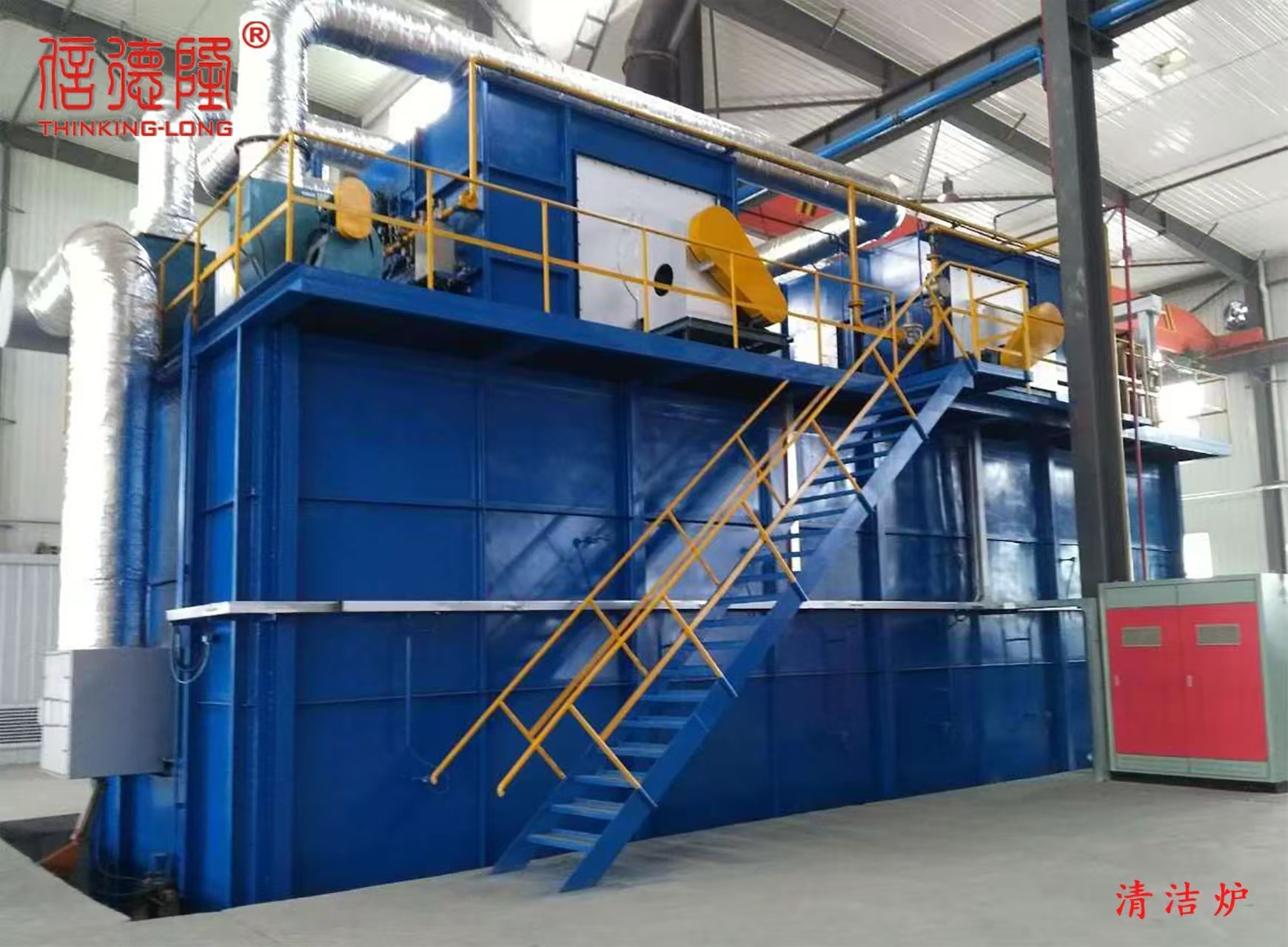
Rushing a shutdown usually starts with a small assumption—that the last valve is already closed, or that the pressure gauge has dropped far enough. In practice, those assumptions are exactly where accidents begin. A safe shutdown isn't a race; it's a sequence where each action sets up the next one. Skipping a step might save thirty seconds, but it can leave a line charged, a capacitor bank live, or a mechanical lock engaged when everyone believes the system is dead.
The order matters just as much as the actions themselves. Isolate the primary energy source first, then bleed off residual pressure or stored charge, then lock and tag the isolation points, and only then verify with a meter or gauge that the system is truly at zero. Many experienced operators still run a hand along a pipe to feel for heat, or listen for a hiss after the bleed valve is closed—not because the gauge is unreliable, but because verification is a habit, not a formality.
What gets skipped most often is the final confirmation. A worker isolates the breaker, tags it, and walks away without testing the circuit. A mechanic closes the block valve but doesn't crack the drain because the gauge already reads zero. Those gaps are where kinetic energy hides. Treat the shutdown checklist as a physical path you walk, not a memory exercise. If you can point to the lock, hear the vent, and see the needle at rest, then you've shut down safely—without skipping a step.
Everyday Tools That Reach Where Dust Likes to Hide
Dust loves tight corners, deep grooves, and the tops of things you rarely look at. A soft blush brush or a clean paintbrush works wonders on keyboard gaps, louvered closet doors, and pleated lampshades. The bristles are flexible enough to wiggle into narrow slots without scratching surfaces, and you can tap the dust out over a trash can when you're done.
An old toothbrush dipped in warm water handles the gunk around faucet bases and window tracks, while a can of compressed air blasts crumbs out from between sofa cushions and inside vents. If you wrap a microfiber cloth around a butter knife or a thin ruler, it becomes a slim duster that slides behind radiators and under heavy furniture where vacuum attachments can't fit.
The best part is these tools are probably already lying around your house. Rethink a few everyday items and you'll stop fighting dust in awkward spots—just grab what's within reach and get into those hidden corners.
How a Dirty Blower Fan Quietly Wastes Energy
A layer of dust on a blower fan doesn't just look bad—it changes how the fan moves air. As the blades get coated, their shape becomes less efficient, so the fan has to spin longer or against more resistance to push the same amount of air through the system. That extra effort shows up as a slow, steady climb in your energy bill, often without any obvious sign that something's wrong.
The real problem is that this buildup happens gradually. A fan that was once balanced and smooth starts to vibrate slightly, which wears out bearings and puts more load on the motor. Over time, the motor draws more current to overcome the friction and the poor airflow. You won't hear a loud grinding noise or see a warning light—just a subtle drop in performance and a quiet rise in kilowatt-hours.
In many cases, the fan is tucked inside an air handler, condenser unit, or exhaust system where nobody checks it until something breaks. By then, months of wasted energy have already added up. Cleaning the blades and housing every few months is a simple fix, but because the loss is silent, it often gets overlooked until the bill forces attention.
Natural Solutions for Stubborn Soot and Grime
White vinegar and baking soda, both pantry staples, work wonders on stubborn soot and greasy buildup. Mix equal parts warm water and white vinegar in a spray bottle, mist it over stovetops or tile surfaces, and let it sit for a few minutes so the acid can loosen carbon deposits. Wipe with a damp microfiber cloth. For thick gunk on range hood filters, sprinkle dry baking soda over the surface, then drizzle a little vinegar on top. The fizzing reaction reaches into crevices—after ten minutes, scrub with an old toothbrush and rinse clean.
Lemon juice brings citric acid that shines on metal surfaces touched by soot. Cut a lemon in half and rub it directly over copper or chrome fittings, or steep lemon peels in white vinegar for a week, strain, and use the liquid as a fresh-smelling degreaser. For charred residue inside an oven, sprinkle salt onto a halved lemon and scrub with the flesh side. The salt provides gentle abrasion while the acid breaks down oils—it outperforms many chemical sprays without harsh fumes.
Tough grime often needs softening first. Soak an old towel in hot water mixed with a few drops of natural dish soap, wring it until just damp, and lay it over heavily soiled areas. The steam and soap work together; after twenty minutes, peel the towel away and most soot will come with it. Follow with a damp cloth, then buff dry to avoid water spots on stainless steel. For any lingering specks, dip a wine cork in a little olive oil and rub gently—it lifts marks and leaves a protective sheen.
Mistakes That Turn a Simple Cleaning Into a Costly Repair
A quick wipe-down with the wrong product can etch natural stone countertops in seconds, turning a routine kitchen cleanup into a multi-thousand-dollar resurfacing job. Many homeowners grab whatever spray bottle is under the sink, not realizing that acidic cleaners like vinegar or lemon-based formulas slowly eat away at granite, marble, and limestone. Once the sealant breaks down, the stone becomes porous and stains soak in permanently. The repair bill stings far more than the cost of a pH-neutral stone cleaner.
Another common slip happens when people flood floors with water or leave damp mops to air-dry. Hardwood planks swell, cup, and start creaking within weeks. Laminate edges peel, and grout lines in tile collect grimy water that seeps behind walls. A five-minute mop session can lead to subfloor replacement if moisture reaches the underlayment. The fix? Use a barely damp microfiber mop and dry the surface with a clean cloth right after washing.
Even something as simple as dusting electronics with a feather duster pushes fine particles deeper into vents and ports. Compressed air used at the wrong angle drives debris further inside, causing overheating and eventual motherboard failure. A soft brush and low-suction vacuum attachment do a safer job. Before you scrub, scrape, or spray, ask whether the tool in your hand belongs on that surface. Otherwise, you might be scheduling a service call instead of admiring a freshly cleaned room.
FAQ
Most HVAC technicians suggest once a year, ideally before the heating season starts. Homes with pets, heavy carpeting, or nearby construction may need twice yearly. The real goal is to remove buildup from burners and blower before airflow or efficiency drops.
You can handle basic upkeep like replacing the filter, wiping down the exterior, and keeping vents clear. But cleaning the blower wheel, heat exchanger, and burner assembly takes specific tools and safety know-how. A technician can also spot hairline cracks or carbon monoxide risks during the service.
Uneven heating, short cycling, higher energy bills without a change in weather, dust around supply vents, or a faint burning smell at startup are all warnings. If airflow from registers feels weak, the blower may be clogged and overdue for attention.
A thorough visit usually includes vacuuming the burner and blower compartments, cleaning the flame sensor, inspecting the heat exchanger, checking gas pressure, lubricating the motor if needed, testing safety controls, and installing or recommending a fresh filter. Some technicians also inspect duct connections.
Yes. Avoid water or harsh chemical sprays near electrical components and gas valves. Do not use a standard household vacuum for fine soot; a HEPA shop vacuum is safer. Never scrub a hot surface igniter with abrasive pads, as that can ruin it. A soft cloth or a professional touch is better.
It can, especially if ducts are heavily lined with dust, pet hair, or renovation debris. A clean furnace connected to dirty ducts will still push particles into living spaces. Duct cleaning is not necessary every year, but it is worth inspecting if allergies worsen or airflow stays poor.
Change the filter every one to three months, keep the area around the furnace clear of boxes and clutter, vacuum return air grilles regularly, and avoid storing paint or cleaning chemicals near the unit. Running the fan for a few minutes daily also helps keep air moving and reduces dust settling.
If the furnace is over 15 years old and has needed frequent repairs, replacement may save more over time. But if the heat exchanger is sound and the unit runs reliably, a deep cleaning can buy extra years. A technician can give an honest assessment after inspecting the interior.
Conclusion
Most homeowners only think about the furnace when it stops working, but the warning signs are often there long before a breakdown. A flame that flickers yellow instead of steady blue, a faint musty smell when the heat kicks on, or rooms that never seem to warm evenly can all point to a layer of dust and debris choking the system. Before reaching for any tools, shut the unit down completely and cut the power or gas supply—skipping that step is how minor cleanings turn into emergency calls. Once it’s safe, a vacuum with a narrow hose attachment, a soft bristle brush, and a can of compressed air can get into the tight spots where dust collects along the blower fan and burners. That buildup isn’t just unsightly; a dirty blower wheel has to spin harder to move the same amount of air, quietly driving up energy use month after month.
For the stubborn soot and greasy film that ordinary dusting won’t touch, a paste of baking soda and white vinegar left to sit for a few minutes often works better than harsh chemical sprays, and it won’t leave behind fumes that circulate through the house. The real cost, though, comes from small mistakes made in a hurry: using too much water near electrical connections, forcing a brush into delicate fins, or reassembling panels incorrectly. These missteps can crack a heat exchanger or damage the blower motor, turning what should be a simple afternoon job into a repair bill that outweighs any savings from skipping professional help. A careful cleaning routine based on these practical recommendations keeps the furnace running smoothly and avoids the hidden traps that catch even experienced DIYers.
Contact Us
Contact Person: Qian Xijun
Email: [email protected]
Tel/WhatsApp: 8613961736750
Website: https://www.thinkinglong.com/