

Copper Pipe Factories: Discovering Modern Manufacturing Excellence
2026-03-31
Welcome to the world of modern manufacturing, where innovation meets precision in the production of essential materials like copper pipes. In this blog, we embark on a journey to explore the excellence behind these factories, uncovering the cutting-edge techniques and sustainable practices that define today's industry. As a leader in this field, Jiangsu Baowu New Materials exemplifies this commitment to quality and advancement. Get ready to dive deeper into how these facilities are shaping the future of infrastructure and technology, sparking curiosity about the unseen processes that power our daily lives.
Innovative Production Techniques in Copper Pipe Manufacturing
Innovative production techniques in copper pipe manufacturing have revolutionized the industry, moving beyond traditional methods to enhance efficiency, durability, and sustainability. One standout innovation is the use of continuous casting processes, which allow for the seamless creation of long lengths of copper pipe with minimal waste. This technique involves pouring molten copper into a mold that cools and solidifies the material into a consistent shape, eliminating the need for frequent joints and reducing the risk of leaks. By integrating advanced cooling systems and precision control, manufacturers can produce pipes with superior surface finishes and tighter tolerances, making them ideal for demanding applications in plumbing, HVAC, and refrigeration systems. This shift not only boosts productivity but also contributes to energy savings and lower environmental impact, showcasing how modern engineering transforms raw materials into reliable infrastructure components.
Another cutting-edge advancement is the adoption of ultrasonic testing and laser-guided forming technologies, which ensure unparalleled quality and precision in copper pipe production. Ultrasonic testing involves sending high-frequency sound waves through the pipes to detect internal flaws like cracks or inclusions without damaging the material, enabling real-time inspection and immediate correction of defects. Meanwhile, laser-guided forming systems use computer-controlled lasers to shape and bend copper pipes with exacting accuracy, allowing for complex geometries and custom fittings that meet specific project requirements. These techniques not only enhance the structural integrity of the pipes but also reduce material waste and labor costs, empowering manufacturers to deliver products that excel in performance and longevity. As a result, industries benefit from copper pipes that withstand high pressures and corrosive environments, supporting safer and more efficient operations in diverse settings from residential homes to industrial plants.
Emerging trends such as additive manufacturing and eco-friendly coating methods are further pushing the boundaries of copper pipe innovation, offering tailored solutions and improved environmental stewardship. Additive manufacturing, or 3D printing, enables the creation of custom copper pipe components with intricate designs and reduced material usage, facilitating rapid prototyping and on-demand production for niche applications. Additionally, the development of non-toxic, anti-microbial coatings enhances the pipes' resistance to bacteria and corrosion, extending their lifespan and promoting healthier water systems. These advancements reflect a growing focus on sustainability and adaptability, allowing manufacturers to respond to evolving market demands while minimizing their ecological footprint. By embracing these innovative techniques, the copper pipe industry continues to evolve, delivering products that are not only high-performing but also aligned with global efforts toward greener and more resilient infrastructure.
Advanced Quality Control Systems for Superior Copper Output
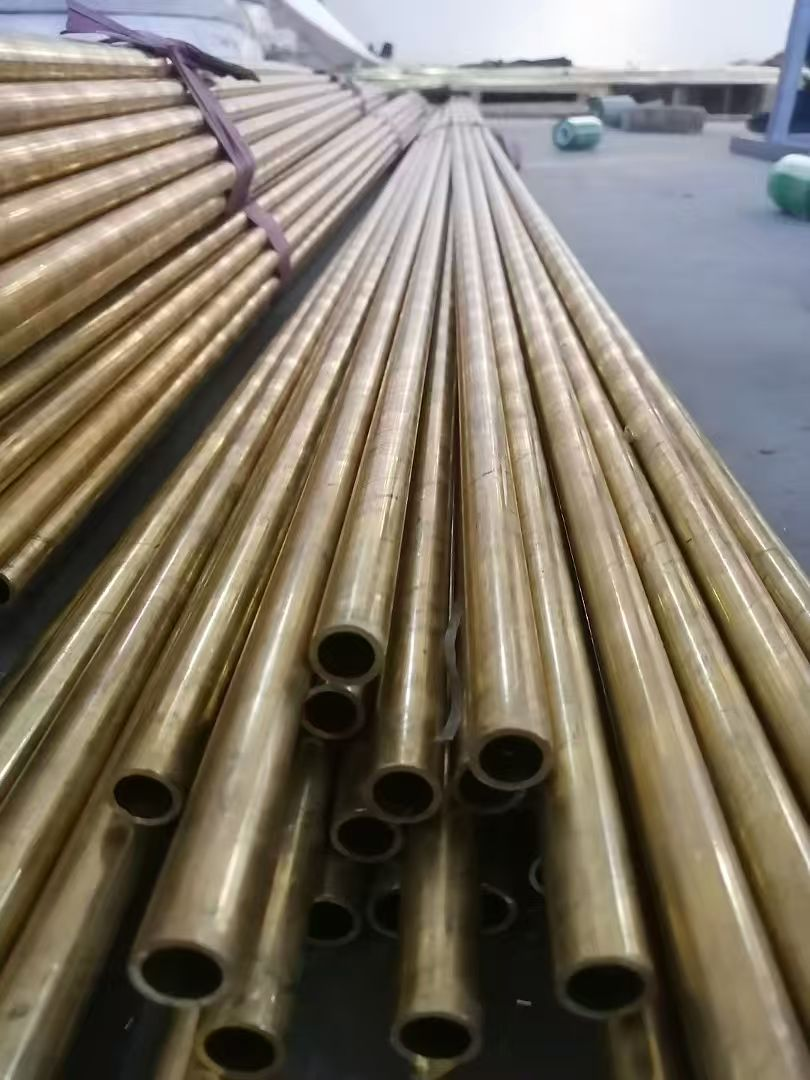
To achieve industry-leading copper output, manufacturers must implement advanced quality control systems that go beyond traditional inspection methods. These systems integrate cutting-edge technologies like real-time spectral analysis and automated defect detection, enabling continuous monitoring of copper purity and structural integrity throughout the production process. By leveraging data-driven insights, companies can swiftly identify deviations, adjust parameters on the fly, and maintain stringent standards that minimize waste while maximizing yield.
What sets these advanced systems apart is their ability to adapt to varying ore compositions and environmental factors, ensuring consistent quality even under challenging conditions. For instance, AI-powered algorithms can predict potential flaws before they manifest, allowing for proactive adjustments rather than reactive fixes. This not only enhances the final product's performance in applications like electrical wiring or industrial machinery but also boosts operational efficiency by reducing downtime and resource consumption.
In practice, adopting such sophisticated control mechanisms translates to tangible benefits for end-users, such as improved conductivity, corrosion resistance, and durability of copper-based products. By prioritizing innovation in quality assurance, producers can secure a competitive edge, delivering copper that meets or exceeds global benchmarks for excellence in an increasingly demanding market.
Sustainability Practices in Modern Copper Pipe Factories
In today's copper pipe manufacturing, sustainability isn't just a buzzword—it's woven into every stage of production. Modern factories are pioneering closed-loop water systems that slash water usage by over 80% compared to traditional methods, while advanced filtration ensures that any wastewater released meets or exceeds environmental standards. They've also swapped out energy-guzzling equipment for high-efficiency electric furnaces and induction heaters, cutting down carbon footprints significantly. On the scrap front, nearly all copper offcuts get melted down and reused, making waste a rarity rather than a routine.
Beyond the factory walls, these plants are rethinking their entire supply chain to minimize environmental impact. Many now source copper exclusively from certified mines that adhere to strict ecological and social guidelines, ensuring raw materials are responsibly extracted. They've also optimized logistics by using electric or hybrid transport for local deliveries and consolidating shipments to reduce fuel consumption. Some even partner with local communities to plant trees or restore habitats, turning sustainability into a collaborative effort that benefits both the business and its surroundings.
Innovation plays a key role, with factories investing in smart technologies like IoT sensors to monitor energy use in real-time, allowing for tweaks that prevent unnecessary waste. Employees are trained in green practices, from proper waste sorting to energy conservation, fostering a culture where sustainability is everyone's job. These efforts not only help the planet but also boost efficiency and appeal to eco-conscious customers, proving that going green can be a win-win for industry and environment alike.
Exploring Cutting-Edge Technologies in Copper Pipe Fabrication
Copper pipe fabrication is witnessing a transformative shift with the adoption of advanced technologies that enhance precision and efficiency. Innovations such as laser cutting systems now allow for intricate designs and tailored components with minimal waste, while robotic welding ensures consistent, high-quality joints even in complex configurations. These methods not only speed up production but also reduce human error, leading to more reliable plumbing systems in residential and commercial applications.
Another frontier in this field is the integration of smart sensors and IoT devices into the fabrication process. Real-time monitoring of parameters like temperature and pressure during manufacturing enables immediate adjustments, optimizing performance and longevity. This tech-driven approach helps fabricators produce pipes that are not only durable but also adaptable to modern smart buildings, where seamless connectivity and data flow are increasingly crucial.
Sustainability is also at the forefront, with developments in additive manufacturing and 3D printing enabling custom copper pipe designs using recycled materials. These techniques minimize environmental impact by cutting down on scrap and energy usage, aligning with green building standards. As a result, the industry is seeing more eco-friendly solutions that meet strict regulations without compromising on quality or functionality.
Optimizing Efficiency Through Automated Assembly Processes
In today's fast-paced manufacturing environments, automated assembly processes are becoming a game-changer by streamlining production lines and reducing human error. By integrating robotics and smart machinery, companies can achieve consistent output speeds that manual labor simply can't match, leading to significant time savings and higher product quality.
Beyond just speeding up tasks, automation allows for real-time monitoring and data analytics, enabling factories to pinpoint bottlenecks and adjust workflows dynamically. This adaptability means less downtime and more agile responses to market demands, fostering a culture of continuous improvement rather than static operations.
Moreover, automated systems often come with built-in safety features that minimize workplace hazards, creating a safer environment for employees while boosting overall operational efficiency. As industries evolve, these technologies not only cut costs but also open doors to innovative product designs that were previously impractical to assemble manually.
Global Standards and Applications of High-Grade Copper Pipes
High-grade copper pipes are essential components in various industries worldwide, with global standards playing a pivotal role in ensuring their quality and safety. Organizations like the International Organization for Standardization (ISO) and the American Society for Testing and Materials (ASTM) set rigorous benchmarks for manufacturing processes, material composition, and performance characteristics. These standards cover aspects such as alloy purity, dimensional tolerances, and corrosion resistance, helping maintain consistency and reliability across global markets.
The applications of high-grade copper pipes are diverse and critical, spanning plumbing systems, HVAC installations, and industrial machinery. In residential and commercial buildings, they are preferred for potable water lines due to their durability and hygienic properties. In heating and cooling systems, copper pipes efficiently transfer fluids while withstanding thermal stress. Additionally, industries like chemical processing and power generation rely on these pipes for their resistance to high pressures and harsh environments, underscoring their versatility and indispensability.
Innovations in copper pipe technology are driving new applications and enhancing global standards. For instance, advancements in production techniques have led to improved bendability and reduced installation costs, making them more accessible for large-scale projects. Environmental considerations are also shaping standards, with a focus on recyclability and energy efficiency. As demand grows in sectors like renewable energy and smart infrastructure, high-grade copper pipes are poised to play an even greater role in sustainable development worldwide.
FAQ
Copper pipe factories showcase excellence through advanced technologies, sustainable practices, and strict quality control, ensuring reliable and durable products.
They've integrated automation and precision engineering, leading to efficient production lines and reduced environmental impact.
Innovations like smart sensors for real-time monitoring and eco-friendly recycling processes are driving significant improvements.
Sustainability is central, with many factories adopting energy-efficient methods and using recycled copper to minimize waste and emissions.
They implement rigorous testing protocols and adhere to international standards, ensuring pipes meet high-performance criteria.
Investments boost efficiency and innovation, creating job opportunities and supporting long-term growth in related industries.
They provide essential materials with enhanced corrosion resistance and flexibility, crucial for plumbing, HVAC systems, and industrial applications.
Conclusion
Modern copper pipe manufacturing is revolutionizing the industry through innovative production techniques and cutting-edge technologies. By integrating advanced automation and automated assembly processes, factories optimize efficiency, significantly boosting output while maintaining precision. These methods include state-of-the-art fabrication approaches that reduce waste and enhance durability, ensuring high-grade copper pipes meet stringent global standards. Such advancements not only streamline operations but also cater to diverse applications worldwide, from plumbing to industrial uses, showcasing a commitment to excellence in every pipe produced.
Quality control systems play a crucial role in achieving superior output, with rigorous checks that ensure consistency and reliability. Sustainability practices are increasingly embedded in modern factories, focusing on eco-friendly materials and energy-efficient processes to minimize environmental impact. This holistic approach combines technological advances with ethical manufacturing, demonstrating how copper pipe factories lead in both innovation and responsibility. By blending these elements, they deliver products that are durable, versatile, and aligned with modern demands, setting new benchmarks in manufacturing excellence.
Contact Us
Contact Person: Zoe Liang
Email: [email protected]
Tel/WhatsApp: 86 189 2128 6299
Website: https://www.baowuchina.com