
Custom Non Woven Shopping Bag Ideas for Eco-Friendly Branding
2026-09-10
Sustainable branding isn’t just about what you sell—it’s about what your customers carry home. Custom non woven shopping bags have quietly replaced flimsy plastic totes, and with the right design, they do double duty as eco-statements and walking ads. Here are some unexpected ways to make yours unforgettable, with a little help from CHALLENGE WOLVES.
Make Your Brand Part of the Weekly Grocery Run
Think about the last time you wandered the aisles. Your product isn't just sitting on a shelf; it's competing with habits, tired feet, and a list that was written in a hurry. To become part of that weekly ritual, stop selling a product and start solving the small moments: the dinner that needs to happen in twenty minutes, the lunchbox that can't come home untouched, the snack that buys five quiet minutes in the car.
Packaging does more than catch the eye. It has to fit the rhythm of the trip. Easy-open seals for one-handed shopping, freezer-safe portions that stretch across several meals, a label that reads clearly even when someone is pushing a cart with a toddler attached. These aren't features; they're quiet promises that your brand understands the chaos of a real kitchen.
Consistency is the real loyalty card. If you show up every week at the same endcap with the same reliable size and the same dependable taste, you stop being a choice and start being a habit. That's when your brand gets written on the list without a second thought—not because of a discount, but because the week would feel off without it.
Go Beyond Logos with Patterns That Tell a Sustainability Story
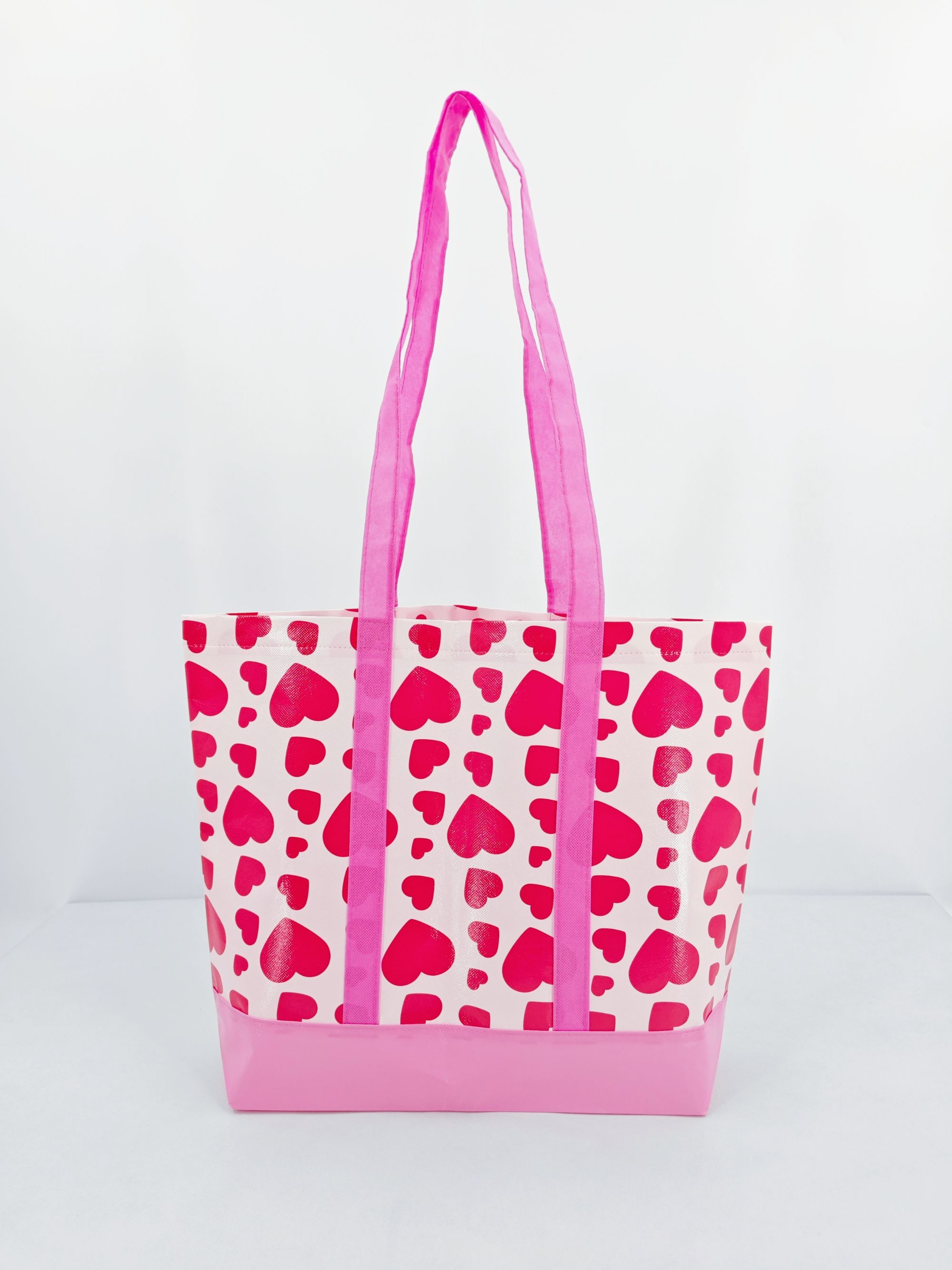
A logo can name a company, but it rarely shows how that company thinks. Patterns carry more of that weight. When a repeat motif borrows from recycled paper grain, mycelium growth, or the way wind moves through a restored meadow, it turns an abstract promise into something people can almost touch. Suddenly the brand feels less like a badge and more like a place with its own weather.
The best sustainability patterns don't shout. They use rhythm to suggest cycles: panels that shift like tidal charts, weave structures that echo reclaimed plastic bales, botanical grids drawn from pollinator corridors. These motifs work across packaging liners, fabric swatches, and storefront screens, giving every surface a quiet continuity. Customers may not name what they're seeing, but they register the care.
Designers who make this leap start by asking what the brand actually handles, grows, or repairs. From there, a pattern is less decoration and more testimony. Even a simple dot grid can say "solar array" if the spacing is honest. That shift from ornament to evidence is what separates a forgettable green rebrand from one that sticks.
Create Limited-Run Bags That Encourage Collecting
Releasing bags in tightly controlled batches changes how customers see them. A limited run of 200 numbered pieces, each with a small engraved serial on the inner pocket, gives people a reason to follow your next drop instead of waiting for a sale. It turns a practical item into a small event.
Seasonal colorways and artist collaborations work best when they disappear for good. Retire the pattern after the run ends—no restocks, no encore. Customers who hesitated will remember that feeling, and next time they will not wait. Pair each release with a short note about the materials or the inspiration, which makes the bag feel collected rather than just purchased.
Finally, build a simple archive page on your own site where sold-out runs stay visible. Label them as retired, with the original release date and the number made. This gives newcomers a sense that they are late to something worth following, and it rewards longtime buyers who already own an early piece.
Team Up with Local Artists for One-of-a-Kind Reusable Totes
When a brand decides to team up with local artists for reusable totes, the result isn't just a bag—it's a walking gallery that carries a neighborhood's heartbeat. Each design begins with a conversation over coffee or a studio visit, where artists sketch from their daily surroundings: a corner bodega's hand-painted sign, the rhythm of a subway platform, or the stubborn weeds pushing through sidewalk cracks. These aren't mass-produced graphics stamped onto canvas; they're intimate, sometimes imperfect prints that shift slightly from one tote to the next, making every piece feel like a small edition rather than a commodity.
The collaboration itself often becomes a quiet act of place-keeping. A screen printer in the same zip code mixes inks by hand, while a neighborhood seamstress reinforces the straps—decisions that keep money and skill circulating locally. The totes then surface at weekend farmers markets or indie bookshops, where the artist might be the one handing you the bag, explaining how a particular color was pulled from a mural on the next block. That direct link between maker and user turns a simple errand into a story worth retelling, and the bag's smudges and faded corners become a record of actual use rather than planned obsolescence.
Beyond the practical appeal, these limited runs challenge the sameness of generic swag. A tote born from a local artist's eye might feature a strange bird only found in a nearby park, or lettering that mimics the slant of old storefront awnings. Because the quantities are small and the designs shift with each season or neighborhood festival, carrying one feels like holding a fragment of a specific time and place. In that way, the tote stops being a mere carrier of groceries and starts acting as a low-key ambassador—one that invites a stranger to ask, "Where did you get that?" and opens the door to a conversation about the people who shaped it.
Add Foldable Features That Fit in Pockets and Purses
True portability isn't just about being thin. It's about folding down to a size that actually disappears into a front pocket or a small purse without creating an awkward bulge. The best foldable designs pay attention to the folded thickness, the way the mechanism locks shut, and how the device feels when you unfold it day after day.
Think of sunglasses that fold into a case no bigger than a lighter, or a keyboard that rolls up to the diameter of a pen. The folding mechanism has to be intuitive and durable: it shouldn't spring open by accident in your bag, and it shouldn't feel flimsy when extended. Materials matter here—soft hinges, magnetic closures, or reinforced crease points can make the difference between something you'll actually carry and something left on a desk.
Before adding a foldable feature, test it in real scenarios. Does it fit in the front pocket of jeans? Can you sit down without it digging into your hip? Does it survive being tossed into a tote with keys and coins? If the folded form still feels like a compromise, then it's not a true pocket-friendly design—it's just a smaller version of the same problem.
Let Customers Vote on the Next Bag Design
Giving your audience a direct say in your next bag design does more than generate excitement—it builds a sense of ownership that transforms casual followers into invested brand advocates. Instead of guessing what might resonate, you tap into real preferences, from color blocking and hardware finishes to strap length and pocket placement. This feedback loop helps you avoid overproducing styles that miss the mark while giving your community a reason to stay engaged between launches.
A voting campaign can be as simple as a poll on social media or as layered as a dedicated landing page where customers rank multiple mockups. To keep it meaningful, limit the options to a curated set you’re actually willing to produce, and be transparent about how the winning design will come to life. Sharing behind-the-scenes sketches, material swatches, and even rough prototypes makes the process feel collaborative rather than purely promotional.
Once the votes are in, keep the momentum going by naming the bag in a way that acknowledges the community’s role, and consider giving early access or a small discount to everyone who participated. This approach doesn’t just launch a product—it creates a story your customers helped write, which naturally leads to stronger word-of-mouth and a more loyal following.
FAQ
They're lightweight but tough, reusable for years, and made from polypropylene fibers that can be recycled. Customers keep them around, which means your logo travels far beyond the checkout.
Yes, if you design them for real routines. Add a reinforced bottom, longer handles, and a foldable structure so they fit in a purse or glove box. The more convenient they are, the more people reach for them instead of plastic.
Try full-bleed botanical prints, playful line drawings of local landmarks, or a subtle woven texture effect. Minimal text like “Carry Change” or “Reuse the Ritual” can create curiosity without shouting.
Earth tones like moss, clay, and oat give an organic feel, while bright accents on natural backgrounds can signal energy and optimism. Avoid neon-heavy palettes if you want the bag to read as sustainable rather than promotional.
Farmers markets do well with wide, shallow totes for produce. Boutiques might prefer tall, slim bags for clothing. Coffee shops can use small gusseted bags that hold two cups and a pastry, encouraging repeat use.
Double-stitch the handles, use a heavier GSM fabric, and add a laminated inner layer for spills. These details extend the bag's life, which is the core of sustainability.
Let the design do the talking. Use a simple line like “Made to be reused” on the inside seam or a small icon of a leaf next to your logo. Humor also works: “This bag has seen things. Mostly groceries.”
Don't skimp on handle length, don't print with low-contrast colors that fade after a few washes, and don't order a one-size-fits-all shape. Testing a sample with real daily use can save you from boxes of bags nobody wants to carry.
Conclusion
A plain tote with a stamped logo rarely earns a second glance, but a bag designed around daily habits can turn your brand into a quiet, useful presence. Imagine your non woven shopping bag folded into a coat pocket or tucked beside a wallet, ready for the Wednesday grocery trip. When the bag feels like a small tool rather than free merch, people reach for it again and again. That repetition matters more than a thousand impressions. To deepen the connection, skip the giant logo and commission patterns that hint at recycled materials, ocean plastics, or local flora. A subtle repeating motif can say more about your environmental values than any tagline. Limited seasonal runs add another layer; when a new pattern drops every few months, some customers start treating the bags like collectibles. Pair that with a rotating series by local artists who draw on neighborhood landmarks or native wildlife, and you create a product that feels rooted in a place, not mass-produced in a distant factory.
The smartest custom non woven bag ideas also let the audience shape the outcome. Instead of guessing what people want, run a simple poll on social media or in-store asking which sketch should become the next bag. The winning design feels partly theirs, which makes them far more likely to carry it around town. Foldable features seal the deal: no one wants another bulky sack crumpled in the trunk. A bag that compresses into its own small pouch slips into a handbag or glove box, ready whenever the checkout line appears. That convenience, combined with artwork people actually talk about, turns an inexpensive giveaway into a walking conversation starter. Over time, your brand stops being the logo someone ignores and becomes the bag they deliberately grab before leaving the house.
Contact Us
Contact Person: Tony
Email: [email protected]
Tel/WhatsApp: +8615859766913
Website: https://www.cw-pak.com