

Fine Chemicals CDMO: Accelerating Drug Development from Concept to Commercialization
2026-07-31
Taking a promising molecule from lab bench to pharmacy shelf is a race against time—and chemistry. Fine chemicals CDMOs are rewriting the rules of that race, turning complex syntheses into streamlined pathways. At DSL Chemicals, we don't just scale reactions; we fast-track the journey from first-in-class concepts to commercial reality. What if your molecule could skip the scale-up headaches and go straight to the patients who need it? Let's explore how integrated CDMO expertise is making that possible.
The Unseen Engine of Drug Commercialization
Behind every blockbuster drug lies a quiet machinery that rarely makes headlines. This unseen engine is not the molecule itself, but the dense network of market access strategists, health economists, and patient advocacy coordinators who translate clinical promise into commercial reality. Long before a therapy reaches regulators, these teams are already mapping payer landscapes, modeling value propositions, and seeding the evidence that will justify a premium price. Their work is iterative, often invisible, yet it determines whether a life-saving innovation reaches a single patient or millions.
The process often begins with reverse engineering: identifying the unmet need not just in biological terms, but in economic and humanistic ones. How much is a caregiver’s lost productivity worth? What is the societal burden of a three-month delay in diagnosis? These questions drive the early design of observational studies, patient-reported outcome instruments, and budget impact models that later become the backbone of reimbursement dossiers. Unlike the linear narrative of clinical trials, this work unfolds in messy, parallel streams, constantly adapting to shifts in pricing regulations, competitor movements, and evolving standards of care.
Perhaps the most undervalued element is the orchestration of cross-functional expertise. Medical affairs teams must bridge the gap between R&D and commercial without selling, while field-based health outcomes liaisons gather real-world insights that reshape value stories. In smaller biotech firms, a single person might wear all these hats, scrambling to build an ad board deck while negotiating with a payer advisory panel. It’s a role that demands not just analytical rigor, but a kind of diplomatic creativity—crafting compelling narratives that align the interests of patients, providers, and payers, all before the first prescription is ever written.
Where Synthetic Challenges Meet Scalable Solutions
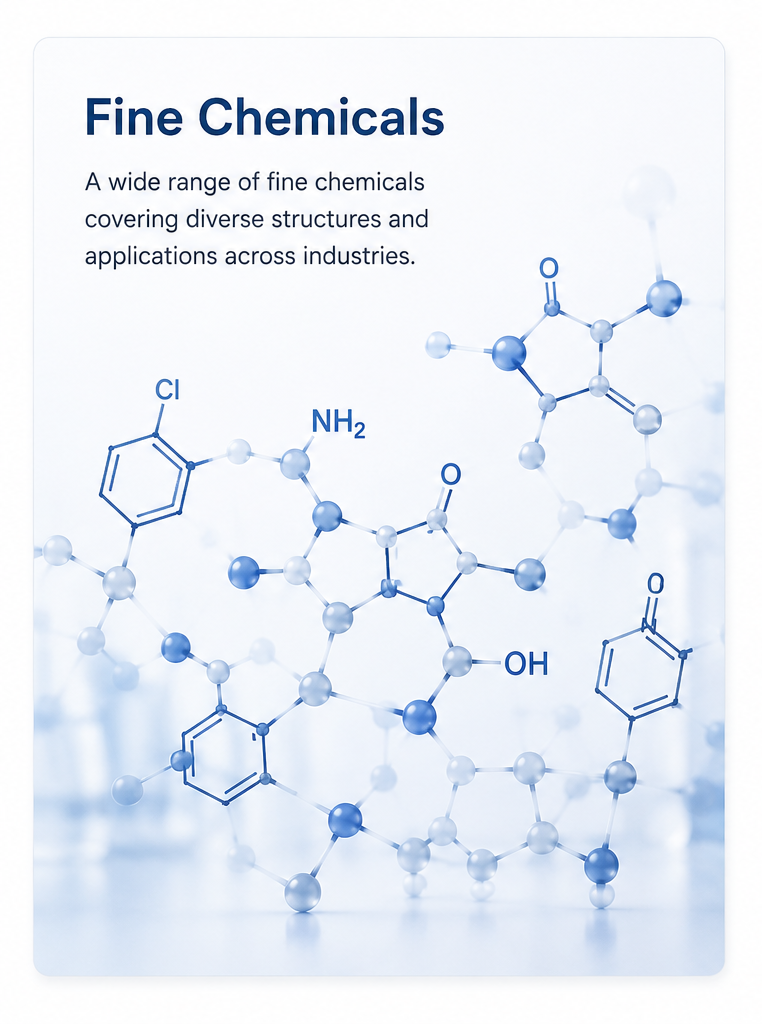
In the rapidly evolving landscape of synthetic data and artificial intelligence, the obstacles we face are becoming increasingly complex—from data diversity gaps to model drift. These aren't just technical hurdles; they represent fundamental questions about reliability and fairness in automated systems. But within each challenge lies an opportunity for innovation. When we reframe synthetic challenges as design constraints, we unlock pathways to solutions that don't just patch problems but fundamentally rethink how systems learn and adapt.
Scalability is the real test of any solution in this space. It's not enough for a method to work in a controlled lab setting; it must gracefully handle petabytes of dynamic data, edge cases that no one predicted, and deployment environments that evolve by the hour. The intersection of synthetic challenges and scalable solutions is where theory meets practice—where elegant algorithms are pressure-tested against the messiness of the real world, and where the architectures of tomorrow are forged in the crucible of today's constraints.
What makes this convergence so compelling is that it demands a multi-disciplinary mindset. The most successful approaches borrow from distributed systems, behavioral psychology, and even game theory to create synthetic data pipelines that are not only robust but also self-healing. By embracing complexity rather than fearing it, we can build solutions that grow smarter with use, turning every synthetic challenge into a stepping stone toward systems that are both resilient and remarkably scalable.
Fast-Tracking the Journey from Molecule to Medicine
In modern drug development, the leap from a promising molecule to an approved therapy demands more than just scientific rigor—it requires a seamless fusion of strategy, technology, and cross-disciplinary collaboration. Rather than plodding through linear stages, teams now orchestrate parallel workflows, compress timelines by integrating early-stage safety assessments, and leverage adaptive clinical designs that evolve with emerging data. This intentional acceleration doesn't merely shortcut processes; it reimagines the entire trajectory, ensuring that breakthroughs reach patients without the lag that traditional pipelines often impose.
A pivotal element in this acceleration is the smart convergence of computational power and biological insight. Machine learning models, trained on vast libraries of molecular interactions, can now forecast toxicity and efficacy long before a compound enters the lab, while advanced analytics refine patient stratification in real time. These digital tools don't replace human judgment—they amplify it, turning guesswork into guided decision-making and letting researchers focus on the most viable candidates earlier. The result is a leaner path where resources are concentrated on molecules with a genuine shot at clinical impact.
Yet speed without precision is a hollow victory. The accelerating journey hinges on feedback loops that catch flaws early—failures that are then seen not as setbacks but as course corrections. By embedding learnings from each phase directly into the next, teams pivot rapidly, shedding assumptions that don't hold up under real-world conditions. This dynamic approach reshapes the risk profile, making the process not just faster but smarter, and ultimately delivering therapies that are both timely and robust.
Precision Manufacturing for Life-Saving Therapies
In the world of advanced therapies, every micron matters. Precision manufacturing isn't just about hitting tight tolerances—it's about creating components that perform flawlessly inside the human body. From drug delivery devices to implantable sensors, these parts require a level of exactitude that leaves zero room for error. A deviation invisible to the naked eye can mean the difference between a therapy that saves a life and one that fails.
We work at the intersection of engineering and biology, where materials must be biocompatible, surfaces must resist contamination, and assembly often happens in cleanrooms that rival surgical suites. The process demands more than standard CNC machining; it calls for specialized techniques like micro-molding, laser welding, and electrochemical etching. Each method is chosen not for speed but for its ability to preserve the delicate features that make a component functional—and safe.
Traceability is equally critical. Every component we produce carries a digital record from raw material to final inspection, ensuring that if something ever goes wrong, we can pinpoint where and why. This isn't about paperwork; it's about accountability. When a patient depends on a device manufactured months earlier, having that chain of trust is what keeps them alive. That's the real measure of precision: lives unchanged by what we build.
Collaborative Chemistry: Your Blueprint to Market
True innovation rarely happens in isolation. It’s born when diverse minds, skills, and experiences collide—much like reactive elements in a lab. This is collaborative chemistry: the deliberate blending of perspectives to ignite ideas that no single person could spark alone. When you treat partnership as a catalyst rather than a convenience, you transform the way your team approaches challenges, turning raw concepts into refined solutions ready for the market.
Your blueprint to market isn’t a static document—it’s a living process shaped by continuous interaction. Every conversation, shared prototype, and joint problem-solving session adds a layer of insight. The magic happens when you stop guarding knowledge and start mixing it. Suddenly, bottlenecks dissolve, blind spots get illuminated, and strategies become sharper. That’s the compound effect of collaborative chemistry: small inputs, combined intentionally, produce exponential outcomes.
Don’t mistake collaboration for consensus. Healthy friction is part of the formula—different viewpoints heat up discussions, but that energy fuels breakthroughs. To build a reliable blueprint, you need to cultivate environments where disagreement is safe and curiosity drives the reaction. When teams learn to harness this dynamic, they stop chasing trends and start setting them. The market rewards those who create better together.
Delivering Quality at Every Scale
Maintaining consistent quality as operations grow is a challenge that demands more than just process scaling. It requires a shift in mindset where every team member, from engineers to support staff, internalizes quality as a personal responsibility rather than a checklist item. This cultural foundation means that whether we're handling ten transactions or ten million, the attention to detail remains uncompromised. We invest in automated testing and real-time monitoring, but without the human commitment to excellence, those tools only catch symptoms, not root causes.
Adaptability sits at the core of delivering quality regardless of volume. Instead of rigid protocols that snap under pressure, we design flexible frameworks that bend with demand. For example, our modular workflows allow components to be tested in isolation and then seamlessly integrated, drastically reducing the risk of cascading failures as complexity increases. This approach ensures that scaling up doesn't mean scaling back on reliability; it actually becomes an opportunity to reinforce robust practices through feedback loops that sharpen with each iteration.
Ultimately, sustainable quality comes from transparency and continuous learning. When something breaks at 3 a.m. during a traffic spike, the post-mortem isn't about blame—it's about understanding the gap and closing it faster next time. We celebrate teams that surface problems early because that's how you build a system that holds up at any scale. By making quality metrics visible to everyone and empowering people to act on them, the organization becomes resilient not through heroics, but through ingrained habits that evolve alongside the business.
FAQ
A fine chemicals CDMO partners with pharma companies to handle the complex synthesis of small-molecule active pharmaceutical ingredients and intermediates. They scale up lab processes, optimize synthetic routes, and ensure reliable production from early clinical phases through commercial manufacturing, solving chemistry challenges that drug innovators don't have the in-house capacity or expertise to tackle.
By integrating development and manufacturing under one roof, a CDMO eliminates the handoff delays between R&D and production. Their process chemists can quickly adapt bench-scale syntheses to kilo-lab and pilot plant scales, troubleshoot impurities, and lock in a robust commercial process—often cutting months off the typical development timeline and helping avoid costly late-stage failures.
A CDMO focuses on custom synthesis and process innovation for novel, often patented molecules rather than off-patent generics. They tackle unique chemical complexity, invest heavily in R&D for route scouting and cGMP compliance, and provide end-to-end support from preclinical API supply to commercial launch quantities, all under the client's intellectual property protection.
Ideally, engagement starts as early as lead optimization or preclinical toxicology studies. Bringing a CDMO on board early lets them design scalable chemistry from the outset, source key starting materials, and build quality-by-design into the process. Waiting until Phase II or III risks having to repeat costly development work if the original lab route can't be transferred to manufacturing.
They use a combination of process safety laboratories to assess thermal hazards, advanced reactor technologies like continuous flow and microreactors for dangerous reactions, and deep expertise in highly potent compound handling. Safety is designed into the scale-up through rigorous hazard evaluations and engineering controls, ensuring that reactions which work in gram-scale can be run safely in multi-kilogram batches.
Quality is not a final check but woven throughout development. A good CDMO implements analytical method development in parallel with chemistry, sets specifications with an eye on regulatory filing, and maintains a full cGMP quality system. They support clients during FDA or EMA inspections by providing compliant batch records, process validation data, and stability studies, effectively becoming an extension of the sponsor's own quality unit.
Yes, experienced CDMOs often have dedicated regulatory affairs teams that help compile the chemistry, manufacturing, and controls (CMC) section of IND/IMPD and NDA/MAA dossiers. They guide clients on starting material justifications, impurity limits based on ICH guidelines, and can address questions from agencies during the review process, smoothing the path to approval.
For a virtual or small biotech, the CDMO essentially becomes their manufacturing backbone. The wrong partner can mean missed milestones, rejected lots, or a process that won't scale, directly jeopardizing funding and clinical timelines. The right partner offers a blend of technical capability, transparent project management, and cultural fit, functioning as a trusted collaborator rather than just a transactional service provider.
Conclusion
Fine chemicals CDMOs serve as the unseen engine of drug commercialization, transforming promising molecules into market-ready therapies. Their expertise bridges the gap between synthetic challenges and scalable solutions, ensuring that complex chemical processes developed in the lab can be reliably reproduced at commercial volumes. By fast-tracking the journey from molecule to medicine, these partners compress timelines without sacrificing precision, navigating regulatory demands and technical hurdles with agility. This collaborative chemistry becomes a blueprint to market, where early engagement optimizes synthetic routes, reduces costs, and secures supply chains.
Precision manufacturing is at the heart of delivering life-saving therapies, as CDMOs apply advanced analytical and process controls to guarantee quality at every scale—from grams to tons. Their ability to adapt to evolving project needs while maintaining rigorous standards turns abstract concepts into tangible treatments. Through integrated development and manufacturing services, drug innovators gain a strategic ally that accelerates commercial readiness, mitigates risk, and ultimately brings critical medicines to patients faster. The result is a seamless fusion of science and scale, empowering pharmaceutical breakthroughs with industrial reality.
Contact Us
Contact Person: Wei Zhang
Email: [email protected]
Tel/WhatsApp: 862163529955
Website: https://www.dslchem.com