
FRP Grating Supplier: Essential Solutions for Durable Industrial Flooring
2026-03-15
In the demanding world of industrial environments, the right flooring can make all the difference—enhancing safety, durability, and efficiency. When it comes to FRP grating solutions, choosing a reliable supplier is key to achieving these goals. At the forefront of this industry stands Sino Grating, offering essential innovations that redefine what durable industrial flooring can be. This blog explores how their cutting-edge FRP grating products address common challenges in factories, warehouses, and beyond. From corrosion resistance to heavy-load capacity, discover why Sino Grating is the go-to choice for professionals seeking lasting performance. Ready to uncover the secrets behind superior floor solutions? Let's dive in and see how they can transform your space, ensuring you stay ahead in today's competitive landscape.
Benefits of FRP Grating for Industrial Flooring
When it comes to industrial flooring solutions, FRP (Fiberglass Reinforced Plastic) grating offers a range of advantages that set it apart from traditional materials like steel or wood. One of its standout benefits is corrosion resistance, which makes it ideal for environments exposed to harsh chemicals, moisture, or salt. Unlike metal options that might rust or degrade over time, FRP grating maintains its integrity, reducing maintenance costs and extending the lifespan of flooring systems. This durability translates to fewer replacements and less downtime in busy industrial settings, where efficiency is paramount.
Another key aspect is its lightweight nature combined with high strength, allowing for easier installation without compromising on load-bearing capacity. Workers can handle and assemble FRP grating with minimal equipment, speeding up project timelines and cutting labor expenses. Additionally, its non-conductive properties enhance safety in areas with electrical hazards, preventing accidents that could occur with conductive materials. This makes it a versatile choice for facilities like chemical plants, wastewater treatment centers, or food processing units, where both performance and safety are critical considerations.
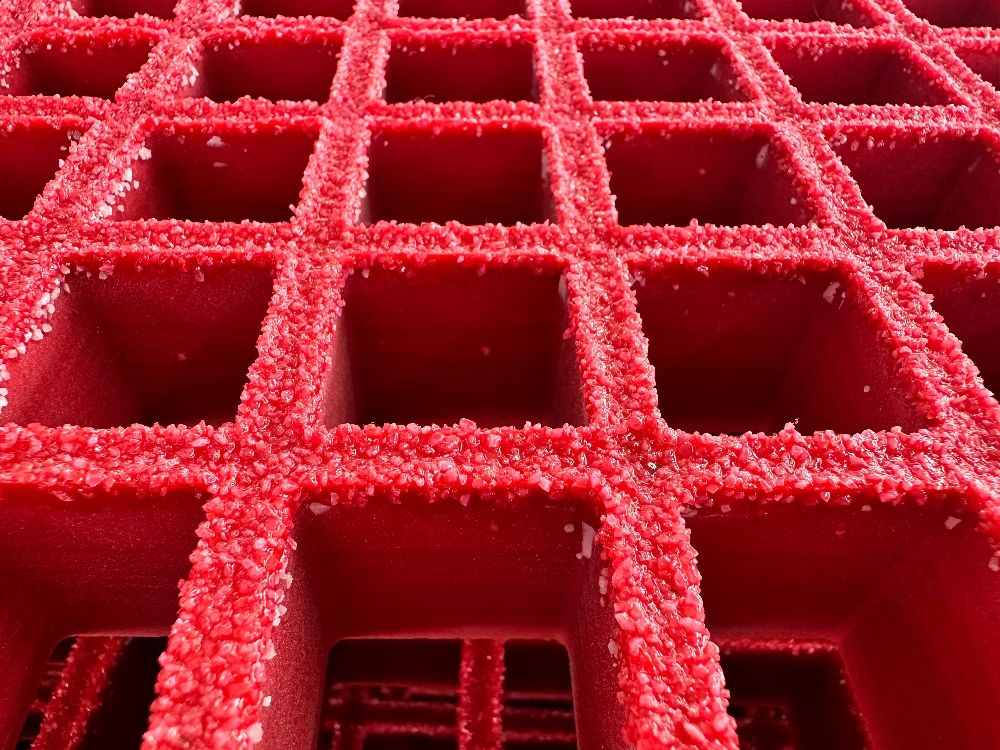
Beyond functionality, FRP grating also contributes to improved workplace conditions. Its slip-resistant surface provides better traction, reducing the risk of slips and falls in wet or oily areas. The material can be customized in terms of color and design, helping to distinguish different zones or pathways, which aids in organization and visual clarity. By opting for FRP grating, industries not only invest in a robust flooring solution but also foster a safer, more efficient environment that supports long-term operational goals without the constant need for overhauls.
Key Considerations When Selecting a FRP Grating Supplier
Choosing the right FRP grating supplier isn't just about comparing price tags—it's about finding a partner who understands your project's unique demands. Start by digging into their experience and reputation: How long have they been in the industry, and do they have a track record of delivering for clients in your sector? Look for suppliers who offer customized solutions, as off-the-shelf products might not cut it for specialized applications. Don't shy away from asking for references or case studies; a reliable supplier will gladly share success stories that highlight their ability to handle challenges like corrosion resistance or load requirements.
Quality assurance is another critical factor that often gets overlooked in the rush to secure a deal. Scrutinize the materials and manufacturing processes they use—are they adhering to industry standards like ASTM or ISO? Inspect if they conduct rigorous testing, such as checking for resin consistency or fiber alignment, which can impact durability. Also, consider their lead times and logistical support; a supplier with efficient production and shipping can prevent costly delays on-site. Remember, cutting corners here might save money upfront but lead to headaches down the line with maintenance or replacements.
Beyond the basics, think about the long-term relationship. Does the supplier provide ongoing support, like technical advice or after-sales service? This can be invaluable for troubleshooting installation issues or planning future projects. Evaluate their environmental practices too, as sustainable sourcing and waste management are becoming key concerns in many industries. Ultimately, selecting a FRP grating supplier should balance cost, quality, and reliability, ensuring you get a product that performs well and aligns with your operational goals.
How FRP Grating Enhances Safety in Workplace Environments
In busy industrial sites, workers face daily hazards from slippery surfaces to sharp edges. FRP (Fiber Reinforced Plastic) grating steps in as a game-changer, offering a durable, slip-resistant surface that holds up under heavy foot traffic and harsh chemicals. Unlike traditional materials like steel, which can corrode or become slick with oil, FRP maintains its grip even in wet conditions, reducing the risk of slips and falls that account for a significant portion of workplace injuries. Its lightweight nature also makes installation easier and safer, minimizing strain during setup.
Beyond just traction, FRP grating enhances safety through its non-conductive properties, which are crucial in electrical environments where metal alternatives could pose shock risks. It doesn't spark or conduct electricity, making it ideal for areas with flammable materials or high-voltage equipment. Additionally, its resistance to corrosion means it won't degrade over time, maintaining structural integrity and preventing accidents caused by weakened flooring. This longevity translates to fewer maintenance interruptions, keeping operations smooth and reducing exposure to potential hazards during repairs.
Another key aspect is FRP's customization options, allowing for tailored designs that fit specific safety needs. With various mesh sizes and load capacities, it can be engineered to support heavy machinery or provide ventilation in confined spaces, improving air quality and reducing fire risks. By choosing FRP grating, companies not only comply with safety standards but also foster a proactive safety culture that prioritizes worker well-being and operational efficiency.
Customization Options Available from Top Suppliers
Leading suppliers in the industry pride themselves on offering a vast array of customization choices, allowing businesses to tailor products precisely to their specific needs and brand identity. From material selection and color variations to unique sizing and packaging designs, these options empower companies to stand out in competitive markets while ensuring functionality and quality. By partnering with top-tier suppliers, you gain access to expert insights and advanced technologies that make customization not just an add-on, but a seamless part of the production process, enhancing both aesthetics and performance.
Beyond basic modifications, premier suppliers often provide deeper customization solutions, such as integrating bespoke features or adapting products for specialized applications. This might include custom logos, specialized finishes like anti-corrosive coatings, or adjustments for specific environmental conditions. These tailored approaches help clients address unique challenges—whether it’s meeting regulatory standards in healthcare or enhancing durability in harsh industrial settings—ultimately delivering solutions that go beyond off-the-shelf offerings and foster long-term partnerships.
In today’s fast-paced market, top suppliers emphasize flexibility and responsiveness, enabling quick adjustments to design tweaks or last-minute changes without compromising on timelines or costs. They leverage agile manufacturing practices and digital tools like 3D modeling to visualize customizations before production, ensuring clarity and alignment with client expectations. This proactive support not only streamlines the customization journey but also adds value by helping businesses innovate and adapt swiftly to evolving consumer demands or industry trends.
Comparing FRP Grating to Traditional Flooring Materials
When choosing flooring materials for industrial or commercial settings, the debate often comes down to FRP grating versus traditional options like steel, wood, or concrete. FRP (Fiberglass Reinforced Plastic) grating stands out with its corrosion resistance, making it ideal for environments exposed to chemicals, saltwater, or moisture where steel might rust or wood could rot. Unlike concrete, which can crack under heavy loads or extreme temperatures, FRP is lightweight yet durable, offering a non-slip surface that enhances safety without requiring frequent maintenance.
Traditional materials have their merits, but FRP grating brings unique advantages in terms of installation and longevity. While steel grating is strong, it's heavier and often needs protective coatings to prevent corrosion, adding to long-term costs. Wood, though affordable, is prone to decay and fire hazards, whereas FRP is inherently fire-retardant and doesn't absorb water. This makes FRP a cost-effective choice over time, as it reduces the need for repairs or replacements, especially in harsh conditions where other materials might fail quickly.
Beyond durability, FRP grating offers versatility that traditional flooring can't match. It's easily customizable in terms of colors and designs, blending functionality with aesthetics, while materials like concrete are limited in appearance. Moreover, FRP's electrical non-conductivity adds an extra layer of safety in areas with electrical equipment, a feature not found in conductive metals. For businesses looking to balance performance with innovation, FRP provides a modern solution that outperforms older materials in both practical and economic aspects.
Maintenance and Long-Term Durability of FRP Grating
When it comes to the upkeep of industrial flooring, FRP grating stands out for its low-maintenance nature. Unlike traditional materials that often require frequent painting or sealing to prevent corrosion, FRP grating resists rust and chemical damage inherently. This means you can typically clean it with just water and mild detergents, saving time and resources over the years. It's this hassle-free aspect that makes it a favorite in harsh environments, where other options might degrade quickly.
The long-term durability of FRP grating is another key advantage, rooted in its composite structure that combines fibers and resins. This design allows it to withstand heavy loads, UV exposure, and temperature fluctuations without significant wear. In practice, facilities report that FRP grating maintains its structural integrity for decades, even in outdoor or corrosive settings. This resilience translates to fewer replacements and reduced downtime, offering a reliable solution that keeps operations running smoothly.
Beyond basic performance, the sustainability angle adds to FRP grating's appeal. Its extended lifespan means less waste compared to short-lived alternatives, aligning with modern environmental goals. Choosing FRP grating isn't just about immediate benefits; it's a strategic investment in durable, low-maintenance infrastructure that pays off over time.
FAQ
FRP (Fiberglass Reinforced Plastic) gratings are durable, corrosion-resistant panels made from composite materials, essential for industrial flooring due to their strength and longevity in harsh environments.
Unlike metal, FRP grating resists rust and chemical damage, requires less maintenance, and is lighter, making installation easier and safer in industrial settings.
Industries such as chemical processing, water treatment, and food production benefit greatly, as FRP withstands corrosive substances and meets hygiene standards effectively.
Yes, suppliers often offer customization in panel sizes, colors, and load capacities to suit unique project needs, enhancing safety and performance on-site.
Proper support spacing, secure fastening methods, and selecting the right resin type are key to ensuring long-term durability and compliance with safety regulations.
Its non-slip surface, fire-retardant properties, and resistance to electrical conductivity reduce accident risks, promoting a safer working environment.
Conclusion
FRP grating suppliers play a crucial role in providing durable solutions for industrial flooring, offering numerous benefits such as corrosion resistance, lightweight construction, and slip resistance, which enhance workplace safety by reducing accidents. These advantages are further amplified when selecting a supplier with key considerations like product quality, industry experience, and customization options, allowing for tailored designs that meet specific operational needs. By integrating these aspects, FRP grating stands out as a versatile choice that supports long-term performance and adaptability in demanding environments.
When compared to traditional materials like steel or wood, FRP grating offers superior longevity and lower maintenance requirements, often with minimal upkeep needed to preserve its structural integrity. This durability is reinforced by suppliers who emphasize innovation in materials and installation techniques, ensuring that FRP solutions not only improve safety but also reduce long-term costs. As a result, partnering with a top-tier FRP grating supplier can lead to enhanced workplace efficiency and sustainability, making it an essential investment for modern industrial flooring projects that prioritize both functionality and safety.
Contact Us
Contact Person: Nicholas Zhu
Email: [email protected]
Tel/WhatsApp: 18921275456
Website: https://www.sino-grate.com