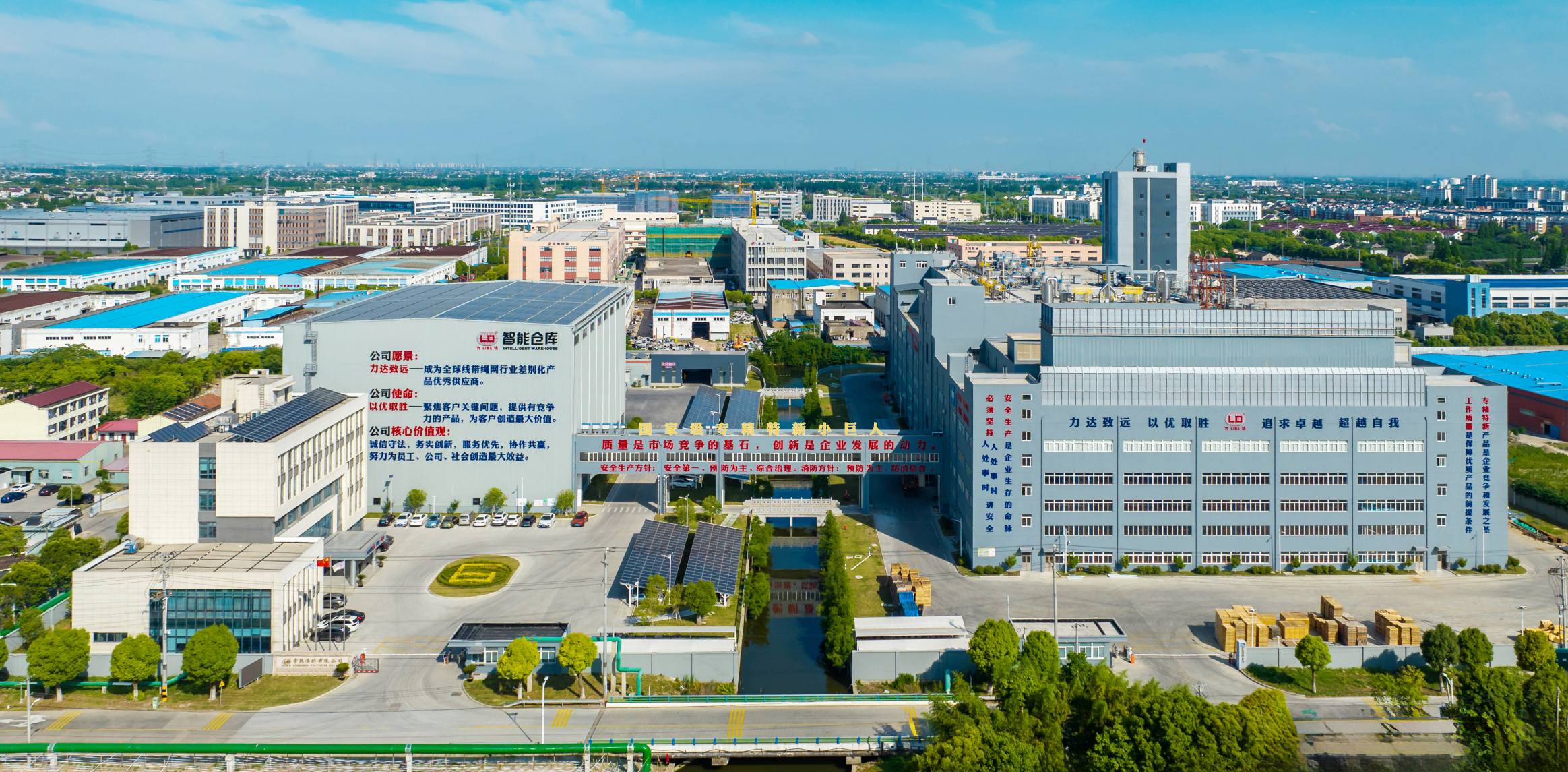

High Tenacity Nylon 6 Filament Yarn Company: Driving Innovation in Industrial Textiles
2026-07-16
Industrial textiles demand materials that can endure extreme stress without compromise. High tenacity nylon 6 filament yarn is at the core of this evolution, offering unmatched strength and versatility for applications from heavy-duty conveyors to advanced geotextiles. As the industry pushes boundaries, one name consistently leads the charge in quality and innovation: Changshu Polyester. But what really sets their yarn apart in a crowded market? Let's unravel the threads.
Redefining Strength: The Core of High Tenacity Nylon 6 Yarn
Strength in textiles isn’t just about resisting breakage—it’s about endurance under relentless stress, in environments that punish lesser materials. High tenacity nylon 6 yarn embodies this principle by fusing molecular integrity with consistent performance. Unlike standard nylon grades, its tightly bonded polymer chains and optimized drawing process allow it to withstand extreme tension, abrasion, and flex fatigue without compromising on flexibility. This makes it the silent workhorse behind heavy-duty lifting slings, parachute cords, and reinforced industrial fabrics where failure isn’t an option.
What truly sets it apart is its ability to absorb energy gradually rather than snapping abruptly. This ductile behavior, paired with remarkable knot strength and resistance to heat and chemicals, means designers can push boundaries without adding bulk. Whether it’s enduring the shock load of a rock climber’s fall or the constant vibration in automotive airbag tethers, the yarn distributes forces evenly, preventing catastrophic breakage. The result is a material that doesn’t just meet safety standards—it redefines them by offering predictable reliability in unpredictable conditions.
From Polymer to Performance: The Making of Industrial-Grade Filaments
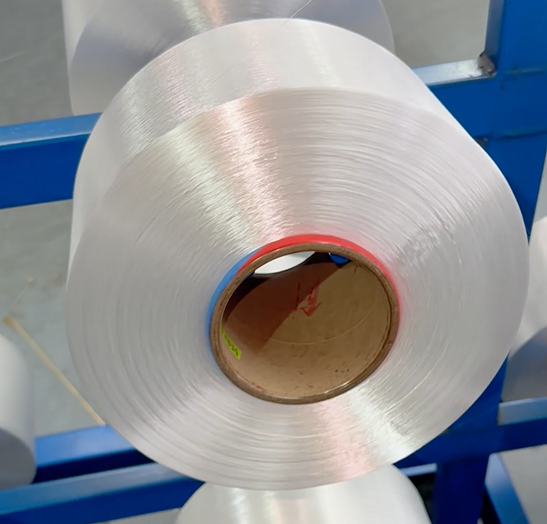
It starts with selecting the right polymer — not just any plastic, but formulations engineered for toughness, thermal stability, or chemical resistance. These raw pellets often carry additives that boost UV resistance or reduce friction, tailored to the filament’s final job. The blend is dried meticulously because even trace moisture can create weak spots during extrusion.
Inside the extruder, polymer melt is pushed through a filter to catch impurities before it hits the die. The filament emerges as a molten strand, immediately quenched in a water bath or air chamber. This rapid cooling sets the diameter but doesn’t lock in strength — that comes next. Precision rollers pull the strand, stretching it to align long polymer chains, transforming a glob of plastic into a tough, oriented filament.
After orientation, the filament enters a relaxation phase where it’s gently heated to relieve internal stresses, so it won’t shrink or warp later. Some lines are subjected to specialized coatings or surface treatments, giving them a gritty texture for better bonding in composite applications. The result is a spool not just of material, but of predictable performance, ready for everything from conveyor belts to 3D-printed gears.
Beyond Conventional Textiles: Where Innovation Meets Durability
Stepping away from the expected, our fabrics are engineered at the molecular level, intertwining high-tenacity fibers with smart polymers that self-reinforce under stress. This isn't just about lasting longer; it's about a material that actively adapts to daily wear, healing micro-tears and resisting abrasion in ways cotton or standard synthetics never could. The result is a tactile experience that remains smooth, unblemished, and remarkably intact, even after years of hard use.
We've abandoned the traditional trade-off between flexibility and toughness. Through a proprietary weaving technique that angles fibers in multiple axial directions, our textiles distribute force across the entire matrix rather than allowing it to concentrate at a single point of failure. This means a jacket that doesn't stiffen over time, upholstery that refuses to sag, and gear that maintains its precise shape from the first expedition to the hundredth. Durability here is not a passive attribute—it's a dynamic, built-in response to the demands of real life.
Tailored Solutions for Heavy-Duty Applications
Every heavy-duty challenge has its own set of demands, and off-the-shelf fixes rarely cut it. We dig deep into your operational reality—whether it’s extreme temperatures, constant vibration, or punishing loads—and engineer systems that integrate seamlessly with your existing setup. No bandaids, just robust, purpose-built answers.
From reinforced hydraulics that shrug off debris to electronic controls tuned for non-stop shifts, our approach eliminates the guesswork. We don’t just supply components; we forge long-term reliability into every solution, so your machinery keeps performing when the pressure is on.
Sustainability Woven into Every Fiber
From the very first step of material selection, the commitment to sustainability is absolute. It's not a buzzword tacked onto a tag; it's a principle guiding every choice. Think organic cotton cultivated without synthetic pesticides, recycled polyester spun from discarded plastic bottles, and innovative fibers derived from responsibly managed forests. These materials are chosen not just for their low environmental impact, but for their ability to be reborn at the end of their useful life.
This philosophy extends deep into the manufacturing process. Water is recycled in closed-loop systems, solar panels and wind turbines power the factories, and every scrap of fabric is repurposed to eliminate waste. Workers are treated with dignity, given fair wages and safe conditions, reflecting a belief that true sustainability must encompass human well-being. The result is a fabric that holds the story of a better way of making things, one that’s soft to the touch yet sturdy in its conscience.
Partnerships That Elevate Industrial Standards
In an industry where complacency often stifles progress, strategic alliances become the catalyst for meaningful change. We forge partnerships not simply to expand our network, but to challenge and redefine what’s possible. By aligning with pioneers in technology, sustainability, and process innovation, we integrate cutting-edge solutions that push beyond conventional benchmarks. These collaborations are rooted in shared accountability—every partner is rigorously vetted to ensure their ethos matches our uncompromising standards. The result is a dynamic ecosystem where knowledge flows freely, weaknesses are fortified, and breakthroughs are accelerated. It’s not about keeping pace with the industry; it’s about setting a pace that others strain to follow.
Our approach to partnerships goes beyond transactional exchanges. We immerse ourselves in joint research and development, co-creating protocols that address long-overlooked inefficiencies. Whether it’s developing safer material handling systems with robotics experts or building smarter supply chain models with data scientists, each collaboration is tailored to solve real-world pain points. The diversity of our partners—from agile startups to established engineering firms—fuels a cross-pollination of ideas that isolated entities can rarely achieve. Through this, we’ve managed to transform rigid legacy processes into adaptive frameworks that not only meet but anticipate the demands of modern industrial ecosystems.
True elevation of standards demands more than technical upgrades; it requires a cultural shift. Our partnerships intentionally disrupt the status quo by fostering a mindset of continuous evolution. We embed our partners’ expertise directly into our operational DNA, creating feedback loops that drive iterative refinement. This has led to advancements such as predictive maintenance models that reduce downtime far below industry averages, and quality control systems that adapt in real time to variances. The impact is measurable—higher safety ratings, reduced waste, and increased asset longevity. Yet the most telling indicator is the ripple effect: competitors, suppliers, and regulators begin to adopt the elevated norms we’ve jointly established, proving that when we lift the bar, the entire sector rises along with us.
FAQ
High tenacity nylon 6 filament yarn is a specialized type of nylon engineered for superior strength and durability. Unlike standard nylon yarns used in apparel or home textiles, this variant has a much higher tensile strength, meaning it can withstand greater force before breaking. It also offers excellent resistance to abrasion, chemicals, and UV exposure, making it ideal for demanding industrial applications where performance and longevity are critical.
It's used extensively in the manufacturing of heavy-duty industrial fabrics, such as conveyor belts, tire cords, geotextiles, safety nets, and ropes. The yarn’s toughness allows these products to endure high stress, repetitive wear, and harsh environmental conditions. In automotive and aerospace, it reinforces composites; in construction, it stabilizes soil and reinforces structures. Essentially, anywhere you need a lightweight yet extremely strong material, this yarn is a top choice.
Our company invests heavily in R&D to push the boundaries of fiber technology. We continuously refine our polymerization and spinning processes to achieve higher tenacity without compromising elongation or thermal stability. We also collaborate closely with downstream manufacturers to develop custom solutions—like yarns with specific coatings for chemical resistance or enhanced adhesion to rubber. By staying ahead of industry trends, we turn novel ideas into practical, high-performance materials that solve real-world engineering challenges.
We enforce rigorous quality control at every stage, from raw material selection to final packaging. Our in-house lab tests each batch for tenacity, elongation at break, denier uniformity, and thermal shrinkage. We use automated inspection systems to detect filament flaws and ensure spool consistency. All processes are ISO-certified, and we maintain traceability so that every shipment meets the exact specifications our clients demand.
Sustainability is a core focus. We’ve developed yarns using recycled caprolactam, reducing reliance on virgin petrochemicals. Our production is energy-efficient, and we actively minimize waste through closed-loop systems. Additionally, the long service life of our high tenacity yarns means fewer replacements, which lowers the overall environmental footprint. We’re exploring bio-based nylon precursors and end-of-life recycling programs to further close the loop.
Compared to polyester or polypropylene, nylon 6 offers a unique balance of high strength, elasticity, and impact resistance. It has excellent fatigue resistance, meaning it can be repeatedly stretched and bent without degrading—crucial for dynamic uses like ropes and belts. Its moisture regain also provides better comfort and processing flexibility in certain coated fabrics. Plus, nylon 6 handles high temperatures and abrasive conditions better than many alternatives, which is why it’s the go-to for critical industrial tasks.
We operate a dedicated technical service team that works directly with clients to understand their application needs. Whether they need a particular denier, twist level, or surface treatment, we can tailor the yarn accordingly. We offer small pilot runs for validation and provide detailed documentation on mechanical and thermal properties. Our approach is consultative—we often suggest material improvements or alternative designs that can lower costs or boost performance, making us a true partner in their product development.
We see growing demand for lighter, stronger materials driven by the push for fuel efficiency in vehicles and renewable energy infrastructure. There’s also a shift toward multifunctional yarns—conductive fibers for smart textiles, flame-retardant variants for protective gear, and bio-based alternatives. Digitalization in manufacturing will enable more precise quality control and faster customization. Companies that can combine strength with sustainability and smart features will lead the next wave of industrial textile innovation.
Conclusion
At the heart of industrial textile advancement lies the High Tenacity Nylon 6 Filament Yarn Company, where the very concept of strength is continually redefined. The core of its offering—high tenacity nylon 6 yarn—delivers exceptional tensile power while maintaining the flexibility essential for demanding environments. This achievement stems from a meticulous transformation process that turns raw polymer into performance-driven filaments, using advanced extrusion and drawing techniques to align molecular chains for maximum toughness. The result is a product that pushes beyond the limits of conventional textiles, merging innovation with durability to withstand extreme stress, abrasion, and fatigue in ways traditional materials cannot.
The company’s commitment extends far beyond a one-size-fits-all approach. It provides tailored solutions for heavy-duty applications, engineering yarns to meet precise specifications for sectors like automotive, geotextiles, and protective gear. Sustainability is woven into every fiber, with eco-conscious manufacturing processes that reduce waste, recycle water, and incorporate recycled content without compromising performance. True impact, however, is realized through partnerships that elevate industrial standards—collaborating closely with clients to co-develop solutions, setting new benchmarks for reliability and efficiency. In every thread, this company drives innovation, delivering industrial textiles that are not only stronger and smarter but also responsibly crafted for the future.
Contact Us
Contact Person: CONNIE
Email: [email protected]
Tel/WhatsApp: 86-0512-53671634
Website: https://www.lida-yarn.com/