

How Heat Resistant Conveyor Belt Manufacturers Ensure Performance in Extreme Temperatures
2026-11-21
Conveyor belts carrying clinker, sinter, or freshly cast materials rarely get the luxury of moderate conditions. At 200°C, 300°C, or sudden spikes beyond 400°C, rubber compounds harden, covers crack, and adhesion fails—often without warning. Heat resistant conveyor belt manufacturers reduce that risk by obsessing over details most buyers never see: cover compound selection, splice integrity, and lab-simulated thermal aging. YUFENG has spent years turning those hidden variables into measurable performance data, so a belt does not just survive extreme heat—it keeps running predictably. Here is how that engineering works.
Choosing a Compound That Survives Constant Heat, Not Just a Single Oven Test
Many engineers treat thermal stability as a pass-or-fail box to tick after one oven cycle. A compound survives a single test at 200°C, gets approved, and then spends years inside a housing that never cools below 160°C during normal operation. The real question is not whether it survives a fixed duration in a lab oven, but how its mechanical and electrical behavior drifts after thousands of accumulated hours under continuous load, vibration, and thermal expansion. Choosing a compound that lasts means looking beyond the datasheet headline and asking what happens at the molecular level when heat is no longer an event, but an environment.
Constant heat changes the failure modes. A material that passes a short-term test with flying colors can still embrittle, outgas, or lose dielectric strength once additives migrate and polymer chains slowly oxidize. In service, the degradation is often invisible until a connector cracks, a potting layer delaminates from a PCB, or a seal loses its compression set and lets moisture in. That is why long-term candidates should be evaluated for retention of elongation, hardness, and volume resistivity after weeks or months of aging, not just minutes. Thermogravimetric analysis helps, but so does recording the actual weight loss and surface tack after realistic thermal cycling, because those small shifts often predict field failures better than a single dramatic oven test.
The right compound also needs a thermal profile that matches the entire lifecycle, including cold starts, hot spots near power components, and repeated expansion-contraction cycles. Silicones, for example, tolerate broad temperature ranges and retain flexibility, but they may not suit every chemical exposure. Epoxies offer rigidity and strong adhesion, yet can become brittle if continuously operated near their glass transition temperature. Rather than chasing the highest temperature rating, focus on stability within the band where the device actually operates, and verify that the chosen chemistry maintains its critical properties after prolonged exposure to that band. A compound that survives constant heat is one that remains dimensionally stable, electrically predictable, and mechanically intact after the oven has been turned off for the last time.
Building the Carcass to Keep Its Strength After the Rubber Softens
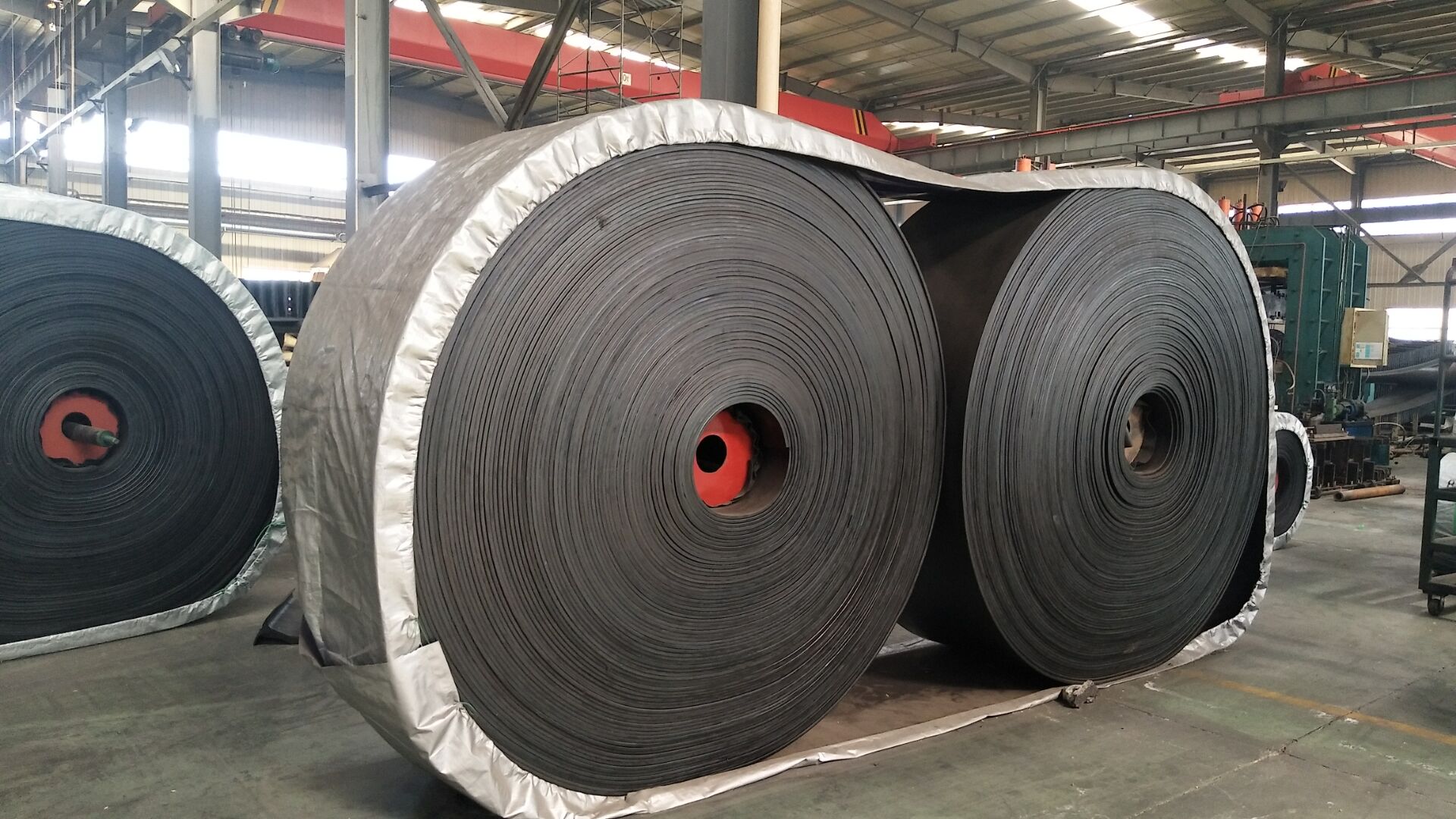
A tire’s outer rubber can flex and warm until it feels almost soft, but the casing underneath has to resist that looseness without turning rigid. The trick lies in how the cord layers are arranged, not just in the compound itself. By crossing the ply angles slightly against the expected load path, the carcass distributes stress across a wider area, which prevents localized fatigue once the tread rubber starts to give.
Builders also lean on bead geometry and belt edge placement to hold the sidewall in check. Instead of relying on thicker rubber for stability, a stable shoulder shape keeps the lower sidewall from folding when temperatures climb and grip improves. This keeps steering response from going vague at exactly the moment the tread surface becomes more pliable.
The materials matter less than the tension they are placed under during construction. When the body ply is pulled evenly and cured under controlled pressure, the residual tension acts like a preloaded spring. That stored energy lets the tire recover its shape quickly after cornering loads, even after the rubber itself has lost some of its original stiffness.
How Manufacturers Account for Thermal Expansion Before It Warps a Line
Most plants start with the measured rate of movement for each material, not a rule of thumb. A stainless steel process line running at 180°F expands differently than a carbon steel utility header at the same temperature, so engineers calculate growth per span using the actual alloy composition and expected cycling range. Those numbers get converted into anchor points, guided supports, and enough flexibility in the layout to absorb movement without letting the line bow sideways.
On longer runs, the fix is often built in rather than added later. Expansion loops, offsets, and bellows are placed where thermal growth naturally wants to go, while cold springing or pre-tensioning pulls a line slightly out of square at ambient temperature so it settles closer to true position at operating heat. For equipment with tight alignment tolerances, maintenance teams also set baseline readings on hangers, slide plates, and shoe supports, then recheck them after the first heat-up cycle to catch any binding before a small shift turns into buckling or flange leakage.
Running Belts Through Furnace Simulations That Match Real Shift Patterns
Instead of treating the furnace as a steady-state box, the simulation runs the belt the way the plant actually does: morning startup ramp, mid-shift slowdowns, and the awkward handoff around 6 a.m. when the line keeps moving but the crew is still trading notes. The result shows hot spots that only appear when product spacing tightens after a break, not just the ideal spacing from the layout drawings.
Shift-specific loading comes from the previous three weeks of production logs, so belt speed changes at the same minutes it did on the floor. That means the simulation picks up the small pile-up at the charging end when the third shift starts, and the brief under-loading after lunch on day shift. A nominal cycle rarely captures these, but they shift heat transfer enough to change part temperatures by several degrees.
Running the simulation against real shift patterns also gives maintenance and quality teams a shared view of the same event. When a belt pauses longer than usual during a shift change, the software records how long the product lingers in the soak zone and what that does to the surface condition. The conversation then moves from guessing about shift habits to reading a thermal trace that matches the clock on the wall.
Spotting the Early Signs of Heat Aging Before Cracks Turn Into Tears
Maybe the first clue isn't a crack at all. On a hose elbow or gasket face, heat aging usually announces itself as a shift in surface tone: a dull black turns faintly grey, a blue silicone edge bleaches toward white, or a clear jacket picks up a yellowish cast right at the bend. That patina is not cosmetic. It marks where heat has begun oxidizing the outer layer while the core still holds.
The next warning often shows up in how the part responds to pressure. Press a fingernail into a suspect seal and count how long the mark lingers. Healthy rubber snaps back almost immediately; heat-aged material may hold the impression for several seconds or feel tacky under thumb. On hoses, a light pinch can reveal less spring-back and a subtle crinkle near the clamp line, both of which mean the polymer network is losing its flexibility long before visible splits appear.
Smell and surface residue are just as telling. An overheated belt or grommet may give off a bitter, slightly acrid odor, or develop a waxy bloom that wipes off and returns. That film is often degraded plasticizer or antioxidant migrating out of the compound, and it usually shows up while the part still looks intact. Treat those changes as the real failure threshold, because replacing the component then is far easier than dealing with a tear later.
Making the Splice the Strongest Part of a High-Temperature Belt
Most high-temperature belt failures that get blamed on the splice are actually the result of treating the joint like a separate patch instead of a fully engineered section of the belt. The goal is not to hide the splice but to make its cured rubber network denser and more heat-stable than the surrounding cover stock. That shift in thinking changes the entire joining process, from surface preparation to final cure.
The strongest splices use stepped or finger-shaped geometry rather than a simple overlapping lap. This spreads shear stress across a larger bonded area and prevents a single peel line from opening up under load. Pair that with a heat-resistant compound matched to the base belt, or slightly exceeding it, and hold the splice under controlled pressure while curing at a temperature that avoids scorching the adjacent fabric. The result is a joint that holds its shape when the belt cycles through repeated hot and cold runs.
Once the splice is cured under those conditions, the common failure point moves away from the joint. Pull testing on high-temperature belts regularly shows the parent material letting go before the splice does, which means the splice has become the least of the maintenance team's concerns.
FAQ
Most heat resistant belts rely on EPDM or chlorobutyl-based cover compounds rather than general-purpose SBR. These elastomers hold their flexibility longer because their polymer chains resist oxidative attack at elevated temperatures. Manufacturers also load the compound with carbon black and silica-type fillers to improve thermal conductivity and reduce surface cracking. The exact blend shifts depending on whether the belt handles fine clinker, hot foundry sand, or sintered ore, since each material transfers heat differently.
A one-time oven test only shows how a sample behaves at a fixed temperature, but real conveyor lines constantly move between hot zones and cooling return runs. Repeated expansion and contraction is what opens micro-cracks and weakens the rubber-to-fabric bond. Manufacturers run cycles that alternate between high heat, ambient air, and sometimes water spray to see whether the cover delaminates or the surface turns brittle. Belts that pass a static rating can still fail quickly under that kind of repeated stress.
Moderate heat belts often use SBR blends that can handle occasional spikes up to around 120–150°C. Extreme heat versions move to EPDM, chlorobutyl, or specialty compounds designed for continuous contact above 180°C. The compounding balance also changes: extreme belts use less oil and more heat-stable plasticizers so the rubber does not harden into a glassy layer. In some cases a thin sacrificial top layer is added to absorb surface checking while the base cover remains elastic.
The carcass has to survive heat that passes through the cover, so high-temperature belts often use heat-set polyester or aramid fabrics instead of standard nylon. Steel cord constructions are sometimes chosen for very high tension, but the cord diameter and spacing must allow the rubber to dissipate heat without forming hot spots. If the carcass shrinks or loses adhesion, the belt can track poorly or tear before the cover shows obvious wear. Manufacturers focus as much on the bonding layer as on the outer cover.
They use antioxidant packages that stay active at high temperatures instead of burning off in the first few months. The cure system is also adjusted because a dense crosslink network can make the rubber brittle once it ages. Some formulas include a small amount of internal lubricant or heat-stable oil to preserve surface flexibility without making the belt sticky. Periodic drum or pulley contact helps draw heat away, so the compound is designed to release heat at the contact points rather than trap it.
The splice introduces a new rubber-to-fabric interface and a slightly different cure history than the factory-built belt. Under heat, the bond line can oxidize faster than the surrounding cover, especially if the splice was not cured under full pressure. Manufacturers specify special hot-splice materials and longer cooling times to keep the joint from becoming brittle. Even a well-built belt can fail at the splice if the joint is made with a general-purpose cement instead of a heat-resistant one.
Lab tests such as hot air aging and abrasion after heat exposure give a baseline, but they cannot reproduce every plant condition. Manufacturers collect used belt samples, measure how much the cover has hardened, and inspect for cracks at the edges and splice. That data feeds back into compound changes such as adjusting filler loading or changing the fabric treatment. The most durable belts usually come from manufacturers that track performance across multiple sites and revise the formula in small steps.
The cover may show dense crazing or small surface cracks that grow into chunks of rubber breaking away. The belt can become glossy and hard on the top surface while the back cover starts to soften or shrink. Tracking problems often appear because the carcass has lost tension or the edges have curled upward. If hot material sticks to the surface and causes carryback, it usually means the rubber is losing its release properties and the temperature or load cycle has exceeded the intended range.
Conclusion
Manufacturers that get high-temperature conveying right tend to treat heat as a continuous operating condition rather than a single pass/fail event. Compound selection starts with formulations that resist hardening and cracking over thousands of hours, because a rubber that merely survives a brief oven exposure can still turn brittle once a line runs three shifts without cooling. Equally important is what happens underneath the cover: if the rubber softens, the carcass has to keep carrying tension and impact, so fabric or steel cord constructions are chosen for strength retention at elevated temperatures rather than just ambient ratings. Thermal expansion is designed into the system early, with pulley alignment, take-up travel, and transition distances adjusted so the belt does not wander or warp as heat builds.
Testing goes beyond static heat soaking. Furnace simulations are often patterned after real shift cycles, including hot starts, slow cooling periods, and sudden stops, because these repeated swings cause more damage than a constant temperature. During those trials and in field returns, manufacturers look for early heat aging markers such as surface crazing, hardening at the edges, or small cracks near the cover, intervening before minor damage spreads into a full tear. Splice work receives the same attention as the belt body, since a poorly matched splice can become the weak link once the line reaches operating temperature. By aligning compound, carcass, expansion allowances, cycling tests, aging checks, and splice design, suppliers aim to make the joint and the belt hold together long after the rubber begins to soften.
Contact Us
Contact Person: Jayce
Email: [email protected]
Tel/WhatsApp: 8615318787602
Website: https://www.yuphengbelt.com/