

Import Wood-Based Activated Carbon: A Comprehensive Guide to Quality, Applications, and Global Suppliers
2026-07-29
Sourcing premium wood-based activated carbon isn't just about filtration—it's about unlocking purity in countless industries. Yet, navigating quality, applications, and reliable global suppliers remains a puzzle. If you're aiming for top-tier performance, Tundrr simplifies your journey, linking you to vetted sources that elevate your operations.
Why Wood-Based Activated Carbon Stands Out in the Import Market
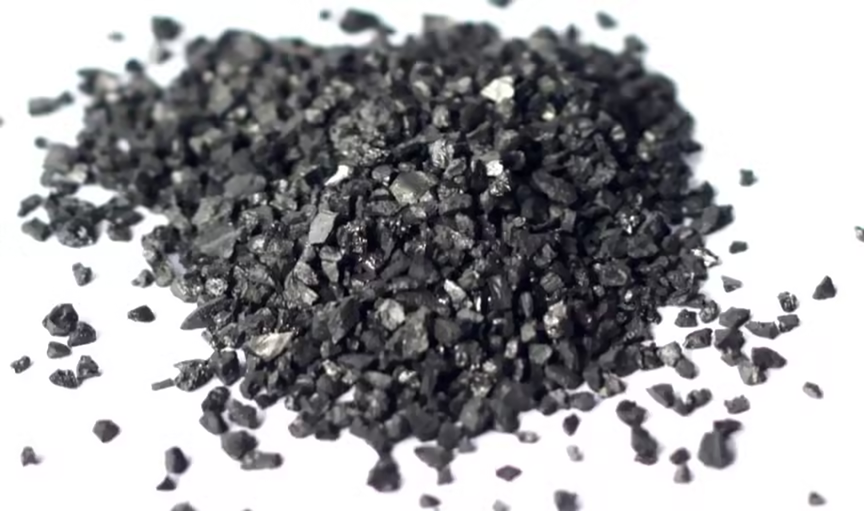
When importers scan the global market for activated carbon, they quickly notice a growing preference for wood-based varieties. Unlike coal or coconut shell alternatives, this material offers a unique balance of high surface area and renewable sourcing. Its porous structure, derived from carefully selected timber like pine or hardwood, excels at trapping contaminants in both liquid and gas phases. This natural efficiency often translates into lower dosage requirements, making it a cost-effective choice for large-scale water treatment, air purification, and industrial processes. The consistent quality from sustainably managed forests further reassures buyers facing tightening environmental regulations.
Another factor driving its import popularity is the versatility in tailoring pore sizes. Manufacturers can adjust activation parameters to create carbons optimized for specific adsorbates—whether capturing small volatile organic compounds or larger color bodies in food and beverage decolorization. This customizability allows importers to source a single material for diverse applications, reducing supply chain complexity. Additionally, wood-based carbon tends to generate less dust compared to some traditional options, easing handling and lowering filtration system maintenance. Its neutral pH and low ash content also minimize secondary contamination risks, a critical consideration in pharmaceutical and food-grade uses.
The renewable origin of wood-based carbon resonates strongly in today's import market. As countries enforce stricter deforestation laws and carbon footprint tracking, the ability to provide certification from responsibly managed sources becomes a differentiator. Some suppliers even reclaim wood waste from timber processing, adding a circular economy angle that appeals to eco-conscious clients. This sustainability profile, coupled with robust performance, positions wood-based activated carbon as a forward-looking investment for importers aiming to future-proof their supply chains against regulatory and consumer pressure.
Sourcing Essentials: Evaluating Quality Before You Import
Relying on supplier promises or glossy photos alone is a gamble you can't afford. The real work starts with nailing down a precise, measurable quality specification that leaves zero room for interpretation. Go beyond basic materials and dimensions—define tolerances, finishing standards, and performance benchmarks. If your product has to survive a drop test or resist fading after 100 hours of UV exposure, write that into the contract. This document becomes your single source of truth, and any deviation during later inspections gives you clear grounds to push back without endless back-and-forth.
Next, shift your focus to the production line itself, not just the final output. A pre-production sample is useful, but it's often a handcrafted honeypot. Instead, insist on an in-line inspection where someone checks random pieces mid-process. That's when you catch shortcuts—like a weaker seam being used to save thread or a coating applied too thin—before they become an entire container load of problems. If you can't be there yourself, hire a local inspection partner who understands your standards and won't be charmed by the factory's hospitality.
Finally, treat your relationship with the supplier like an ongoing audit. Factories that consistently deliver good quality typically have robust internal systems, not just a lucky run. Ask about their defect tracking, equipment maintenance logs, and how they train new workers on your specific product. If they fumble these answers, it's a red flag that quality might depend on a single supervisor who could leave any day. True reliability comes from a culture of consistency, and your upfront digging is the only way to measure it.
Key Industrial Uses That Drive Global Demand
From the steel skeletons of skyscrapers to the microchips powering our devices, industrial metals form the backbone of modern civilization. Copper, for instance, remains irreplaceable in electrical wiring and renewable energy systems, where its conductivity and durability are unmatched. The rapid expansion of electric vehicle production and charging infrastructure has intensified the scramble for this reddish metal, pushing mines to operate at full tilt.
Beyond construction and electronics, niche alloys containing rare earth elements have become indispensable in defense and medical technologies. Neodymium magnets, tiny yet extraordinarily powerful, enable everything from precision-guided missiles to MRI scanners. As nations stockpile these critical materials, the supply chains grow increasingly complex, often hinging on a handful of processing facilities scattered across the globe.
Meanwhile, the chemical industry silently underpins food security through fertilizer production. Potash and phosphate mining operations have scaled dramatically to meet the demands of intensive agriculture, particularly in regions with depleted soils. This quiet, constant draw on mineral resources ensures that industrial demand remains resilient even when economic headwinds slow other sectors.
Navigating Supplier Landscapes Across Major Export Regions
When scouting for suppliers across major export regions, the first step is understanding the distinct manufacturing personalities each area brings to the table. Take China, for instance—it's not just about scale; it's about the intricate clusters of specialization, like Yiwu for small commodities or Shenzhen for electronics. A buyer who digs into these localized ecosystems often uncovers partners who can pivot quickly on design changes, a flexibility that larger, more generic factories might lack. The real skill lies in mapping these clusters to your own product needs, rather than simply chasing the lowest quote.
Beyond geography, the regulatory and cultural undercurrents in each region can quietly shape supplier relationships. In Vietnam, a growing hub for textiles and furniture, the emphasis on personal rapport often means that initial visits and face-to-face negotiations carry more weight than they might in transactional markets. Meanwhile, navigating the European supplier landscape—say, for precision machinery in Germany—requires a sharper focus on certifications and traceability, where a missed compliance detail can stall a whole shipment. Tuning into these unwritten rules often separates smooth sourcing operations from constant firefighting.
Finally, the most successful supply chain players don’t just react to regional quirks; they build resilience by layering alternative sources without diluting quality. This might mean qualifying a backup facility in India for pharmaceutical intermediates while still relying on a primary European plant, or blending component sourcing from Turkey’s agile textile workshops with stable, high-volume partners elsewhere. The goal isn’t to hedge bets blindly, but to weave a supplier fabric that adapts to shifting tariffs, logistics snarls, and sudden demand spikes—all while keeping the final product unmistakably consistent.
Logistics and Compliance for Smooth Cross-Border Shipments
Navigating international shipping demands a clear grip on both logistics and compliance. It starts with understanding the specific import regulations of the destination country—tariff codes, restricted items, and documentation requirements can trip you up if overlooked. A solid partnership with carriers who have cross-border expertise often makes the difference between a stuck shipment and one that glides through customs.
Beyond paperwork, the physical movement of goods requires careful coordination. From selecting the most efficient transport mode to managing inventory at cross-docking facilities, every link in the chain matters. Real-time tracking tools and proactive communication with local customs brokers can prevent small glitches from escalating into major delays.
Compliance isn't a one-time checklist—it evolves with changing trade policies and security protocols. Regular audits of your processes, ongoing staff training, and staying informed about trade agreements help you adapt without sacrificing speed. When logistics and compliance work hand in hand, cross-border shipping becomes a reliable growth engine rather than a recurring headache.
Cost Factors and Long-Term Value in Bulk Purchasing
Upfront price tags rarely tell the whole story when you're buying in bulk. Beyond the obvious discount per unit, hidden costs like storage fees, inventory management, and potential spoilage can quietly eat into margins. A pallet of goods gathering dust in a warehouse isn't a bargain—it's a liability. Savvy buyers map out the total cost of ownership, factoring in how long items sit idle and whether demand will stay steady. Without that lens, a “great deal” can turn into a slow drain on resources.
Long-term value often hinges on the subtle dance between order volume and cash flow. Tying up capital in excess stock might weaken your ability to respond to market shifts or invest in growth. On the flip side, strategic bulk buys from reliable suppliers can stabilize pricing and insulate you from sudden spikes. The real win isn't the lowest per-piece cost—it's a supply chain that bends without breaking. Buyers who negotiate flexible delivery schedules or consignment terms often uncover advantages that a simple price comparison would miss.
Another layer that quietly shapes long-term worth is the consistency of quality across large shipments. A single defective batch in a bulk order can trigger returns, rework, and reputational damage that far outweighs the initial savings. That's why experienced purchasers look past glossy samples and dig into a supplier's track record for uniformity, after-sales support, and willingness to stand behind their product. In the end, bulk purchasing is less about snagging a discount and more about building a partnership that protects your operations over time.
FAQ
Wood-based activated carbon stands out due to its high mesoporosity, which means it has a larger proportion of medium-sized pores compared to coconut shell or coal-based carbons. This structure is excellent for adsorbing medium-to-large molecules like color bodies, proteins, and certain organic compounds, making it indispensable in industries such as food and beverage processing, where clarity and purity are essential.
Quality assessment goes beyond iodine number. A buyer should request a full specification sheet covering methylene blue adsorption, molasses number, ash content, and particle hardness. It's also wise to ask for batch-specific testing results from an accredited third-party lab. Another practical step is to order a pre-shipment sample for in-house trials under actual process conditions, because lab specs don’t always translate to real-world performance.
It's heavily used in the water treatment sector for removing natural organic matter and micropollutants, in the food industry for decolorizing sweeteners and edible oils, and in pharmaceuticals for purification. A less obvious application is in the recovery of precious metals from mining leachates, where its mesoporous network captures complex ions that microporous carbons would miss.
Besides the usual freight concerns, the carbon's classification under customs harmonized codes can be tricky—some countries may misclassify it as a hazardous material due to its dust. You'll need proper Packaging Group certifications and possibly an MSDS in the local language. Also, plan for port storage conditions: humidity can prematurely saturate the carbon, reducing its efficacy before it even reaches your facility.
Southeast Asian suppliers, particularly from Indonesia and the Philippines, often offer carbons with very high mesoporosity from tropical hardwoods and are cost-competitive, but consistency can vary between producers. European manufacturers, using softwoods like pine, emphasize tight quality control and traceable sustainability certifications, though at a higher price. Chinese producers dominate volume, but you need to vet them carefully for environmental compliance and raw material sourcing transparency.
The per-kilogram FOB price is just the beginning. You should factor in moisture content adjustments (since carbon is sold by weight but its adsorbency depends on dry mass), demurrage fees if customs clearance is delayed, and disposal costs for spent carbon if regeneration isn't feasible. Some buyers forget that high-ash carbon might appear cheaper but will clog filters faster, leading to more frequent change-outs and higher operational downtime.
Conclusion
Wood-based activated carbon has steadily gained traction among importers due to its exceptional porosity, high surface area, and the sustainable narrative that comes from using renewable raw materials like coconut shells, hardwood, or sawdust. Unlike coal or lignite alternatives, it often delivers lower ash content and a more consistent pore structure, making it a versatile choice for purification tasks that demand reliability. Evaluating quality before committing to a bulk order is non-negotiable; iodine and methylene blue numbers offer a baseline, but seasoned buyers also scrutinize hardness, moisture content, and particle size distribution to predict real-world performance. These material characteristics tie directly into the booming sectors that drive demand: municipal water treatment plants fighting evolving contaminants, food and beverage producers decolorizing syrups and oils, and pharmaceutical companies requiring ultra-pure streams. Environmental remediation projects, from soil vapor extraction to industrial off-gas cleanup, further cement its position as an indispensable adsorption medium.
Sourcing effectively means looking beyond the certificate of analysis—it demands a clear-eyed assessment of the supplier landscape. Major export regions like Southeast Asia, Eastern Europe, and parts of South America each bring distinct advantages in feedstock availability and manufacturing expertise, yet they also carry varying regulatory maturity. A supplier’s adherence to standards such as NSF, REACH, or the EU’s Drinking Water Directive can serve as a reliable shortcut through the vetting process, but direct factory audits and sample batch testing remain the ultimate confidence builders. Logistics, too, is a silent partner in any successful import venture; moisture-resistant packaging, container treatment against mold, and accurate documentation often separate a smooth shipment from a costly detention. When weighing cost factors, the sticker price per ton is just the beginning—factoring in freight consolidation options, warehousing agreements, and the security of multi-year supply contracts usually reveals the true long-term value. Smart purchasing decisions fold all these elements together, treating wood-based activated carbon not as a commodity buy but as a strategic component of operational resilience.
Contact Us
Contact Person: Ellen Zhang
Email: [email protected]
Tel/WhatsApp: +86(21) 2287 6756
Website: https://www.tundrr.com/en/