
Lijiang Cultural Attractions: Discover China's Timeless Heritage
2026-07-22
Nestled in the heart of Yunnan, Lijiang’s cultural treasures whisper stories of ancient kingdoms and living traditions. Beyond the iconic cobblestone streets and snow-capped mountains, there lies a hidden gem where time flows like water—Jade Water Village. Here, the Naxi heritage comes alive in terraced springs and stone-carved pathways, offering a serene counterpoint to the bustling Old Town. Join us as we uncover the timeless heritage that makes Lijiang a soul-stirring destination.
Lost in Time: The Cobblestone Heart of Lijiang Old Town
There’s a certain magic that clings to the cobblestones of Lijiang’s Old Town—the kind that makes you forget what century you’re in. Each stone, worn smooth by centuries of footfalls, tells a silent story of tea-laden caravans and whispered Naxi legends. Walking here isn’t just a stroll; it’s a slow drift through layers of history, where the present feels like a thin veil over a much older world.
The cobblestone paths twist and dip, leading you past wooden facades etched with intricate floral patterns, their dark beams tilting ever so slightly with age. Water from the Jade Dragon Snow Mountain trickles alongside, crisscrossed by tiny stone bridges, and the soft gurgle becomes a timeless rhythm. Vendors still hawk their wares in the same spots their ancestors did, and the scent of fresh baba bread mingles with the earthy smell of rain-soaked stone. It’s a place where every corner invites you to linger, to lose yourself not just in the maze, but in a living memory.
Whispers of the Naxi: Decoding the Last Living Pictographs
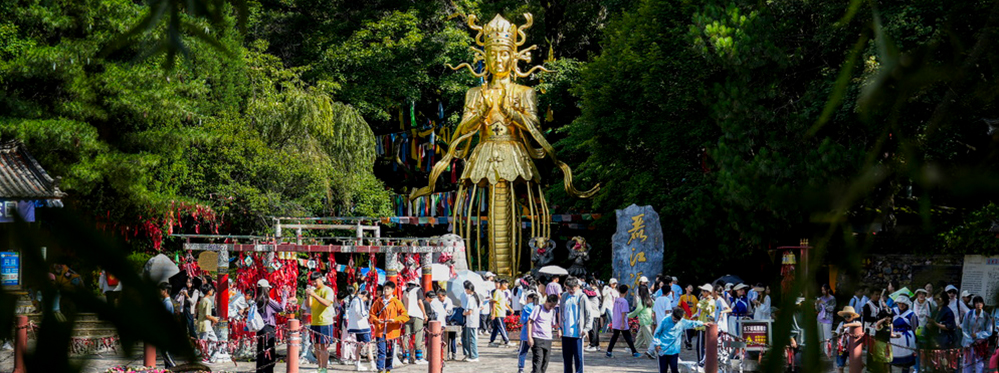
Tucked high in the foothills of the Himalayas, the Naxi people have kept a secret for over a thousand years. Their dongba script is not a relic gathering dust in a museum—it’s a living, breathing system of picture-symbols still used by priests to chant ancient rituals. Each glyph is a miniature story: a tiger leaping, a cloud pregnant with rain, a man dancing under the moon. To read them is to hear the whispers of a culture that refused to let its voice be silenced by time.
Unlike the static hieroglyphs of Egypt or the cuneiform of Mesopotamia, Dongba characters leap off the page with a vibrancy that borders on the animate. A single symbol can depict a sound, an idea, or an entire narrative depending on how it’s strung together with others—almost like a visual jazz. Scholars have spent decades trying to catalog its thousands of ever-evolving characters, only to find that Naxi elders are still inventing new ones. It’s a code that keeps growing, a language that breathes alongside its speakers rather than behind glass.
What makes Dongba truly extraordinary is its solitary journey into the present. While most pictographic systems calcified or vanished under the weight of empires, this one survived tucked in remote valleys, carried on the lips and brushes of the Naxi. Today, only a handful of true masters remain, each a living library of folklore, medicine, and philosophy. Their task is urgent: to pass on the script before the last generation that uses it daily fades away, leaving behind just silent ink on sacred paper.
Jade Dragon’s Embrace: Where Heaven Meets Earth
The Jade Dragon Snow Mountain rises from the earth like a frozen wave, its peaks wrapped in clouds that seem to breathe. Locals say the mountain is a dragon turned to stone, guarding the ancient town below. In the quiet mornings, mist clings to the terraced slopes, blurring the line between the physical and the mythical.
At its base, the Lijiang Old Town sprawls with cobbled streets and canals that mirror the sky. Water flows from the mountain’s melt, threading through stone bridges and wooden doorways, a constant whisper of the heights above. This is a place where Naxi culture still hums in the rhythm of daily life, untouched by the rush of modern time.
Hiking upward, the air thins and the world expands. Panoramic views stretch across glacier-carved valleys, and the silence is broken only by the crack of shifting ice. It’s a raw, humbling threshold—one foot in the realm of men, the other in the domain of gods.
Mirror of the Gods: Black Dragon Pool’s Serene Reflections
On windless mornings, the pool becomes a perfect sheet of glass, capturing the Jade Dragon Snow Mountain so faithfully that it’s hard to tell where the peak ends and its reflection begins. Locals whisper that the water doesn’t just mirror the mountain—it holds a sliver of its spirit, a quiet bargain between earth and sky.
Wander the crescent-shaped bridge or settle on the weathered stone steps at the water’s edge, and you’ll notice how the reflections shift with the hour. At dawn, the pool blushes pink and gold; by midday, the blue deepens to an almost ink-like hue. It’s not just a view—it’s a mood that changes, inviting you to sit longer than you planned.
Centuries ago, the Naxi people named this place after a dragon that carved the pool with its tail, leaving a sanctuary where heaven and earth could meet. Today, the myth lingers in the way clouds drift across the water’s surface, in the gnarled trees that lean over the pools as if listening. Here, reflection isn’t passive—it’s a conversation.
Colors of Conviction: The Baisha Murals’ Sacred Stories
Stepping into the dimly lit halls of Baisha, the first thing that catches the eye is not the figures themselves but the quiet, deliberate language of color. Mineral blues, ground from lapis lazuli, drape the robes of bodhisattvas, while cinnabar reds pulse behind scenes of wrathful deities. These are not decorative choices; they are a visual scripture. The deep, earthen greens speak of the lush Naxi homeland, grounding celestial narratives in the familiar, while flashes of gold leaf catch the light like whispered revelations, pulling the sacred down into the mortal world.
The palette here is a fusion born of the ancient tea routes, where Tibetan, Han, and animist traditions collided and conversed. A Taoist immortal might share a wall with a Buddhist protector, their conviction rendered not just in iconography but in the very pigments that define them. The controlled use of white, often reserved for the eyes of enlightened beings or the petals of a lotus, creates a piercing contrast against the earthen backgrounds, a visual insistence on purity amidst the chaos of existence. This is art as prayer, every brushstroke a meditation where color becomes a carrier of devotion, unwavering and bold.
Look closer, and the passage of centuries has worked its own alchemy on these sacred stories. The once-vibrant indigos have faded to a soft, meditative grey, while the reds have deepened, bleeding slightly into the plaster like rust from an old vow. These imperfections don't diminish the murals; they complete them. Time itself becomes a collaborator, lending a patina of resilience that mirrors the enduring beliefs they depict. The colors now hold a double conviction—the one painted by the anonymous hands of the past, and the one proved by their very survival against wind, war, and forgetting.
Hoofbeats of History: Tracing the Ancient Tea Horse Road
Long before highways sliced through mountains and trucks replaced pack animals, a network of winding paths stitched southwestern China to the Tibetan Plateau and beyond. The Tea Horse Road wasn’t a single route but a restless tangle of trails shaped by monsoon rains, seasonal snowmelt, and the steady rhythm of caravans. Traders carried bricks of pu’er tea northward, exchanging them for hardy Tibetan ponies, furs, and medicinal herbs—goods that made the harsh journey worthwhile. These paths hummed with more than commerce; they became conduits for languages, ideas, and the quiet spread of Buddhism, threading monasteries and market towns into a shared cultural fabric.
Walking those paths today, you feel the ghosts of hoofbeats in the worn stone steps and the creak of ancient suspension bridges. Muleteers once sang work songs to keep pace, their echoes fading into mist-shrouded valleys. At dizzying altitudes, they navigated cliffs where one misstep meant disaster, yet they also paused at roadside shrines, leaving offerings for safe passage. The road’s legacy isn’t locked in museums—it lingers in the smoky flavor of yak-butter tea, in the brass fittings of a nomad’s saddle, and in the stone-paved stretches that still lead to Lhasa’s sun-bleached skyline. Every bend in the trail holds a story of endurance, a testament to the human and animal bonds that made this exchange possible.
For centuries, the Tea Horse Road reshaped landscapes and societies, turning remote hamlets into bustling tea markets and forging alliances between emperors and chieftains. It was never just about survival; it was about the alchemy of trust between strangers who haggled under wide skies. Monsoon failures or bandit raids could fracture a caravan’s fortunes, yet the rhythm persisted, season after season. Today, as jeeps rumble over newly paved roads, the old route is slowly dissolving into myth. But for those who seek out its forgotten segments—a mossy bridge here, a crumbling watchtower there—the hoofbeats still resonate, telling a story that maps can’t capture.
FAQ
Lijiang's Old Town earned its UNESCO status due to its stunning fusion of Naxi, Bai, and Tibetan architectural styles, an ancient water supply system that still functions today, and its role as a historic trading hub on the Tea Horse Road.
You'll see Naxi culture alive in the Dongba pictographic script on shop signs, women wearing traditional blue aprons, and the haunting melodies of ancient Naxi music performed by elders in the town squares.
Mu Palace offers a glimpse into the opulent lifestyle of the Naxi ruling Mu family, with intricate wood carvings, tranquil courtyards, and exhibits detailing Lijiang's political and cultural history as a strategic kingdom.
Black Dragon Pool is famous for its crystal-clear waters that perfectly mirror the Jade Dragon Snow Mountain, creating a photographer's dream, while the surrounding park holds historic temples and stone bridges.
To the Naxi people, Jade Dragon Snow Mountain is a sacred entity believed to be the home of the love god, and its peaks have inspired countless myths, songs, and Dongba religious rituals for centuries.
Naxi music blends ancient Han Chinese court melodies from the Tang and Song dynasties with indigenous Naxi rhythms, creating a sound that is both ethereal and deeply resonant, often performed on rare instruments like the sugudu.
As a vital stop on the Tea Horse Road, Lijiang became a melting pot of cultures and goods, bringing Tibetan, Bai, and Han influences that enriched the local cuisine, architecture, and trade traditions still visible today.
Definitely—venturing to the Yuhu Village reveals the former home of explorer Joseph Rock, where you can see Naxi stone houses and a museum dedicated to his ethnographic work, far from the crowds.
Conclusion
Wandering through Lijiang Old Town feels like stepping into a watercolor scroll left open for centuries. Cobblestones worn smooth by countless footsteps lead you past wooden eaves and canal-side willows, each alley humming with the quiet energy of a place that refuses to forget. Here, the Naxi people still carry their heritage openly—most strikingly in the flick of a brush as elderly scribes trace Dongba pictographs, the last living hieroglyphic system on Earth. These characters, part animal, part spirit, adorn paper and stone, whispering tales of creation, love, and the delicate balance between man and nature. Even the air seems different here, scented with the cedar incense of ancient rituals that persist in courtyards tucked behind moon gates, far from the clatter of modern markets.
Beyond the town, the landscape itself becomes scripture. Jade Dragon Snow Mountain rises in a jagged white crescendo, its thirteen peaks holding up the sky like a frozen prayer. At its foot, Black Dragon Pool mirrors the mountain with such flawless clarity that the two appear as twin worlds—one solid, one liquid, both timeless. A short journey away, the Baisha Murals glow softly in ancestral temples, their mineral pigments still vivid after six centuries. Bodhisattvas, hunters, and shamans share the same painted space, reflecting a rare harmony of Buddhist, Taoist, and animist beliefs. Threading through this sacred geography are the ghostly hoofbeats of the Ancient Tea Horse Road, a route that once carried tea, salt, and stories across the Himalayas. Even today, you can follow the old stone paths where mule caravans paused, feeling the deep, resonant pulse of a cultural crossroads that refuses to fade. Lijiang does not merely preserve its heritage—it breathes it, one cobblestone, one pictograph, one reflection at a time.
Contact Us
Contact Person: Changhong He
Email: [email protected]
Tel/WhatsApp: 086-0888-5190152
Website: https://vip.e-baixing.com/ysh