

Mixer Truck Washing Machines: Top 10 Picks for a Spotless Fleet
2026-08-11
Keeping your fleet clean isn't just about looks—it's about performance, compliance, and longevity. In the concrete industry, mixer trucks face stubborn buildup that ordinary washing methods can't handle. That's where specialized mixer truck washing machines come in. Choosing the right one can be overwhelming, but we've narrowed it down to 10 standout solutions. From high-pressure systems to automated drive-through units, these picks will help you maintain a spotless fleet with minimal downtime. We've also seen how brands like Sinou are influencing this space with smart, durable designs. Ready to find the perfect match for your operation? Let's dive into the top performers.
The Hidden Costs of Dirty Mixer Drums
When residue builds up inside a mixer drum, it quietly erodes performance in ways that don't appear on a standard maintenance checklist. The uneven film clinging to the inner walls reduces the effective volume, forcing operators to overfill just to meet batch targets. More substance is wasted sticking to old layers, and scraping it out later adds labor that never gets billed directly but steadily eats into margins.
Over time, hardened deposits alter the mixing pattern, creating dead zones where materials simply don't move. This inconsistency means some portions are overmixed while others barely combine, leading to quality rejects that can't be traced back to a single cause. Re-running batches to fix these flaws doubles energy use and ties up equipment that should already be working on the next order.
The less obvious toll comes from accelerated wear on drive components. A drum heavy with compacted leftovers forces motors and gearboxes to strain against the extra rotational mass, shortening their service life significantly. Bearings and seals degrade faster too, and the frequent start-stop cycles from trying to shake loose stubborn chunks add electrical spike costs that nobody monitors until a failure shuts down production entirely.
Automatic vs. Manual: What Nobody Tells You About Truck Washing
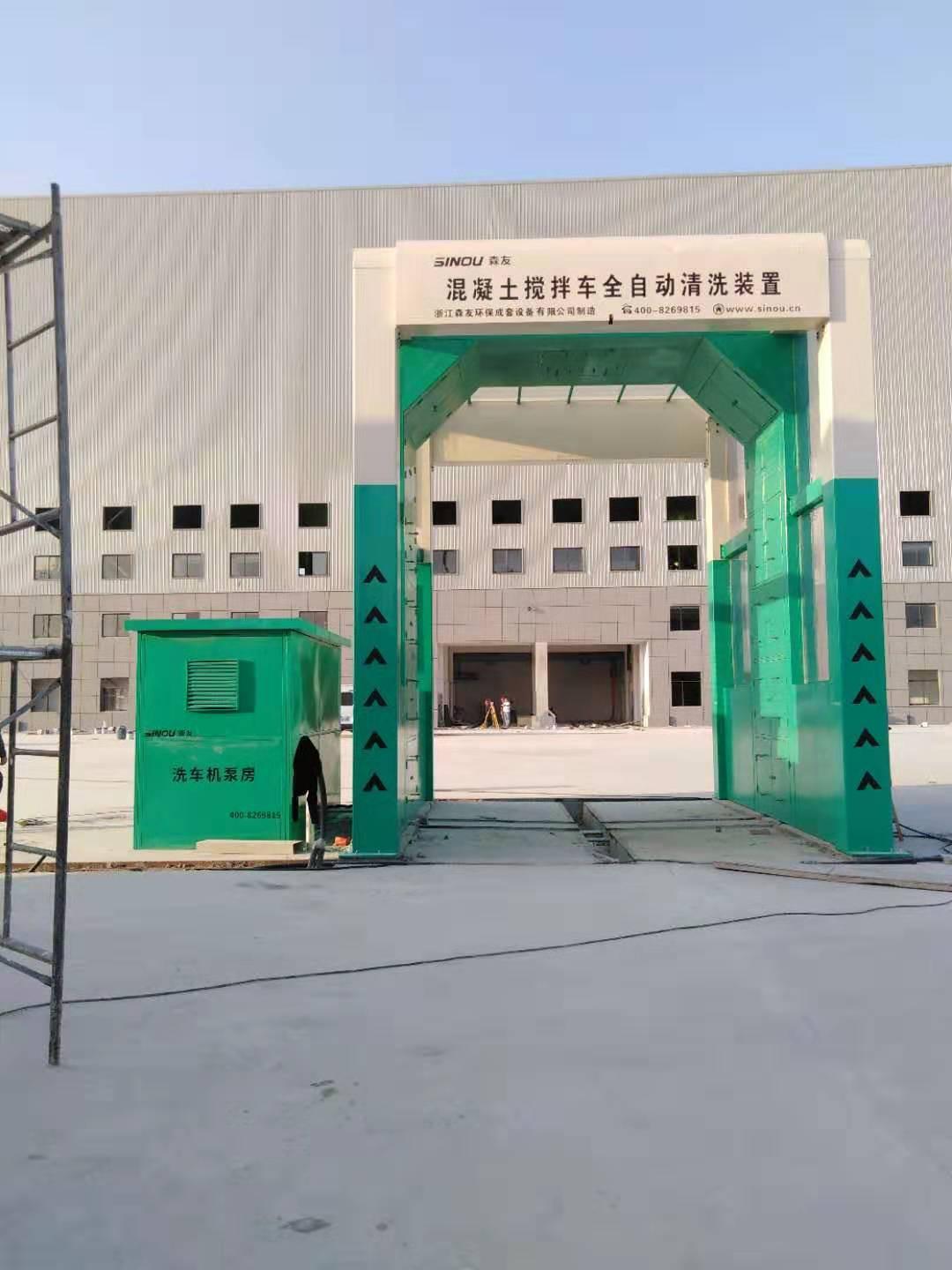
The first thing that surprises most fleet managers is how often automatic systems miss the same spots. It’s not a flaw in the machinery itself—it’s the basic physics of a truck’s shape. Air dams, mirror brackets, and deep rim edges create shadows that fixed spray arms can’t reach. Manual washing, on the other hand, lets a person adjust pressure and angle on the fly. That flexibility means the difference between a truck that looks clean from fifty feet and one that actually is clean when you run your hand along the frame rail.
Then there’s the question of time, which everyone assumes swings heavily in favor of automatics. That’s true if you measure only the moment the brushes hit the surface. But what about the setup, the pre-soak dwell time, the post-wash inspection, and the re-wash rate? Manual teams often build a rhythm that eliminates those gaps. A skilled crew working in tandem can push a truck through faster than a lone driver waiting for a bay to cycle—especially when the machine throws an error code mid-wash. The machine’s promise of “touchless in 90 seconds” rarely accounts for reality.
Cost is another area where the sales brochures gloss over the details. Automatic systems come with predictable payments, but also maintenance contracts, chemical lock-in, and electricity spikes. Manual wash setups carry labor costs, sure, but they can adapt instantly to seasonal grime—no reprogramming needed. There’s also a hidden benefit to manual washing that nobody talks about: the detail work. When a person wipes down door jambs, clears bug splatter from the windshield, or scrubs around the fuel cap, they’re catching early signs of wear, leaks, or damage. An automatic wash just keeps spinning.
How the Right Washer Can Slash Fleet Downtime in Half
A heavy-duty truck washer built for fleet demands doesn't just clean—it protects. When corrosive road salts, grime, and diesel soot are allowed to sit, they eat away at wiring, sensors, and brake lines, triggering breakdowns that pull vehicles off the road. The right washer attacks these contaminants with precision, using heated water and targeted pressure to strip away hidden threats before they become expensive repairs. This proactive approach keeps trucks rolling instead of idling in a maintenance bay.
Downtime often multiplies when a standard pressure washer can't keep up with a fleet's pace. Inconsistent cleaning leaves behind stubborn deposits that require re-washes or manual scrubbing, wasting technician hours. A properly specified automated or high-flow washer turns a bottleneck into a seamless part of daily operations. Integrated undercarriage blasters and adjustable wands cut cleaning time in half while ensuring no critical area is missed, freeing your crew to focus on inspections and preventive tasks.
Perhaps the biggest hidden win is data. Modern fleet washers can track usage patterns and flag vehicles that regularly return with excess buildup—a sign of a leaking seal or failing component. Catching these clues early prevents roadside failures that would otherwise cripple schedules. When every hour of uptime counts against tight delivery windows, the washer shifts from a supporting role to a strategic asset, directly extending service intervals and slashing unplanned repair days by 50% or more.
Field-Tested: Real Stories from Fleet Managers Who Switched
When Mark took over logistics at a mid-sized distribution company, the fleet was running on a patchwork of spreadsheets and gut feelings. Downtime was unpredictable, fuel costs were eating into margins, and drivers were frustrated with the lack of communication. He started looking for something that could tie everything together without adding more administrative headaches. The switch wasn't seamless—there were late nights and a few heated meetings—but once the new system clicked, the difference was immediate. Tracking wasn’t just about location anymore; it became a way to see engine health, driver habits, and even which routes were bleeding money. Six months in, they cut idle time by nearly a third and saw a 15% drop in unplanned maintenance.
A different story came from Jen, who managed a regional fleet for a cold chain operation. Her biggest pain point was temperature compliance and the constant fear of spoilage during transport. The old setup relied on manual logs and driver honesty, which was about as reliable as a paper umbrella in a storm. After switching to a unified fleet platform, the real-time alerts caught a reefer issue mid-route, saving a $20,000 load that would have otherwise been written off. “It’s not just about the big saves,” she mentioned, “it’s the quiet confidence you get knowing you won’t get a frantic call at 3 a.m.” Her drivers also appreciated the shift—they went from feeling micromanaged to having a tool that actually made their day smoother.
Then there’s the story of a construction fleet that switched after years of loyalty to a legacy provider. The trigger? A near-miss accident that could’ve been prevented with better visibility. The new system’s dashcam integration and driver scoring turned safety from a paper policy into a daily practice. Within a year, their incident rate dropped by 40%, and insurance premiums followed suit. The fleet manager described the change as “going from a flip phone to a smartphone”—once you experience the clarity, you can’t imagine going back. None of these transitions were magic; they took effort and honesty about what wasn’t working. But the common thread was a willingness to move beyond the “we’ve always done it this way” mindset.
Beyond Water Pressure: Key Features That Make or Break a Wash System
When evaluating a wash system, it's easy to fixate on water pressure, but that's only part of the equation. A truly effective setup relies just as much on consistent flow rate and smart nozzle engineering. A system with erratic flow can drench one spot while barely misting another, leaving you with uneven cleaning and wasted water. High-quality nozzles with adjustable patterns—from a sharp jet to a wide fan—let you tailor the spray to the task, whether blasting mud off a truck or gently rinsing fragile plants.
The plumbing and hose design often hide the real pain points. A stiff, kink-prone hose turns a simple job into a wrestling match, while a pliable, reinforced one glides around corners without fighting back. Quick-connect fittings are another underappreciated hero; they let you swap attachments in seconds without drenching yourself. Internally, look for brass or stainless steel components over plastic, as they resist corrosion and stand up to years of hard use.
Ergonomics and storage details can make the daily difference. A well-balanced spray gun with a cushioned grip reduces hand fatigue during long sessions, and a trigger lock spares your fingers. Wall-mounted reels or compact designs keep the system tidy and prevent tripping hazards. Also consider modularity: the best wash systems grow with you, accepting foam cannons, undercarriage cleaners, or extension wands so you’re not starting from scratch when needs change.
Budgeting for Clean: What Top Fleets Actually Spend on Wash Equipment
When you dig into the numbers from leading fleets, a clear pattern emerges: they treat wash equipment as a strategic investment, not a grudging expense. Top performers typically allocate between $15,000 and $80,000 per bay for automated systems, depending on whether they opt for touchless, soft-touch, or hybrid configurations. But the real story isn't in the sticker price—it's in how they spread that cost over the equipment's expected lifespan, often 7 to 10 years, and weigh it against the tangible savings in labor hours, water reclamation, and reduced vehicle damage from poorly maintained manual washing.
What separates the leaders is their willingness to pay a premium for ruggedness and simplicity. One fleet manager in the Midwest swore off cheaper imported units after a winter of constant bearing failures; now they budget an extra 20% upfront for stainless-steel frames and heated bays, which cut downtime by 60%. They also build in recurring costs that rookies overlook—chemical injection system calibration, annual pump rebuilds, and software updates for touchless profiling—which can add $3,000 to $7,000 a year per lane. The smartest fleets negotiate these into multi-year service contracts right from the purchase, locking in pricing and guaranteeing response times.
It's not about spending more; it's about spending smarter. The best-run operations often employ a simple rubric: if the wash system doesn't pay for itself in under three years through labor reduction and increased wash frequency, they don't buy it. They track metrics hard—cost per wash, mean time between failures, chemical usage per vehicle—and let the data drive the next budget cycle. That approach has pushed some to skip in-house investments entirely and opt for outsourced mobile washing services during peak seasons, redirecting capital to other maintenance needs. There's no single magic number, only the principle that the budget must flex with the fleet's actual usage patterns and long-term growth plans.
FAQ
Leftover concrete and grime accelerate corrosion, hide structural cracks, and lead to DOT violations. Regular washing extends drum life and helps maintain resale value by preventing hardened buildup that can unbalance the drum.
Brush systems combine water and soft bristles to scrub off cement film without damaging paint, while high-pressure only can etch surfaces over time. Brushes are better for daily cleaning; high-pressure units work as periodic deep-clean tools.
Advanced models use heated water up to 90°C paired with biodegradable detergents, plus oscillating nozzles and targeted high-impact jets to safely loosen hardened concrete without abrasive blasting, which can weaken metal components.
Yes, several drive-through or in-bay options use sensor-guided arms and rotating nozzles to clean the entire exterior, including the drum and frame, in under 5 minutes. They still require periodic inspection but eliminate staff exposure to wet, slippery conditions.
Look for closed-loop systems with multi-stage filtration—screens, settlement tanks, and oil separators—that can reclaim over 90% of water. This not only cuts consumption but also keeps contaminated runoff from entering storm drains, which is a growing regulatory concern.
Some modular systems offer adjustable gantries and interchangeable spray profiles. They can clean a standard mixer, then be reconfigured for dump trucks or loaders, though throughput may drop if the fleet is mixed. Dedicated mixer machines are often faster.
Depending on local utility rates and system efficiency, a high-capacity automated wash can cost between $2 and $6 per truck. The figure drops further with rainwater harvesting or solar pre-heating, but initial investment is recouped through reduced labor hours and fewer repaint cycles.
Heated enclosures or trough systems combined with antifreeze-compatible pumps and glycol-loop heat exchangers keep the equipment functional down to -20°F. Some designs also include quick-dry air knives to remove standing water, minimizing ice formation on the truck afterwards.
Conclusion
Keeping mixer trucks clean is far more than an aesthetic concern—it’s a direct investment in operational efficiency and long-term equipment lifespan. Left unchecked, hardened concrete residue inside drums adds hidden costs that go well beyond basic maintenance, quietly eating into fuel economy, increasing wear on critical components, and inviting costly regulatory scrutiny. Many fleet operators underestimate just how much a poorly cleaned drum can raise running expenses, often until damage becomes impossible to ignore. The debate between automatic and manual washing systems further muddies the water: while manual methods appear cheaper upfront, they consistently fall short on consistency and safety, exposing crews to hazardous conditions and seldom matching the thoroughness of a purpose-built machine. A properly chosen automatic washer transforms a slow, labor-intensive chore into a rapid, reliable process, frequently slashing fleet downtime by half or more—turning washers from a grudging expense into a strategic asset.
Fleet managers who’ve made the switch from outdated or manual cleaning routines tell remarkably similar stories: the right washer pays for itself faster than expected, not just in saved labor but in avoided drum replacements and shortened shift hours. What separates top-tier systems from the rest isn’t raw water pressure alone, but a blend of intelligent nozzle design, adjustable cycle timing, and durability under continuous heavy use. Real-world experience shows that features like programmable wash patterns, high-torque rotation, and effective drainage matter more than flashy specs. When budgeting, leading fleets treat washing equipment as core infrastructure rather than an afterthought, allocating dollars toward systems that minimize water and chemical consumption while delivering a spotless result every cycle. Stepping up to a quality automatic washer redefines what “clean” means for a cement mixer fleet—shifting the focus from just looking tidy to genuinely protecting assets and maximizing every working hour.
Contact Us
Contact Person: HaiYan
Email: [email protected]
Tel/WhatsApp: +86 18957325588
Website: https://www.senyoubeton.com/