

ODM Feeding System: Design, Optimization, and Future Trends
2026-04-08
In the fast-paced world of industrial automation, the efficiency of feeding systems plays a crucial role in determining overall productivity. This blog explores the intricate world of ODM feeding systems, delving into their design, optimization strategies, and evolving trends. With Fanchang Machinery at the forefront of innovation, we uncover how these systems are revolutionizing material handling and paving the way for smarter, more sustainable manufacturing. Join us as we navigate the challenges and opportunities in this dynamic field, offering insights that will captivate engineers, managers, and technology enthusiasts alike.
Exploring Core Design Principles in ODM Feeding Systems
In ODM feeding systems, core design principles often revolve around flexibility to accommodate diverse manufacturing environments. Unlike off-the-shelf solutions, these systems must be tailored to specific client needs, emphasizing modularity and scalability. For instance, integrating advanced sensors and IoT connectivity can enhance real-time monitoring, allowing for quick adjustments in production lines without major overhauls. This adaptability not only improves efficiency but also reduces downtime, making it a critical factor in competitive industries.
Another key principle focuses on durability and maintenance simplicity. ODM systems are designed for long-term use in harsh industrial settings, so materials and components are selected to withstand wear and tear. Engineers prioritize ease of access for routine checks, incorporating intuitive interfaces and diagnostic tools that minimize technical support needs. By reducing the learning curve for operators, these systems foster smoother adoption and lower lifecycle costs, which is often a selling point for manufacturers seeking reliable partnerships.
Sustainability also plays a growing role in ODM feeding system design, with principles aimed at energy efficiency and waste reduction. For example, many systems now incorporate features like adjustable feed rates or recycling mechanisms to optimize resource use. This aligns with global trends toward greener manufacturing, offering clients not just functional benefits but also environmental credentials that can enhance brand reputation and compliance with regulations.
Key Optimization Techniques for Enhanced System Performance
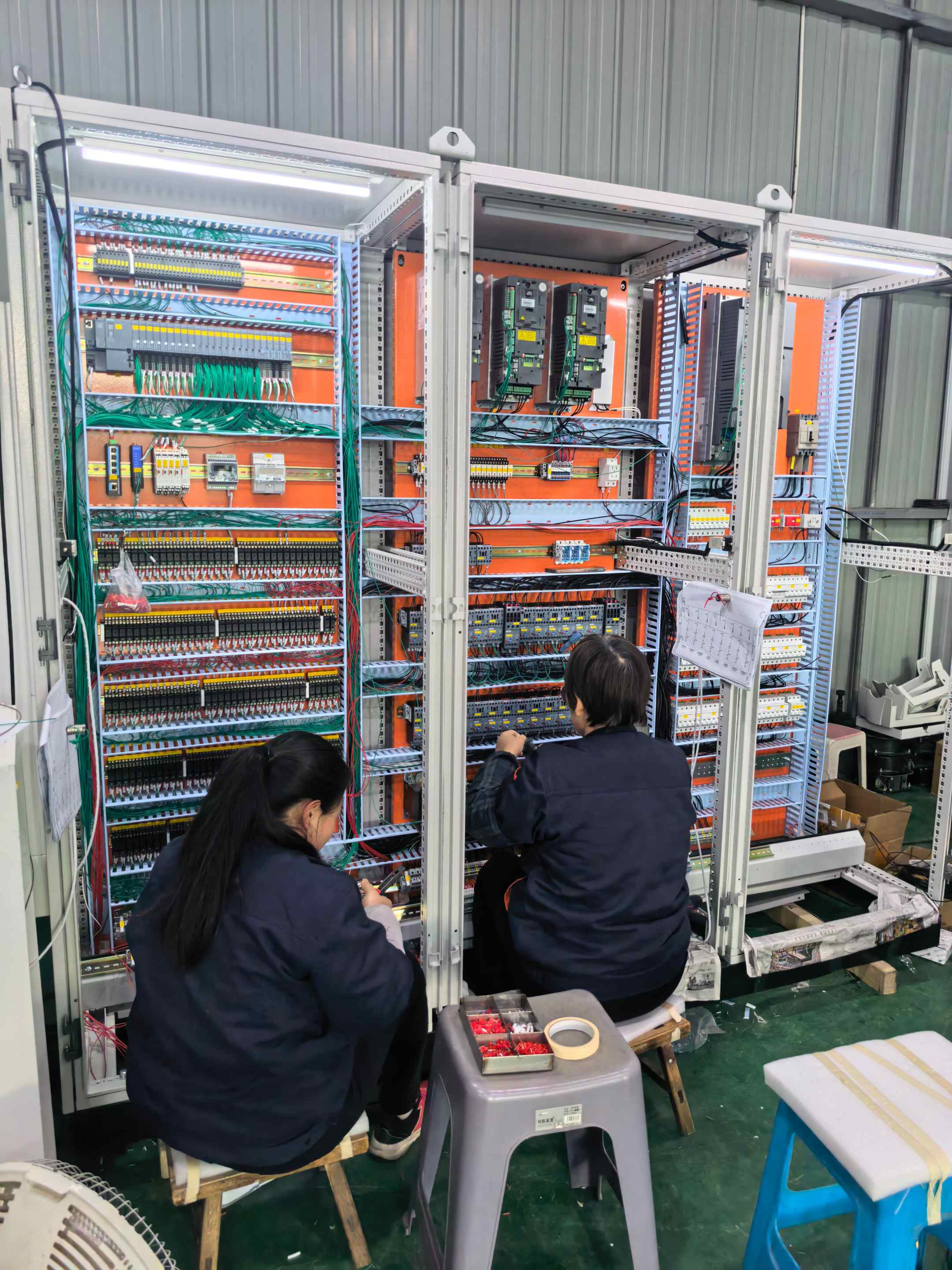
One effective method to boost system performance involves analyzing and refining code efficiency. By identifying bottlenecks through profiling tools, developers can focus on critical sections, such as looping structures or database queries, and apply optimizations like algorithm improvements or caching strategies. This proactive approach not only speeds up execution but also enhances resource utilization, making systems more responsive under varying loads.
Another crucial technique is scaling resources dynamically based on demand. Implementing auto-scaling mechanisms allows systems to allocate additional compute power or memory during peak usage, ensuring consistent performance without over-provisioning. This strategy, often supported by cloud platforms, helps maintain optimal operation while controlling costs, making it a practical choice for modern applications that experience fluctuating traffic.
Leveraging advanced data management practices can significantly enhance system throughput. Techniques such as indexing databases, compressing data storage, and utilizing in-memory processing reduce latency and improve data access speeds. By optimizing how information is stored and retrieved, systems can handle larger datasets more efficiently, leading to faster response times and a smoother user experience in data-intensive environments.
Innovative Future Trends Reshaping Feeding Technology
Feeding technology is undergoing a quiet revolution, shifting from mere automation to adaptive, precision-driven systems that prioritize animal welfare and resource efficiency. Instead of standardizing feed schedules, these innovations leverage sensors and AI to monitor individual animals in real-time, adjusting nutrition based on their weight, health, and behavior. This isn't just about feeding at set times—it's about creating a responsive environment where each animal's unique needs are met, potentially reducing waste and improving outcomes.
In practical applications, this translates to systems that detect subtle changes, like a cow's activity levels or a pig's appetite variations, and modify feed composition accordingly. Imagine a barn where feeders dispense custom blends of nutrients, all managed through cloud-based platforms that allow farmers to intervene only when necessary. This approach not only enhances productivity but also supports sustainability by optimizing ingredient use, making it a game-changer for modern agriculture as it evolves beyond traditional, one-size-fits-all methods.
Looking ahead, the integration of predictive analytics takes this further, enabling preemptive adjustments that can prevent health issues before they arise. By combining data from wearables, environmental sensors, and genetic profiles, future feeding systems could become proactive partners in livestock management. This focus on individual care and data-driven decisions sets these trends apart, positioning them not as incremental updates but as foundational shifts in how we think about nurturing animals efficiently and ethically.
Challenges and Solutions in System Integration and Scalability
Integrating multiple systems within an organization often presents a tangled web of interoperability issues, especially when legacy technologies clash with modern architectures. Data silos can create bottlenecks, as fragmented information flows hinder real-time decision-making and operational efficiency. These challenges are compounded by compatibility gaps between different software platforms and protocols, leading to costly downtime and frustration for users relying on seamless access across applications.
To address these hurdles, many teams adopt a microservices-based approach, which breaks down monolithic systems into smaller, independently deployable components. This strategy not only enhances flexibility but also allows for incremental updates without disrupting the entire ecosystem. Additionally, employing APIs as communication bridges facilitates smoother data exchange between disparate systems, reducing dependencies and enabling faster integration cycles. Cloud-native solutions further support this by providing scalable infrastructure that adapts to fluctuating demands, ensuring systems can evolve without extensive rework.
Beyond technical solutions, fostering a culture of collaboration and continuous improvement is key. By implementing robust monitoring and automation tools, organizations can proactively identify and resolve scalability issues before they escalate. This holistic mindset transforms integration from a one-time project into an ongoing process that drives innovation and resilience across the enterprise.
Sustainability and Efficiency: A Focus on Modern Feeding Solutions
In today's agricultural landscape, modern feeding solutions are transforming how we approach livestock management, blending sustainability with operational efficiency. By integrating advanced technologies and data-driven practices, these systems minimize waste and optimize resource use, fostering a more resilient and environmentally conscious approach to feeding. This shift not only supports healthier animal outcomes but also contributes to reducing the ecological footprint of farming operations, addressing global challenges like resource scarcity and climate change.
Innovations in precision feeding, for instance, allow farmers to tailor diets to individual animals based on real-time health and growth metrics, ensuring that nutrients are utilized effectively without excess. Automated feeders and smart monitoring tools further enhance efficiency by streamlining feeding schedules and reducing labor costs, while IoT-enabled devices provide insights that help prevent overfeeding and underfeeding. These advancements enable a more adaptive and responsive feeding strategy, crucial for meeting the demands of a growing population without compromising on sustainability goals.
Moreover, the adoption of sustainable feed ingredients, such as algae-based proteins or insect meal, complements these technological strides by offering eco-friendly alternatives to traditional feed sources. By focusing on circular economy principles, modern feeding solutions can repurpose agricultural by-products into nutritious feed, closing the loop in food production systems. This holistic approach not only boosts efficiency but also strengthens the long-term viability of farming, making it possible to achieve both economic and environmental benefits in harmony.
Real-World Applications and Case Studies of ODM Systems
In today's globalized electronics industry, Original Design Manufacturer (ODM) systems play a pivotal role by enabling brands to launch innovative products without the heavy upfront investment in design and manufacturing capabilities. For instance, a well-known smartphone company might collaborate with an ODM to develop a mid-range model, leveraging the ODM's expertise in hardware integration and supply chain management. This approach not only accelerates time-to-market but also allows the brand to focus on marketing and customer engagement, showcasing how ODMs facilitate agility in competitive markets.
Beyond consumer electronics, ODM systems are transforming sectors like automotive and healthcare. In the automotive realm, ODMs assist in producing specialized components such as infotainment systems or electric vehicle batteries, where customization and rapid prototyping are key. Similarly, in healthcare, ODMs contribute to manufacturing medical devices like portable monitors, ensuring compliance with strict regulations while reducing development costs for startups. These applications highlight the versatility of ODM partnerships in driving innovation across diverse industries.
Real-world case studies further illustrate the impact of ODM systems. Take a case from the wearable technology sector, where a fitness brand partnered with an ODM to design a smartwatch. The ODM handled everything from initial concept sketches to mass production, incorporating user feedback from beta testing to refine features like battery life and GPS accuracy. This collaboration resulted in a successful product launch within a tight budget, demonstrating how ODMs provide end-to-end solutions that blend technical prowess with market responsiveness, ultimately fostering growth for both parties.
FAQ
An ODM feeding system automates the supply of materials or components to assembly lines, enhancing efficiency and reducing manual labor in production processes.
Optimization reduces waste, minimizes downtime, and improves throughput, leading to lower operational expenses and higher profitability over time.
Key considerations include scalability for different production volumes, compatibility with existing machinery, and integration of sensors for real-time monitoring and control.
The adoption of IoT and AI allows for predictive maintenance and adaptive feeding rates, tailoring the system to dynamic production needs and preventing failures before they occur.
Challenges include high initial investment costs, the need for staff training on new technologies, and potential disruptions during the integration phase with legacy equipment.
Trends like increased use of robotics for precise handling, energy-efficient designs to support sustainability goals, and enhanced data analytics for continuous improvement are driving innovation.
Customization ensures the system meets unique industry requirements, such as handling delicate parts in electronics or heavy materials in automotive manufacturing, optimizing performance and safety.
Conclusion
The ODM Feeding System: Design, Optimization, and Future Trends explores the evolution of feeding technology through a multi-faceted lens. It delves into core design principles that form the foundation of efficient systems, emphasizing reliability and adaptability in diverse industrial settings. By examining key optimization techniques, the discussion highlights how performance enhancements can be achieved through strategic adjustments in automation and control mechanisms. Additionally, the analysis addresses challenges in system integration and scalability, proposing practical solutions that ensure seamless operation as demands grow. This integrated approach not only underscores current applications but also sets the stage for understanding the system's broader impact on modern manufacturing processes.
Looking ahead, innovative future trends are reshaping feeding technology, with a strong focus on sustainability and efficiency driving modern solutions. Real-world applications and case studies illustrate how ODM systems are implemented across various industries, showcasing their versatility and effectiveness. These examples demonstrate the tangible benefits of adopting advanced feeding systems, from reduced waste to improved productivity. Moreover, the emphasis on sustainability aligns with global efforts toward greener practices, making ODM systems a forward-thinking choice for businesses. Overall, this comprehensive overview highlights the dynamic interplay between design, optimization, and emerging trends, positioning ODM feeding systems as pivotal components in the future of industrial automation and resource management.
Contact Us
Contact Person: Darye WANG
Email: [email protected]
Tel/WhatsApp: 86-13501017897
Website: https://www.fcntd.com/