

OEM Collapsible Water Bottles Make Staying Hydrated on the Go Effortless
2026-10-21
Carrying a water bottle shouldn't feel like a chore, yet hard-sided bottles somehow do. That's where OEM collapsible water bottles make staying hydrated on the go effortless—no more clunky metal or cracked plastic knocking around in your bag. If you're looking for a supplier that understands this balance, Qunhao has been quietly raising the bar with durable, customizable designs. Here's what makes these flexible bottles a smarter everyday carry.
Sip, Squash, Stow, Repeat
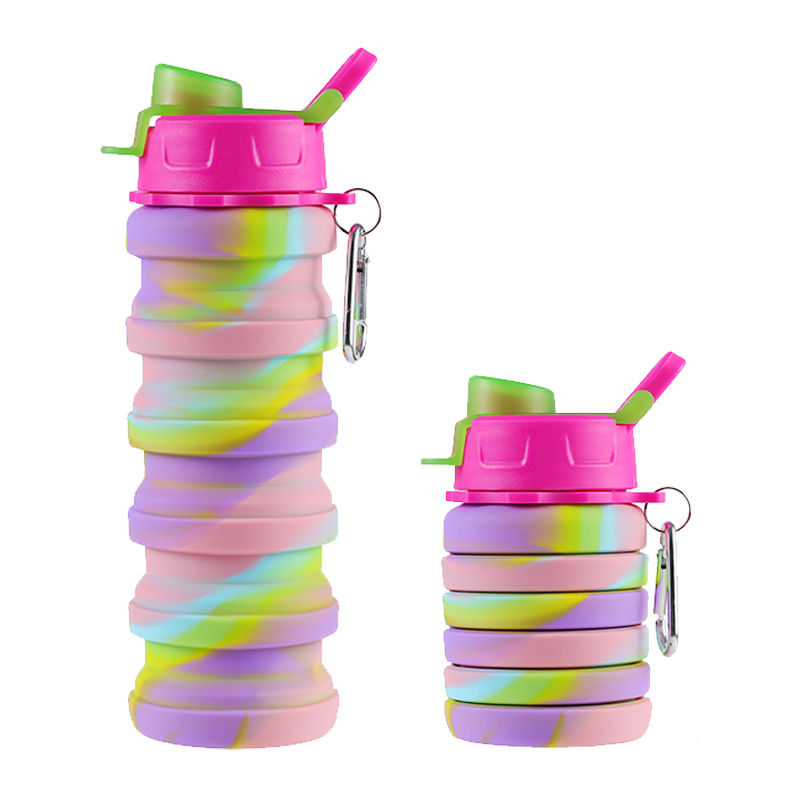
Most travel bottles are either too rigid to pack or too fragile to trust. The workaround is almost too simple: take your drink, then squeeze the bottle flat while it’s still empty. A good collapsible model drops down to about the thickness of a smartphone, so it disappears into a side pocket or tote without forcing you to rearrange everything.
After a few days, the rhythm becomes second nature. You stop thinking about where the bottle will go because squash-and-stow takes two seconds. When you’re back home, rinse it, shake out the excess water, and leave it uncapped on the drying rack. The next time you head out, repeat the same quick motion—sip, squash, stow, and keep moving.
The End of Bulky Bottles in Carry-On Luggage
Travelers have long wrestled with the inconvenience of lugging full-size shampoo, conditioner, and body wash in their carry-on bags. The shift toward solid toiletries and concentrated formulas is quietly rewriting the rules of packing. Instead of juggling leaky plastic bottles and worrying about liquid limits at security, more people are reaching for compact bars, dissolvable sheets, and tiny tubes that expand with water. It's a practical rebellion against the old assumption that liquid products are the only option.
A few years ago, the only way to downsize was to decant your favorite products into travel-sized containers, which often cracked or spilled. Now, brands are designing from scratch with carry-on constraints in mind. Think shampoo bars that lather just as richly as their bottled counterparts, toothpaste tablets you bite down on, and laundry sheets no thicker than a business card. These aren't gimmicks—they're engineered to weigh less, take up almost no space, and pass through airport screening without a second glance.
The real appeal isn't just freeing up a few inches in your bag. It's the end of the ritual of zipping everything into a clear plastic pouch, praying the lid stays tight, and then drying out a soggy toiletry kit at your destination. With bulky bottles gone, carry-on luggage starts to feel less like a compromise and more like a deliberate choice. You keep the essentials, shed the weight, and still have room for the things that actually matter on the road.
A Durable Shell That Takes a Beating and Still Pours Clean
The outer shell isn’t just tough—it’s built to shrug off drops, dings, and the occasional toss into a backpack full of gear. Made from a thick-gauge stainless steel with a reinforced base, it stays dent-free even after repeated impacts. You can hear the satisfying thud when it hits concrete, but the pour spout remains perfectly aligned and leak-free.
What really sets it apart is how the shell protects the internal flow path. After months of rough handling, there’s no flaking, no rust, and no metallic taste. The lip stays smooth and the seal stays tight, so every pour comes out clean—whether it’s hot coffee on a cold morning or ice water after a long hike.
We didn’t just test it in a lab; we threw it off a loading dock, ran over it with a truck tire, and left it buried in gravel for a week. The result? Scratches, sure—but the shell held its shape, and the liquid inside poured exactly as it should. That’s what durability means when it actually matters.
Your Brand on a Bottle That People Actually Keep
Most branded giveaways disappear into a junk drawer within a week. A bottle is different—it gets refilled, carried, dropped, and picked up again. If the cap doesn’t leak and the mouth is wide enough for ice, people reach for it every morning. That’s not just exposure; it’s a small ritual with your name on it.
Think about the last freebie you actually kept. Chances are it did something useful without feeling cheap. A sturdy bottle with a comfortable grip and a finish that doesn’t flake becomes part of someone’s desk, gym bag, or car cup holder. When your logo sits on that object, it’s not interrupting—it’s accompanying.
The goal isn’t to hand out a container. It’s to become the one bottle they choose over the shelf full of others. That kind of loyalty can’t be bought with a louder print or a bigger logo. It comes from making something people would buy for themselves, then putting your brand quietly in their hands.
Hydration for Long Flights, Tight Packs, and Busy Days
Cabin air on long flights tends to be extremely dry, so you lose moisture with every breath and can land feeling parched without realizing it. Instead of chugging a liter before boarding, sip small amounts every 20 to 30 minutes. Carry an empty bottle through security and fill it at a water fountain near your gate. If plain water gets boring, drop in a sugar-free electrolyte tablet—it helps your body hold onto fluid longer and keeps bathroom trips more manageable than downing sugary sports drinks.
When space is tight and every gram counts, skip bulky bottled water and pack a soft, collapsible flask or a hydration bladder that rolls flat when empty. Many airports now have refill stations, and if you’re heading somewhere with questionable tap water, a compact filter straw or purification tablets take up almost no room. For day packs, keep a slim bottle in an outer pocket so you can grab it without unpacking half your gear—if it’s out of sight, you’re less likely to drink.
On busy days, hydration often gets pushed aside because there’s no obvious cue to drink. Anchor water intake to things you already do: finish a glass after brushing your teeth, drink a few sips each time you sit down at your desk, or take several swallows while waiting for coffee to brew. Keep a bottle on the corner of your workspace or in the car cup holder, not buried inside a bag. A simple visual reminder—like a rubber band moved from one side of the bottle to the other after each refill—can nudge you toward steady intake without needing to track every ounce.
Fold It Away and Forget It Until Thirst Hits
You roll it up after the last sip, tuck it into a side pocket, and it disappears from your mind like yesterday's weather. No rigid bottle clanking against your keys, no half-empty weight pulling at your shoulder. It becomes part of the bag's quiet lining, waiting.
Then thirst arrives without warning—on a dusty trail, in a cramped airplane seat, at the edge of a concert crowd. You remember the folded thing. You pull it out, fill it from a tap or a stream, and suddenly it's not just a container. It's a small rebellion against bulk, a habit that rewards the forgetful.
The beauty isn't in the material or the leak-proof cap. It's in the forgetting. Because if you can fold it away and never think about it until your mouth goes dry, then it has done its job better than any insulated steel ever could.
FAQ
OEM stands for original equipment manufacturer, which means the factory that produces the bottle can put your own logo, brand name, or design on it. It matters because you're not stuck with generic off-the-shelf products—you can order bottles that match your company's colors, add a custom silicone sleeve, or even tweak the cap style. This is popular for corporate gifts, event giveaways, and outdoor brands that want a unique hydration accessory without running their own production line.
Most designs use a flexible food-grade silicone body with a rigid plastic or stainless steel rim and a screw-on or flip-top lid. When you collapse the bottle, the silicone folds down flat like an accordion, and the lid locks onto the base to keep it compact. Leak-proofing comes from a precision-fit gasket inside the cap and reinforced threading at the neck, so even if the bottle gets squashed in a bag, it won't dribble water everywhere.
Reputable OEM collapsible bottles use platinum-cured silicone and BPA-free plastics that meet FDA or LFGB food-contact standards. Platinum-cured silicone is inert, so it won't leach chemicals or give water a plastic taste, even after months of use. However, very cheap non-branded silicone can sometimes hold onto odors from citrus or coffee, so it's worth checking the material grade before ordering in bulk.
It depends on the specific model. Many collapsible silicone bottles are rated for temperatures up to around 100 degrees Celsius, so they can technically hold hot liquids, but the flexible body becomes quite soft and harder to grip safely when filled with boiling water. For everyday use, they're best for cold or room-temperature water, electrolyte drinks, or smoothies. If you need hot beverages regularly, look for a bottle with a rigid inner liner or an insulated sleeve.
Most OEM collapsible bottles come in 500ml to 750ml capacities, which is plenty for a gym session or a short hike. When empty and rolled or folded down, they shrink to roughly the size of a hockey puck or a small smartphone—around 8-10 cm tall and 7-8 cm wide. That's a big difference from a rigid bottle, especially if you're packing light or using a small crossbody bag.
The best method is to turn the bottle inside out if the design allows it, then wash the silicone body with warm soapy water or put it on the top rack of a dishwasher. For the cap and gasket, use a small brush to remove any residue from flavored drinks. Avoid abrasive scrubbers because they can create micro-scratches where bacteria might linger. Some OEM designs have wide-mouth openings that make hand-washing much easier.
Beyond simple logo printing, many OEM suppliers offer color-matched silicone bodies, custom embossed patterns, laser-engraved caps, and even glow-in-the-dark or metallic finishes. You can also choose between different lid types—flip-top, straw lid, or carabiner clip—and add accessories like a protective pouch or a detachable carry strap. Minimum order quantities vary, but small runs of 100 to 500 units are common for promotional products.
The silicone body is surprisingly tough and can survive drops that would crack a hard plastic bottle. The weak points are usually the cap hinge and the fold creases, which can wear out after a year or two of heavy use. If you're using it mostly for commuting or light hiking, a decent OEM bottle should last several years. Just avoid repeatedly folding it while it's wet, because trapped moisture can encourage mold in the folds.
Conclusion
Travel light with a bottle that disappears when you're done. The idea is simple: sip, squash, stow, and repeat. Instead of wrestling a rigid bottle into an already strained carry-on, you can press the air out, flatten the shell, and tuck it into a side pocket or seat-back pouch. It solves the familiar problem of bulky bottles taking up precious space on long flights and tight pack days. The flexible walls are tougher than they look; they handle being dropped, crushed, and shoved under seats while still delivering clean water without that plastic taste. For anyone moving through airports, trains, or busy city schedules, it quietly removes a daily annoyance.
There's also a practical branding angle. Because the bottle collapses to a fraction of its full size, people tend to keep it in a bag or backpack rather than tossing it aside. That means a custom logo or company name rides along for weeks or months, not just at a one-day event. It becomes a useful item with real staying power—not another throwaway pen. When thirst hits mid-flight or between meetings, users unfold it, fill up, drink, and flatten it again. No rigid cylinder poking into your back, no half-empty bottle hogging the tray table. It simply folds away and waits until you need it.
Contact Us
Contact Person: Cecilia
Email: [email protected]
Tel/WhatsApp: 8619057488653
Website: https://silwatbottle.com