
OEM Flame Resistant Shirts for Ultimate Workplace Safety
2026-07-16
When it comes to workplace safety, wearing the right gear isn't just a requirement—it's a lifeline. For industries where fire hazards are a daily reality, DROTEX OEM flame resistant shirts set the standard for protection that never compromises on comfort. Built to withstand extreme conditions while offering a customized fit, these shirts are engineered for those who need reliable defense without sacrificing mobility. Whether you're on the rig or in the factory, discover why DROTEX is the trusted choice for companies serious about safety.
Why Flame Resistance Matters in High-Risk Work
In environments where a single spark can ignite disaster, flame-resistant clothing isn't just gear—it's a last line of defense. Workers in oil refineries, electrical utilities, and chemical plants face invisible threats every shift: arc flashes that reach temperatures hotter than the sun's surface, combustible dust that hangs in the air like a ticking bomb, and flash fires that consume oxygen in an instant. Standard workwear can melt into the skin, fueling injuries that are often more devastating than the initial burn. Flame resistance gives those critical seconds needed to escape, to smother flames before they spread, and to survive what would otherwise be a catastrophic event.
The science behind the fabric tells a quiet, life-saving story. Unlike conventional synthetics that ignite and drip, flame-resistant materials are engineered to self-extinguish. When exposed to extreme heat, the fibers char and create an insulating barrier, slowing thermal transfer and reducing burn severity. This isn’t just about passing a test; it’s about the real-world physics of survival. A properly chosen garment buys time—and in a flash fire, time is measured in heartbeats. It also stays intact long enough to preserve the dignity of escape, preventing clothing from becoming a secondary hazard that worsens injuries.
Beyond the technical specifications, there’s a human element that often goes unspoken. Workers who trust their protective gear focus better, move more confidently, and return home without scars that would alter family life forever. Companies that invest in high-quality flame resistance signal a commitment that transcends compliance—they build a culture where safety is woven into every shift, not just printed in a manual. It’s a quiet pact: when the unthinkable happens, the fabric holds, the burn unit stays unfamiliar, and the story from that day remains one of a close call, not a tragedy.
Selecting the Right OEM Partner for FR Shirts
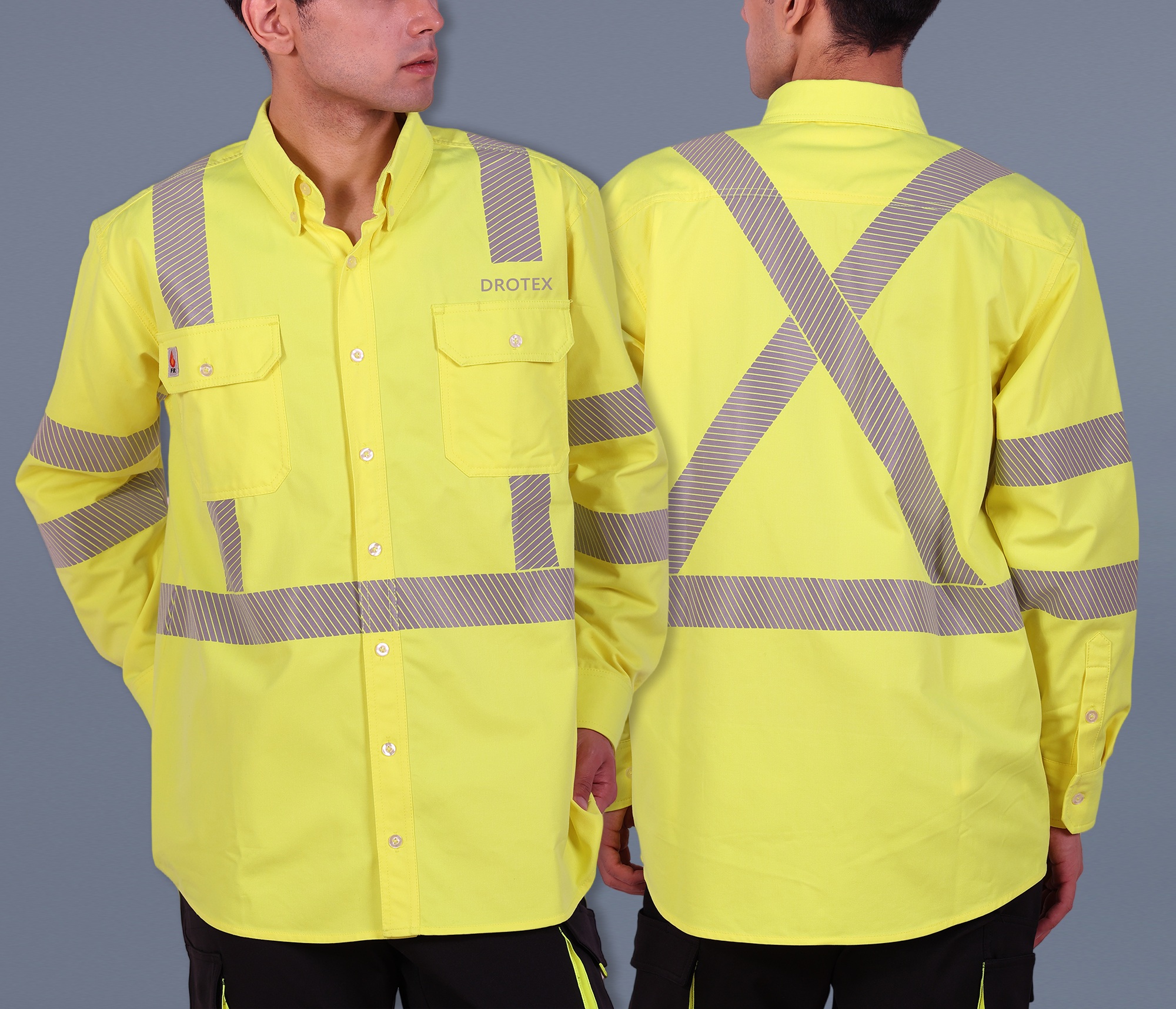
Finding a manufacturer that truly understands the nuances of flame-resistant apparel goes far beyond checking boxes for certifications. While industry standards like NFPA 2112 or ASTM F1506 are non-negotiable, the right OEM partner will do more than just meet requirements on paper. They'll demonstrate an instinctive grasp of how FR fabric behaves after industrial laundering, how different thread compositions affect seam integrity under heat, and why subtle adjustments in garment construction can mean the difference between a shirt that merely passes a lab test and one that consistently protects workers in the field. Look for a partner who asks detailed questions about your workforce's specific risk scenarios instead of simply quoting a catalog. Their engineers should be able to discuss the merits of inherent versus treated FR technologies without resorting to generic marketing speak, proving they've actually observed performance degradation patterns over repeated wear cycles.
Supply chain stability often separates reliable partners from opportunistic vendors. A factory that stocks core FR fabrics from multiple qualified mills, rather than relying on a single source, signals both preparedness and industry commitment. Probe their material lead times during peak season—a transparent answer reveals operational maturity, while hesitation suggests they might prioritize larger clients during shortages. Equally telling is how they handle minimum order quantities. A partner that creatively works with smaller brands through shared production runs or phased inventory programs demonstrates flexibility that rigid, high-volume factories lack. Pay attention to their quality control documentation too: the best partners will voluntarily share detailed reports showing stitch-per-inch audits, button pull-strength tests, and after-wash shrinkage measurements without you having to demand them.
The human element often gets overlooked when vetting FR shirt manufacturers, yet it's frequently the differentiator between competent and exceptional. During factory visits or virtual audits, observe whether line supervisors can articulate why specific sewing machine settings matter for flame-resistant thread, or if they simply follow standard operating procedures. Check how they train new workers on FR-specific techniques like flat-felled sleeve seams that avoid thread breakage under thermal stress. True OEM partners invest in dedicated teams who understand that an FR garment isn't just another shirt—it's safety equipment. These manufacturers tend to have lower employee turnover in their FR production lines, a metric worth requesting discreetly. When workers stay long enough to develop instinctive quality awareness, you'll see fewer hidden defects like mismatched button threads that could melt differently than the garment fabric, creating unexpected burn risks.
Material Science Behind Modern Flame Resistant Fabrics
Modern flame resistant fabrics don’t just rely on a single trick—they orchestrate a delicate balance between polymer chemistry, fiber engineering, and clever textile design. At the heart of it all is the concept of char formation: when exposed to heat, certain materials undergo a chemical transformation that creates a tough, carbonaceous outer layer. This char acts as a physical shield, blocking oxygen from fueling the fire further and insulating the underlying fibers from catastrophic thermal breakdown. It’s a dynamic, self-sacrificing reaction that turns the fabric surface into a protective shell, buying precious seconds in a flash-fire scenario.
Yet not all fire-resistant materials swap their structure for carbon in the same way. Inherently flame-resistant fibers—like aramids and certain polybenzimidazoles—owe their resilience to the strong aromatic bonds within their polymer chains. These bonds demand considerably more energy to break than the aliphatic backbones of everyday synthetics, so the fabric doesn’t simply melt or drip. Instead, it may soften and char without losing its structural integrity, keeping the human skin behind it shielded from direct flame impingement. Meanwhile, FR-treated cottons or cellulosic fabrics take a different route: they are infused with phosphate-based compounds that catalytically alter the cellulose decomposition pathway, redirecting it away from flammable tars and toward that same protective char.
The real art, though, lies in how these materials handle the secondary hazards. Fabrics engineered with intumescent coatings, for instance, swell into a thick, insulating foam when heated—a design borrowed from architectural fireproofing—while novel blends of spun fibers can dissipate heat laterally, preventing hot spots. Some even incorporate phase-change materials that absorb latent heat, delaying temperature rise without adding bulk. All of these strategies converge on a single goal: not to make fabric invincible, but to distort the fire triangle long enough to matter. It’s a material science balancing act where every ingredient—from the weave density to the thermal emissivity of the finish—is precisely dialed in to fight flames with both chemistry and physics.
Balancing Comfort and Protection in Daily Wear
Striking the right balance between feeling at ease and staying safe in your everyday outfits isn't always straightforward. Many of us gravitate toward the softest fabrics and loosest cuts, forgetting that a little structure can shield us from scrapes, sun, or unexpected spills. The trick lies in choosing pieces that offer both—think lightweight, breathable materials with reinforced seams or discreet padding that doesn't compromise on a relaxed silhouette.
It also pays to pay attention to the details that blend protection into the background. A shirt with a collar that stays crisp without scratching, trousers with a hidden knee layer for those who kneel often, or footwear that cushions every step while guarding against sharp objects—these thoughtful touches turn basic garments into reliable allies. When comfort and protection work together, you move through your day without having to think about what you're wearing, which is exactly the point.
Ultimately, daily wear should feel like a second skin that quietly looks out for you. Experiment with hybrid designs that merge the softness of loungewear with the durability of outdoor gear. Look for fabrics that wick moisture yet resist abrasion, or cuts that allow free movement while covering vulnerable areas. The goal is clothing that supports your life, not something you have to adjust, tug, or worry about—so you can focus on everything else that matters.
Compliance Standards You Can’t Afford to Overlook
Staying compliant isn’t just about avoiding fines—it’s about safeguarding the trust your customers place in you. Regulations like GDPR and CCPA have reshaped how companies handle personal data, and falling behind on these isn’t an option. Even a single oversight can lead to legal trouble and reputational damage that takes years to repair.
Healthcare providers must grapple with HIPAA, while businesses handling card payments face PCI DSS requirements. The landscape is complex, but ignoring sector-specific rules invites disaster. Audits, breaches, and lawsuits often stem from assuming a standard doesn’t apply when it actually does. Staying informed is the bare minimum.
Regular audits and employee training turn compliance from a chore into a habit. Standards evolve, and what worked last quarter might leave you exposed today. Relying on outdated policies is a gamble you don’t want to take. A proactive approach keeps you ahead of scrutiny and shows you’re serious about protecting what matters.
Long-Term Cost Benefits of Quality FR Work Shirts
Investing in high-quality FR work shirts might seem like a larger upfront expense, but it pays off over time. Cheaper alternatives often wear out quickly, requiring frequent replacements that add up. Premium FR shirts are built from durable materials and reinforced stitching, so they withstand harsh conditions and repeated industrial laundering without losing their protective properties. This longevity means fewer purchases and less downtime spent sourcing new gear, which directly impacts your bottom line.
Beyond just durability, quality FR garments maintain their flame-resistant characteristics wash after wash. Inferior products can degrade after several cycles, putting workers at risk and forcing early retirement of the shirt. With top-tier FR work shirts, you avoid the hidden costs of compromised safety and the potential liabilities that come with it. Plus, consistent compliance with industry safety standards reduces the chance of fines or work stoppages, preserving your operational budget.
Another financial advantage is the positive effect on employee morale and retention. When workers are provided comfortable, long-lasting FR shirts that actually fit and perform well, they’re more likely to stay with the company. Lower turnover saves recruitment and training expenses. Over the lifespan of the garment, the per-wear cost becomes significantly lower than that of disposable or inferior shirts, making quality FR work shirts a smart long-term investment.
FAQ
OEM stands for Original Equipment Manufacturer. These shirts are produced by a manufacturer but can be branded and sold by another company. In terms of flame resistance, they’re built with materials that resist ignition and self-extinguish when exposed to fire, providing essential protection in hazardous work environments.
They’re not just a safety requirement—they save lives. In settings with fire risks, standard clothing can rapidly ignite, leading to severe injuries. Flame resistant shirts give workers a critical escape window by stopping flames from spreading.
You’ll find them in oil and gas, electrical utilities, welding, chemical processing, and even some manufacturing lines. Basically, any role with spark, arc flash, or combustible dust hazards demands this kind of protection.
Look beyond price. Check the fabric weight and breathability for comfort during long shifts. Ensure the fit allows movement without being loose. And always confirm it meets the relevant safety standards for your industry.
In North America, key standards include NFPA 2112 for flash fire protection and ASTM F1506 for arc flash. In Europe, EN ISO 11612 is common. Always check the garment label to see which certifications it holds.
Absolutely. Most manufacturers offer custom embroidery or printing using flame-resistant threads and inks so the safety properties aren’t compromised. It’s a simple way to maintain both safety and brand identity.
Regular washing with mild detergents is fine. Avoid fabric softeners, bleach, or starch—they can coat fibers and reduce flame resistance. Hard water can also leave mineral deposits, so consider softening if needed. Always follow the care label.
Conclusion
In high-risk industries where fire hazards are a daily reality, flame resistant (FR) clothing is not just a precaution—it’s a necessity. The right FR shirt can mean the difference between a minor incident and a catastrophic injury. Modern OEM flame resistant shirts leverage advanced material science to provide reliable thermal protection while maintaining the comfort workers need for long shifts. Fabrics are engineered with inherent or treated flame-resistant properties that don’t wash out, ensuring consistent defense against flash fires, electric arcs, and molten metal splashes. Equally important is how these garments feel on the body; a well-designed FR shirt wicks moisture, breathes, and moves with the wearer, reducing fatigue and encouraging continuous wear. Of course, none of this matters without strict adherence to compliance standards such as NFPA 2112, NFPA 70E, or ASTM F1506, which validate that the gear has been tested and certified for real-world hazards.
Choosing the right OEM partner for FR shirts is a strategic decision that impacts workplace safety and bottom-line costs. A reputable manufacturer not only delivers consistent quality and certification but also offers customization for brand identity and fit preferences. While the initial investment in premium FR shirts may be higher, the long-term savings from durability, reduced replacement frequency, and lower injury-related expenses make it a sound financial move. Ultimately, OEM flame resistant shirts that combine cutting-edge fabric technology, ergonomic design, rigorous compliance, and a trusted supply chain empower workers to perform confidently in dangerous environments—making ultimate workplace safety an achievable standard.
Contact Us
Contact Person: Sandy
Email: [email protected]
Tel/WhatsApp: 86150 8310 5120
Website: https://www.frdrotex.com