

Plastic Packaging Company Leads the Shift to Sustainable Packaging
2026-07-27
What if the packaging protecting your groceries could also protect the planet? Sanrong Packaging is turning that vision into reality, leading a bold shift away from single-use plastics toward solutions that are as kind to the earth as they are to your products. In a world drowning in waste, their innovative approach isn't just smart business—it's rewriting the rules of an entire industry.
Rethinking Plastic: Our Journey Toward a Circular Future
Plastic has long been a symbol of convenience, but its persistence in the environment forces us to rethink the entire lifecycle. From production to disposal, our current linear model creates waste that chokes oceans and landfills. The shift starts by designing materials not for a single use, but for perpetual cycles—where every bottle, wrapper, or container becomes a resource rather than rubbish.
Embracing circularity means reimagining how we collect, sort, and reprocess plastic. It’s about smarter technologies that break polymers back into building blocks, and systems that loop them into new products without degrading quality. This isn’t just recycling as we know it; it’s a fundamental redesign of material flows, where waste is designed out from the beginning.
Our journey isn’t linear either. It involves collaboration across industries, communities, and governments to rewrite the rules of production and consumption. By investing in refill models, alternative materials, and innovative recovery infrastructure, we’re slowly turning the tide—proving that a circular future for plastic isn’t just an ideal, but a practical, unfolding reality.
From Waste to Resource: Giving Plastic Packaging a Second Life
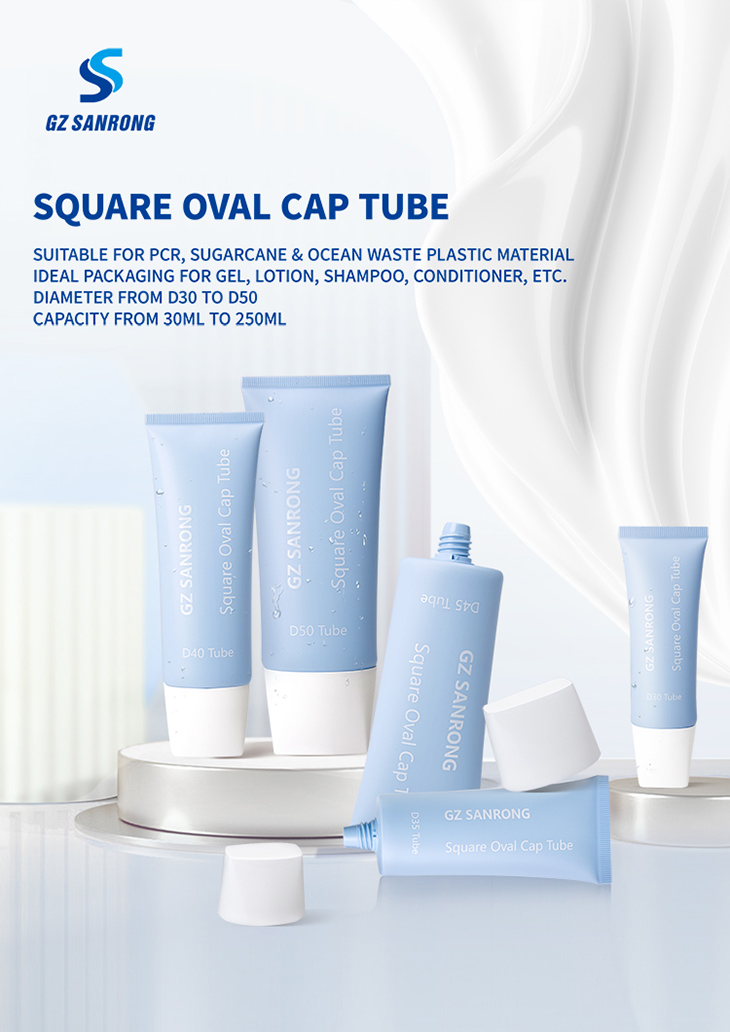
The sheer volume of plastic wrapping, pouches, and containers that pass through our hands each week is staggering. These materials, designed for brief moments of utility, often end up in landfills or scattered across natural landscapes, persisting for centuries. Yet within this linear model lies an overlooked opportunity: what if the packaging that protects our food and goods could be deliberately cycled back into productive use? The shift from seeing plastic packaging as disposable trash to a valuable technical nutrient is not just an environmental imperative but a practical redesign of material flows, one that asks for smarter collection, better sorting, and creative re-manufacturing approaches.
True transformation starts with breaking the habit of downcycling. Instead of simply shredding mixed plastics into low-grade products for limited applications, advanced mechanical and chemical processes now allow us to recover polymers with near-virgin quality. For instance, multilayer films and colored PET bottles—once considered unrecyclable—can be separated, decontaminated, and repolymerized into food-grade packaging or durable textiles. This technical evolution is matched by design decisions: companies are beginning to strip away unnecessary additives and adopt mono-material structures that simplify reprocessing, effectively planning the package's next life from the drawing board.
The real-world impact of this circular thinking is evident in communities where collection and reprocessing systems have matured. Local sorting facilities, often partnering with brands, are capturing flexible packaging and converting it into construction boards, outdoor furniture, or even new packaging. These loops keep materials in use, reduce the need for fossil feedstocks, and cut greenhouse gas emissions substantially. When paired with policies that incentivize recycled content and penalize wasteful design, the journey from waste to resource is no longer an abstract ideal—it becomes a visible, scalable reality that reshapes how we value everyday materials.
Materials with a Mission: Breaking the Mold on Traditional Plastics
There comes a point where the familiar feel of single-use plastic becomes disquieting— its convenience weighed against stubborn persistence in landfills and oceans. The new wave of materials steps beyond mere durability, embedding purpose at the molecular level. These aren't just replacements; they're intentional, with properties that respond to their environment, decay gracefully, or nourish the soil once their job is done. The shift is as much philosophical as it is chemical: what if our objects were never meant to last forever, but to serve a temporary need and return to the earth without a trace?
Researchers and small labs are cracking open the potential of feedstocks that have long been overlooked—agricultural waste, mycelium networks, even bacterial cultures that spin fibers from methane. Each carries a distinct personality: mushroom-based packaging grows into shape, needing no heat or heavy machinery, while algae-derived films dissolve safely in water, leaving no microplastic legacy. It's a messy, thrilling departure from the sterile uniformity of petroleum-based polymers. Instead of chasing the perfect inert material, innovators are embracing living systems, tweaking metabolism and life cycles to produce structures that rival conventional strength but with an entirely different end-of-life story.
This isn't about vilifying all plastics; it's about breaking the monoculture of material choice. By designing with disassembly and regeneration in mind, these mission-driven materials challenge the assumption that performance must come at an environmental cost. They invite a deeper question: can we build a material world that collaborates with natural cycles instead of disrupting them? The answer is taking shape in small batches, pilot plants, and open-source recipes, signaling that the future of materials might just be grown, not extracted.
United for Impact: Partnerships Powering the Sustainability Shift
Real sustainability progress doesn’t happen in isolation. It emerges when organizations and communities align their expertise and resources toward a shared vision. These alliances break down silos, allowing bold ideas to scale faster and reach further than any single entity could manage alone.
The most compelling transformations we see today stem from co-creation—where nonprofits, businesses, and governments actively listen, adapt, and build solutions together. By sharing risks and rewards, partners unlock innovations that address root causes rather than symptoms, turning long-standing challenges into opportunities for systemic change.
What sets these collaborations apart is a genuine commitment to mutual accountability. It’s not about logo placements or press releases; it’s about weaving sustainability into the fabric of decision-making. When partners challenge each other and stay transparent about setbacks, trust deepens—and that trust becomes the fuel for lasting, meaningful impact.
Designing Out Waste: How Smarter Packaging Reduces Footprints
For years, packaging was treated as an afterthought—something to wrap a product in and then discard. But the tide is shifting. Companies are now rethinking materials, shapes, and systems from the ground up, aiming to eliminate waste before it’s ever created. This means moving beyond recycling toward a model where packaging either vanishes safely back into the environment or cycles endlessly without losing value.
The real innovation lies in questioning the very need for certain layers. Does that shrink wrap actually protect the product, or is it just habit? By shifting to structural designs that lock items in place without plastic, or using compostable films derived from agricultural byproducts, brands are slashing their material use dramatically. Even small tweaks—like lightweighting bottles or redesigning caps to stay attached—can ripple into massive resource savings across supply chains.
Ultimately, smarter packaging isn’t just about the box; it’s about the system. It demands closer collaboration between designers, manufacturers, and composters to ensure materials flow back into use. When done right, this approach doesn’t just reduce footprints—it can regenerate ecosystems, turning a former waste stream into a source of soil health or reusable stock. The goal is a world where packaging leaves no trace, because it was designed to fit seamlessly into a circular living system from day one.
The Ripple Effect: How Customer Demand Is Reshaping Packaging Norms
Consumer expectations have shifted dramatically in recent years, triggering a wave of changes that extend well beyond the packaging department. Shoppers now actively seek out products that align with their values—whether that means reduced plastic use, fully recyclable materials, or minimalist designs that minimize waste. This groundswell of demand has forced companies to rethink their entire supply chain, from raw material sourcing to end-of-life disposal. What began as a niche preference has evolved into a market-wide standard, pushing even the most established brands to overhaul their packaging strategies or risk losing relevance.
The ripple effect is most visible in the surge of material innovation. Corrugated cardboard, molded fiber, and plant-based bioplastics have moved from experimental concepts to mainstream solutions, often outperforming their traditional counterparts in both function and aesthetics. These changes aren't confined to a single sector—food and beverage, cosmetics, and electronics industries are all adopting similar principles, creating a cascading influence that normalizes eco-conscious packaging across the board. As one brand raises the bar, competitors follow suit to avoid standing out as laggards, accelerating the shift toward a circular economy.
Yet this transformation isn't without friction. Cost pressures, supply constraints, and technical limitations still pose hurdles, especially for smaller players. Despite those challenges, the direction is clear: packaging is no longer a passive container but an active expression of brand identity and consumer values. Companies that once viewed packaging as an afterthought now invest heavily in research, user experience, and material science, understanding that each design choice sends a signal. The real impact lies beyond the shelf—it reshapes procurement practices, logistics, and even marketing narratives, proving that consumer demand has a reach far greater than the package itself.
FAQ
Consumer demand and tightening environmental regulations made it clear that shifting away from conventional plastics wasn’t just an option—it was a necessity for staying competitive.
They’ve been refining bio-based and recycled materials that perform just as well as traditional plastics, ensuring products stay protected without the environmental toll.
Yes, they’re heavily investing in post-consumer recycled content, plant-based polymers, and compostable films that can handle everything from food packaging to industrial wraps.
Scaling up production of eco-friendly materials without drastic cost increases was tough, as was reconfiguring supply lines to accept recycled feedstock of consistent quality.
It’s actually strengthening partnerships—many clients are under pressure to meet their own green targets, so they value a packaging supplier that makes compliance easier.
That’s the long game. They’re designing packages to be fully recyclable or compostable and working with recovery facilities to ensure nothing ends up in a landfill unnecessarily.
Employee morale has jumped. People want to work for a company that takes responsibility seriously, and it’s made attracting top talent a lot easier.
Conclusion
The plastic packaging industry is undergoing a profound transformation, and a pioneering company is leading the charge toward truly sustainable solutions. By fundamentally rethinking how plastic is used, the focus has shifted away from the linear take-make-dispose model and toward a circular future where materials are continuously repurposed. This journey involves redesigning packaging to be smarter and lighter, cutting down environmental footprints without sacrificing durability or functionality. Waste is no longer seen as an endpoint but as a resource—advanced recycling and recovery systems now give plastic packaging a second life, turning discarded items into valuable raw materials. Supporting this shift is a radical reimagining of materials themselves: breaking away from conventional plastics, the company invests in bio-based and fully recyclable alternatives that perform just as well while treading far more lightly on the planet.
None of this progress happens in isolation. Strong partnerships with suppliers, customers, and innovators create a united force, ensuring every part of the value chain contributes to a greener outcome. The growing demand from consumers for eco-friendly options is creating a ripple effect that reshapes long-standing packaging norms, pushing the industry to continuously raise its standards. By designing out waste from the very beginning, the company not only responds to these expectations but also sets new benchmarks for the entire sector. These collective efforts prove that plastic packaging can be a meaningful part of the solution, guiding the way toward a future where packaging protects both products and the environment.
Contact Us
Contact Person: Alex Wu
Email: [email protected]
Tel/WhatsApp: 86-20-37965868
Website: https://www.gzsanrong.com/en.html