

Professional UAV Simulation Software: Elevating Drone Operations to New Heights
2026-08-06
As drones become indispensable across industries, the demand for reliable simulation tools has never been greater. Imagine testing complex flight maneuvers or emergency scenarios without ever leaving the ground—this is the promise of professional UAV simulation software. Yet, not all platforms are created equal. Enter SRIZFLY, a cutting-edge solution designed to bridge the gap between virtual training and real-world mastery. In a field where precision can mean the difference between a flawless operation and a costly mistake, SRIZFLY offers an unmatched blend of realism and adaptability. Whether you're mapping rugged terrain or inspecting critical infrastructure, this software doesn't just simulate flight; it elevates it. Stay with us as we explore how SRIZFLY is redefining drone operations, one virtual flight at a time.
Real-World Flight Dynamics, Minus the Risk
Strap into the cockpit of a high-fidelity simulator and you’ll feel every subtle shudder of turbulence, the precise weight shift during a bank, and the delicate responsiveness of the controls. These systems replicate the aerodynamic forces and environmental conditions found in actual aircraft with astonishing accuracy. Engineers pour countless hours into modeling lift, drag, thrust, and gravity so that the virtual experience mirrors reality down to the smallest detail.
The beauty of simulation lies in its ability to push boundaries without consequences. Pilots can stall at 30,000 feet, lose an engine over rough terrain, or attempt landings in zero-visibility storms—all without leaving the ground. This freedom encourages experimentation and deepens understanding, turning catastrophic mistakes into powerful learning moments.
Beyond emergency training, the technology captures the sheer joy of flight. You can breeze through canyons at sunset or perform aerobatic maneuvers that would be too dangerous or expensive to try in a real plane. It’s the full experience of commanding an aircraft, stripped of the logistical hurdles and the risk.
Sharpen Pilot Skills Without Leaving the Ground
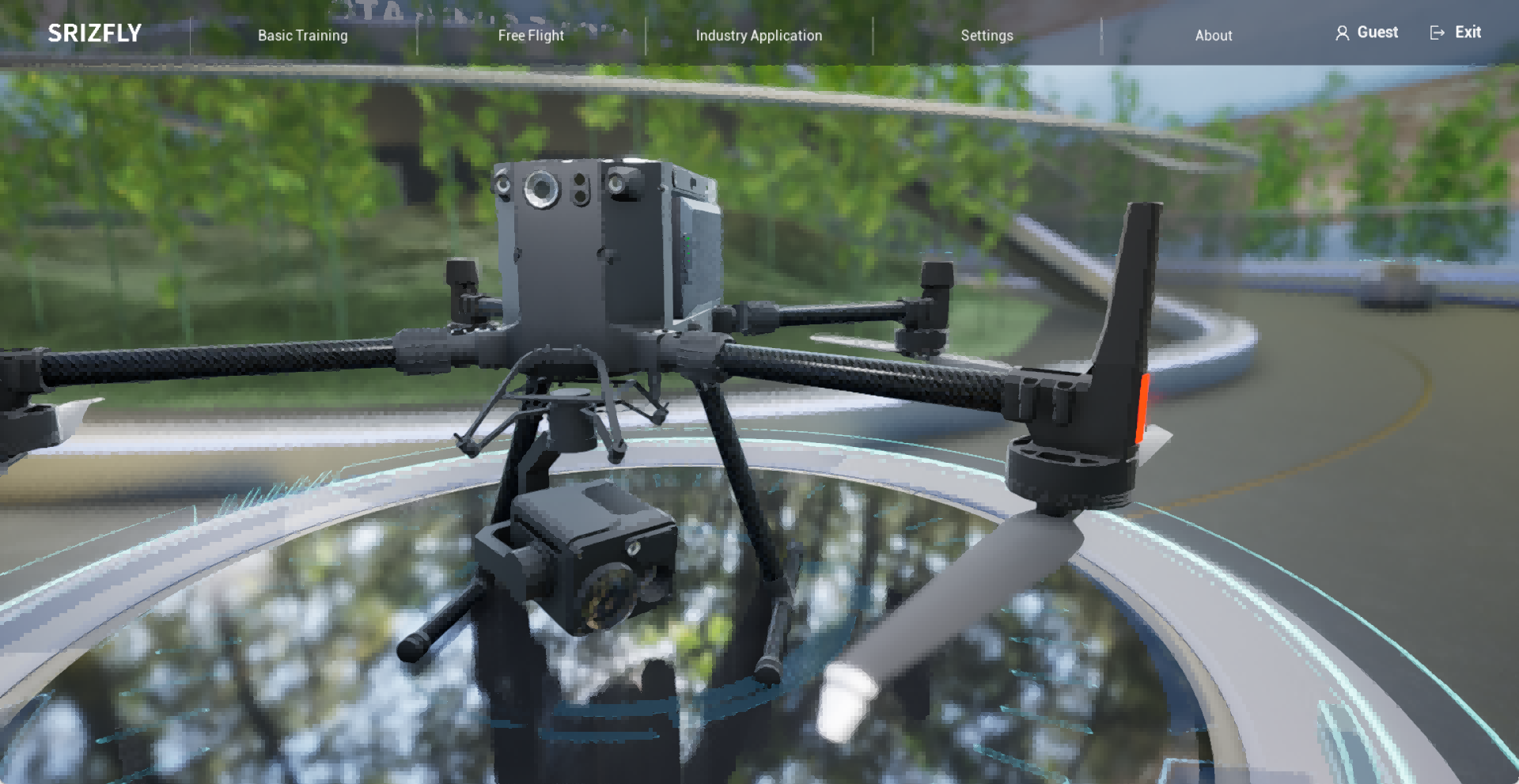
Staying sharp as a pilot doesn't always require booking time in an actual aircraft. Modern technology and focused practice routines let you refine critical abilities right from your home, hangar, or even a quiet corner of the FBO. By building a disciplined regimen of chair flying, simulation, and mental rehearsal, you can maintain and even improve your proficiency without burning fuel or waiting for favorable weather.
Start by treating a desktop simulator not as a game, but as a procedural trainer. Dial in realistic weather, use checklists as if your life depended on them, and practice abnormal scenarios you hope to never see in the real world. Combine this with dedicated chair flying sessions where you visualize flows, call out procedures aloud, and run through memory items until they become instinct. The goal is to make each virtual session feel so authentic that your mind registers it as a real flight, reinforcing neural pathways without leaving the earth.
Beyond tech, invest time in debriefing your own past flights mentally. Replay decisions, identify moments where you could have been sharper, and then simulate those scenarios again on the ground. Pair this with regular study of weather theory, systems knowledge, and airspace details—topics that often get neglected when you're focused on the stick-and-rudder side of flying. Over time, you'll notice that when you do climb into the cockpit, everything feels more fluid, your scan is faster, and your decision-making is crisper, all because you sharpened your skills without ever leaving the ground.
Tailored Scenarios for Every Industry Need
Every sector operates under its own set of rules, challenges, and rhythms. A solution built for retail won’t naturally fit the tight compliance demands of healthcare, just as a logistics tool can’t simply be dropped into a creative studio. That’s why we design from the ground up—shaping dashboards, workflows, and alerts around the daily realities of each field, not the other way around.
Our approach starts with listening. We spend time on factory floors, in back offices, and alongside field teams to map out the invisible friction points—the manual double-checks, the workarounds, the data silos that everyone just accepts. From there, we build configurations that mirror actual operations: automated compliance checks for finance, real-time inventory sync for hospitality, or patient-journey tracking for clinics.
The result isn’t a one-size-fits-all platform with a different logo slapped on. It’s a living system that adapts as your industry shifts, whether that means integrating new safety protocols overnight or scaling up for seasonal surges. Every module, every view, feels like it was made for your team—because it was.
Turning Simulation Data Into Actionable Insights
Raw simulation outputs often sit untouched, buried in folders no one revisits. The real value surfaces when you dig past the numbers and start asking why certain patterns emerge. It’s about connecting the dots between a pressure drop in one region and a flow irregularity three stages down the line—turning what looks like noise into a clear narrative that guides better decisions.
The shift happens when teams stop treating post-processing as an afterthought. Instead of just confirming what they expect, they hunt for outliers and anomalies. Those unexpected spikes or dips usually hide the deepest insights. Pairing that curiosity with lightweight visualization tools lets engineers quickly test hypotheses, compare scenarios, and walk into design reviews with stories backed by evidence, not just spreadsheets.
Actionable means the insight must change tomorrow’s work—maybe trimming a safety margin that’s too conservative, or pinpointing a component that always fails early in real-world conditions. The best teams build a feedback loop where simulation informs prototypes, prototype data refines models, and everyone speaks the same visual language. That loop turns simulation from a checkpoint exercise into a genuine competitive edge, where data doesn’t just sit—it propels the next move.
Multi-Drone Missions: Team Training Made Easy
Coordinating multiple drones used to be a headache, requiring hours of manual setup and constant vigilance. Now, platforms that streamline multi-drone missions are changing the game, making it almost effortless for teams to train together. Instead of wrestling with individual controls, operators can focus on shared objectives, communicating tactics as if they were handling a single, cohesive unit.
The real magic is how naturally these systems embed real-world teamwork dynamics. Scenarios—from search sweeps to area surveillance—are designed to adapt on the fly, pushing teams to refine roles without the fear of expensive mistakes. Because the interface handles the complexity, training sessions become less about the machines and more about the collaboration between people, drastically shortening the learning curve.
What emerges is a team that thinks and acts with a unified rhythm. Debriefs are grounded in actual mission data, not guesswork, allowing for targeted improvements. Over time, this approach doesn’t just build individual proficiency; it forges a tight-knit unit capable of executing complex operations with a quiet confidence that’s hard to replicate through traditional drills.
Future-Proof Your Operations with Continuous Innovation
Staying ahead in a fast-changing market demands more than occasional upgrades—it requires a mindset of perpetual evolution. By weaving innovation into the fabric of daily operations, businesses can anticipate shifts, adapt processes in real time, and turn disruption into opportunity. This means moving beyond rigid long-term plans and instead building flexible systems that learn, iterate, and improve continuously. When teams are empowered to experiment and refine workflows without fear of failure, the entire organization becomes resilient, ready to pivot as customer needs and technologies evolve.
True operational longevity comes from creating mechanisms that capture insights from every corner of the company—frontline employees, data patterns, and customer feedback loops. These insights fuel small, incremental changes that compound over time, reducing waste, speeding up delivery, and enhancing quality. Rather than betting on a single transformative project, continuous innovation spreads risk across many small bets, allowing you to test ideas quickly and scale what works. This approach not only guards against obsolescence but also fosters a culture where improvement is everyone's responsibility.
Embedding innovation into operations also means rethinking legacy structures that stifle progress. Replace rigid hierarchies with cross-functional teams, give them the autonomy to solve problems creatively, and provide the tools to act on their ideas swiftly. When technology serves as an enabler rather than a constraint, your operations can seamlessly absorb new market realities—whether it's shifting to sustainable practices, adopting AI-driven analytics, or personalizing customer experiences at scale. The goal isn't just to survive the next wave of change but to ride it with confidence, knowing your foundation is built to evolve.
FAQ
It creates a risk-free virtual environment where pilots can practice complex maneuvers, test new flight plans, and troubleshoot scenarios that would be too dangerous or expensive to attempt in real life.
By mimicking real-world physics, weather patterns, and even equipment failures, it pushes operators to refine their skills and decision-making without ever leaving the ground.
Absolutely—high-fidelity graphics, authentic controller integration, and dynamic environmental responses combine to deliver an experience so immersive you'll forget it's a simulation.
Detailed 3D terrain mapping, customizable drone models, and advanced analytics that track everything from battery usage to flight path efficiency make it an indispensable tool for serious professionals.
Beyond training, it's used for mission planning, testing payload configurations, and even demonstrating capabilities to clients—turning simulations into powerful pre-flight validation platforms.
Most users report a dramatically shortened learning curve; many master essential skills in a simulator within hours, then confidently handle real drones with significantly fewer mistakes.
Conclusion
Professional UAV simulation software is transforming how drone operators prepare for real-world missions. By embedding authentic flight physics and environmental variables, these platforms recreate the nuances of actual flight—wind gusts, sensor latency, and aerodynamic stress—without exposing costly hardware to damage. Pilots can practice emergency procedures, fine-tune maneuvers, and build muscle memory in a zero-risk environment, turning hours of virtual stick time into tangible competence. The seamless integration of hardware-in-the-loop ensures that the transition from screen to sky feels instinctive, making the software an indispensable tool for anyone serious about precision flying.
Beyond individual skill-building, the platform’s ability to stage industry-specific scenarios—from powerline inspections to search-and-rescue grid patterns—sets it apart. Training coordinators can design progressive challenges that mirror job requirements, while built-in analytics capture every decision point, control input, and deviation, translating raw flight logs into performance heatmaps and targeted improvement plans. For team-based operations, the multi-drone simulation mode enables synchronized swarm training and communication drills, fostering cohesion before a single aircraft lifts off. With a modular architecture that evolves alongside emerging regulations and hardware, the software ensures that your operational readiness never stagnates, effectively future-proofing the entire drone program against tomorrow’s demands.
Contact Us
Contact Person: Niles Liu
Email: [email protected]
Tel/WhatsApp: 8619945009803
Website: https://srizfly.com/