

Professional Wheat Grain Mill: A Baker’s Ultimate Tool for Perfect Flour Every Time
2026-07-19
For bakers who take flour seriously, the right mill can make all the difference between a good loaf and an extraordinary one. The PINGLE Professional Wheat Grain Mill steps into your kitchen not just as another appliance, but as the cornerstone of consistently perfect baking. Imagine flour so fresh it still carries the warmth of the grind, with all the natural oils and flavors intact—something you simply can't get from store-bought bags. Whether you're crafting a rustic sourdough or a delicate pastry, precision and reliability are non-negotiable, and that's exactly where PINGLE shines. Ready to uncover how this mill can revolutionize your baking from the very first grind? Let's dig in.
Why Every Serious Baker Swears by a Quality Grain Mill
Freshness is the unspoken secret behind truly remarkable bread and pastries. Once grains are milled, their natural oils and nutrients begin to degrade almost immediately. A quality grain mill puts that control back in your hands, letting you grind exactly what you need, when you need it—capturing peak flavor and nutrition before they fade.
Beyond taste, the ability to customize texture changes everything. From ultra-fine flour for delicate cakes to a coarse, rustic grind for hearty whole-grain loaves, a dependable mill gives you a spectrum that store-bought flours can’t match. That precision means you can tweak recipes in ways that elevate your baking from predictable to personal.
There’s also a deeper connection at play. Using a mill connects you to the craft itself—the sound of stones or steel turning, the warm, earthy scent of freshly cracked berries. It turns baking into a full-circle experience, one where you’re not just mixing ingredients but truly creating them from scratch. For bakers who see what they do as an art, that matters more than convenience.
The Science of Freshly Milled Flour: Flavor, Nutrients, and Texture
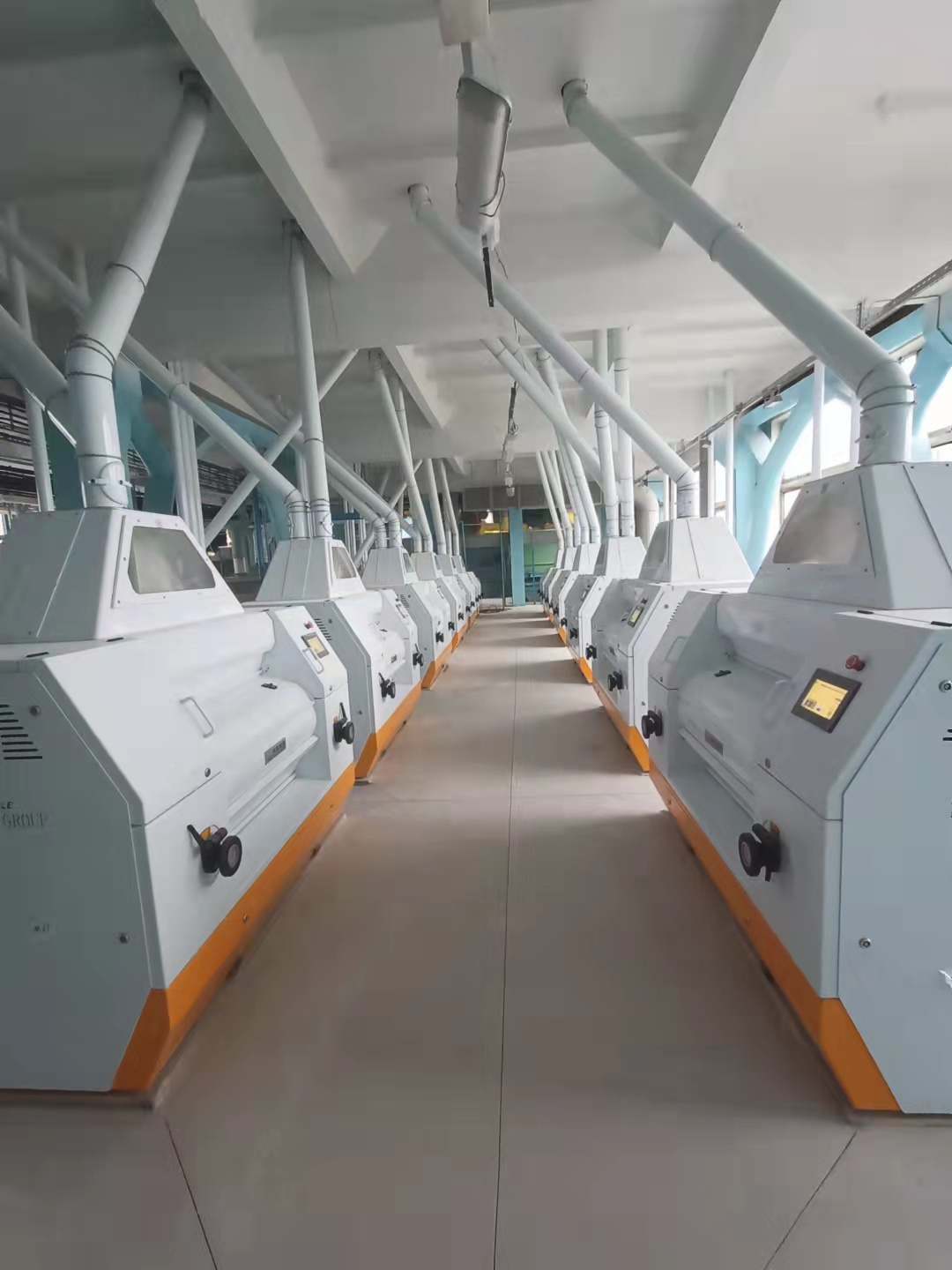
Grains are naturally encased in a protective bran layer that locks in volatile oils and delicate nutrients. When grain is milled and immediately used, these compounds remain vibrant. The flour carries a lively spectrum of aromas — sometimes grassy, sometimes nutty — that begin to fade within hours as oxidation sets in. This fragility is why bakers who mill their own grain often describe a depth of flavor absent from aged commercial flours. It’s not merely ‘wheaty’ but layered, reflecting the specific variety of wheat, its growing conditions, and the freshness of the grind.
From a nutritional standpoint, the advantage is equally short-lived. Whole grain flours retain the germ, which is rich in vitamins E and B, along with minerals like zinc and magnesium. Yet the germ’s oils turn rancid quickly once exposed to air. Commercial mills often remove the germ to extend shelf life, sacrificing these nutrients for stability. Freshly milled flour, used within a day or two, offers a genuine whole food — complete with its original fibre, fats, and micronutrients — that just isn’t possible from a bag that’s sat on a shelf for months.
Texture, too, changes in ways that are both tactile and structural. Freshly ground flour feels cooler and slightly moist, with irregular particle sizes that absorb water unevenly at first. This creates doughs that can feel alive under the hands, developing elasticity slowly during mixing. The result in baked goods is a crumb with more personality — a tender, open structure in bread, or a crisp, shattery bite in pastries — that standardised flours rarely deliver.
From Kernel to Loaf: Mastering the Art of Home Milling
There's something deeply satisfying about taking a handful of humble wheat berries and watching them transform into flour, right on your kitchen counter. The aroma alone is enough to convince you that this is how bread was meant to be made—fresh, nutty, and full of life. Home milling isn't just a novelty; it's a return to a time when every ingredient had a story, and that story began with the grain itself.
When you mill at home, you're not merely grinding grain; you're unlocking flavors that commercial flours lose after days or weeks on the shelf. The oils in the germ are still vibrant, the bran retains its gentle sweetness, and the endosperm crushes into a powder so fine it feels like silk. Whether you use a stone mill or a modern impact grinder, the result is flour that breathes—alive with nutrition and character. From that first pour into the mixer, you can sense the difference.
Of course, mastering the art takes a bit of practice. Different kernels—hard red wheat, soft white, spelt, rye—each behave differently in the mill and in your dough. The moisture content of the grain, the coarseness of the grind, and even the ambient temperature influence the final loaf. But that's the beauty of it: with every batch, you learn to listen to the grain, adjusting your technique until the bread emerges from the oven with a crackling crust and an open, tender crumb. From kernel to loaf, it's a ritual that feeds both body and soul.
Choosing Your Perfect Mill: Features That Actually Matter
A mill isn't just a machine—it's the heart of your workshop, and the right one feels like a natural extension of your own two hands. Ignore the horsepower wars for a moment and think about how you actually work. Do you need a knee mill that lets you feel every cut through the handwheels, or a CNC bed mill that remembers your favorite setups? The controls should fall where your hands already reach, the table should glide without complaint, and the head shouldn't fight you when you tilt it. These aren't specs on a sheet; they're the daily joys or frustrations that define your projects.
Don't sleep on rigidity—but not in the abstract way sales brochures describe it. Put your weight against the column. Open the base cabinet and look at the casting ribs. A flimsy mill chatters like an old washing machine, leaving finishes that need more sanding than a wooden boat. What you really want is a machine that damps vibration before it reaches the cutter, so your tool life stretches and your ears aren't ringing after a six-hour session. And check how the ways are scraped—those tiny crescent marks aren't just pretty; they're oil pockets that keep the saddle from sticking on humid mornings.
Finally, ignore the 'starter mill' trap. Buy capacity you'll grow into, not out of. That extra Y-axis travel you think you won't need? It'll save you from juggling setups on a complex bracket. The spindle taper matters less than whether the quill extends smoothly at full extension. And here's a shop secret: take the cover off the electrical box and look at the wire management. If it's a rat's nest of same-color wires with crimp-on connectors dangling, you'll be chasing intermittent faults for years. A clean board with labeled terminals means the builder cared about the parts you'll only see when something goes wrong. That's the real feature that matters.
Baking With Personality: How Fresh Flour Defines Your Signature Style
Every baker knows that flour is the foundation of any bake, but the secret most overlook is just how much the freshness of that flour shapes the final character. It’s not merely about shelf life or date stamps; it’s about the living, breathing quality of the grain. A flour that’s been milled recently brings a quiet vitality to your dough—the gluten has more spring, the aroma carries a gentle nuttiness, and the dough itself feels more responsive under your hands. This isn’t something you can fake with recipes alone. Your signature style often begins here, in the quiet decision to choose flour that still remembers the field it came from.
When you work with fresh flour, you start to notice the little things that set your breads, pastries, and cookies apart. The way the crust shatters just a bit more delicately, how the crumb shows an irregular but satisfyingly tender openness, or the subtle flavor notes that taste like toasted wheat rather than plain starch. It’s these details that become hallmarks of your baking—your family or customers might not know you switched fours, but they’ll sense something has shifted for the better. Over time, you’ll learn to lean into these traits, adjusting hydration just a touch, fermenting a little longer, and suddenly, you’re not just following instructions; you’re creating a taste and texture that’s unmistakably yours.
Keeping It Running: Simple Care for a Lifetime of Fresh Flour
A little regular attention goes a long way with your home grain mill. After each use, simply brush out the milling chamber and run a small amount of rice or other dry grain through to clear stale flour. This takes about a minute but prevents old residue from mixing with your next batch, keeping every cup of flour taste-fresh and pure.
Check the grind adjustment mechanism occasionally to ensure it moves freely, and keep the exterior clean with a slightly damp cloth. If your mill has a filter or gasket, inspect it every few months for signs of wear. These tiny acts of care prevent bigger issues down the line and help your machine produce consistent flour year after year without a hitch.
Store your mill in a dry, cool spot away from direct sunlight and dust. When you are not using it for an extended period, run it empty for a few seconds to expel any hidden particles, then cover it loosely. Treat it like a treasured kitchen companion—simple habits like these mean you will never have to worry about off-flavors or unexpected downtime when the baking mood strikes.
FAQ
It lets you grind fresh flour on demand, preserving the natural oils and nutrients that commercial flours lose during storage—this translates to richer flavor and better texture in every loaf.
Even, adjustable grinding ensures you get exactly the texture you need, from airy pastry flour to hearty whole wheat; inconsistent grinds can throw off hydration and ruin your dough structure.
Absolutely—most quality mills handle rye, spelt, barley, even gluten-free options like rice or quinoa, so you can experiment with custom blends without cluttering your kitchen with extra equipment.
A slow-speed, high-torque motor paired with durable stone or stainless steel burrs prevents heat buildup, which protects both the machine and the delicate germ oils in your grain.
Not if it's designed well—self-cleaning burrs and an easy-to-disassemble hopper mean you can go from grinding to spotless in a couple of minutes, with no cross-contamination between batches.
It depends, but many newer models use sound-dampening insulation and quieter motors; you can comfortably run them in the morning without waking the whole house.
Conclusion
A professional wheat grain mill isn’t just another gadget—it’s the heartbeat of a baker’s kitchen, unlocking flavors and textures that store-bought flour can’t touch. When kernels are crushed moments before mixing, volatile oils and aromatic compounds are still vibrant, delivering a depth of taste and nutritional richness that commercial milling obliterates. Serious bakers know this isn’t about snobbery; it’s about control. Choosing a mill that fits your rhythm—whether a stone grinder for rustic breads or a steel-burr workhorse for fine pastry flour—means you shape every loaf from the inside out. The journey from hard wheat kernel to airy ciabatta or nutty whole-grain sourdough becomes a personal ritual, transforming an ordinary recipe into something unmistakably yours.
But the magic doesn’t stop at flavor. A quality mill gives you the freedom to experiment with heirloom grains, blending proportions on the fly to define a signature style that no bakery can replicate. The science backs it up: fresh flour retains the germ’s oils and bran’s fiber, boosting both health benefits and the way dough behaves. Yet none of this matters if the machine clogs or wears out. That’s why simple care—regular cleaning, burr alignment checks, and storing your mill in a dry spot—keeps it humming for decades. In the end, it’s an investment not just in equipment, but in the rhythm of truly artisan baking, where every batch of flour carries the promise of a perfect crumb and a story worth sharing.
Contact Us
Contact Person: Jiakuo Wu
Email: [email protected]
Tel/WhatsApp: +86-13011566087
Website: https://www.pinglemachine.com