Top 10 Bus Shelter Designs That Make Waiting Enjoyable
2026-09-13
Waiting for a bus rarely tops anyone's list of favorite moments—but a well-designed shelter can change that entirely. From rain-blocking curves to solar-powered lighting, the right design turns a routine wait into a small urban pleasure. Below, zemso walks you through ten bus shelter concepts that prove function and style can share the same stop.
Living Roofs That Cool the Curb
On a scorching afternoon, the surface of a conventional roof can easily top 65°C, radiating heat onto the sidewalks below. A living roof flips that dynamic. The plants and growing medium absorb solar energy for transpiration, releasing moisture that cools the air just above the roofline. That cooled air sinks toward the street, lowering the ambient temperature around the building by several degrees where people actually walk.
The real work happens in the soil layer, which acts as both insulation and a slow-release water reservoir. Hardy sedums, native grasses, and shallow-rooted perennials thrive in as little as 10 to 15 centimetres of substrate, requiring minimal irrigation once established. Their leaves shade the roof surface, while evaporation pulls heat out of the building itself, cutting indoor cooling demand by up to a quarter during peak summer months.
Unlike white reflective coatings that bounce sunlight but do nothing for humidity, living roofs add moisture to the air, creating a perceptible drop in temperature at curb level. Neighbourhoods with clustered green roofs often feel noticeably cooler on still evenings, and the runoff from heavy rain is slowed, easing pressure on street drains. For anyone standing at the curb, the effect is a quieter, fresher stretch of pavement that invites you to linger a little longer.
Real-Time Arrivals, Minus the Guesswork
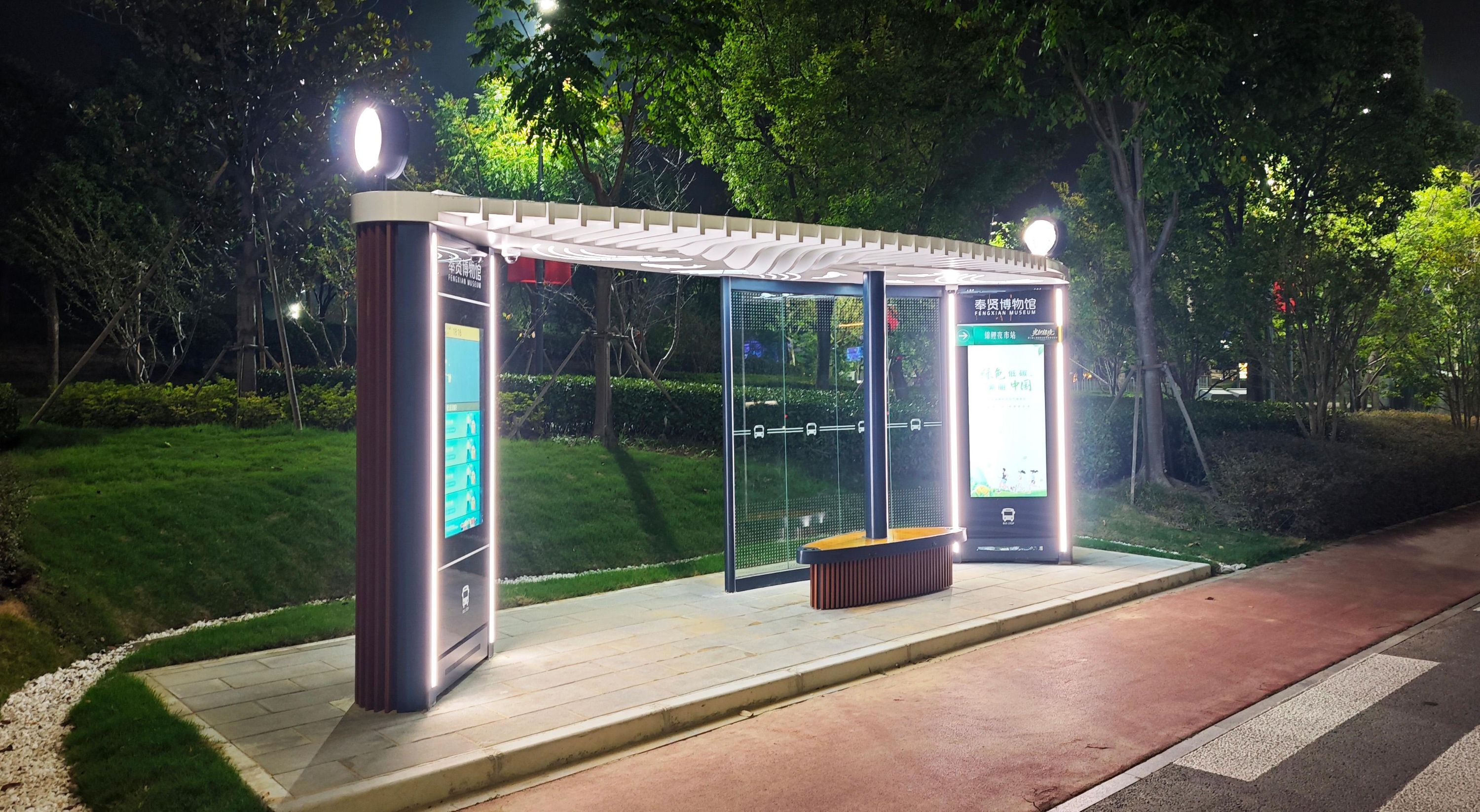
Each vehicle on the map sends a position ping every few seconds, and that raw movement data is what drives the arrival countdown. If a bus sits through an extra red light or a train leaves a platform slightly early, the time shown on your screen changes with it—no refreshing, no static timetable.
The system also accounts for real-world disruptions as they happen. A route that suddenly goes express, a stop temporarily closed for construction, or a delay caused by congestion gets folded into the estimate instead of being ignored until the next scheduled update.
That means you can trust the number in front of you. It’s not an average of past trips or a best-case guess; it’s the current location and speed of the next vehicle translated into a useful arrival time.
Sculptural Stops Worth a Detour
On a two-lane road south of Amarillo, ten half-buried Cadillacs lean nose-first into the dirt, their tail fins worn to pale blue and rust. It would be easy to call it a joke, but there is something too deliberate in the way the cars mirror the angle of the afternoon sun. You don't plan a stop like this; you just see the spray-painted sign on a fence post and turn off the pavement. That is the first rule of sculptural detours: the work is rarely where you expect it, and it never asks for your attention.
Most of these pieces come from a private obsession rather than a public art budget. A farmer welds a dragon from old plow discs. A retired mechanic stacks truck differentials into a spire that hums in the wind. The materials are local, the scale is huge, and the finish is often left to weather. This is not sculpture in a climate-controlled pavilion; it is something that has to survive gravel, freeze-thaw cycles, and the occasional cow. The rough edges are part of the point. You're not meant to admire a polished surface, but to feel the friction between the object and the open sky.
Detouring for one of these stops rewires your sense of distance. A thirty-minute side trip suddenly feels shorter than the highway it interrupts. The sculpture gives the surrounding emptiness a center, and for a while the land doesn't seem so empty at all. Bring water, leave your car unlocked, and read the names scratched into the nearest metal plate. People have come here before you, and they've left their own small marks beside the big stubborn thing that made them slow down.
Seating That Doesn't Feel Like a Park Bench
Most public benches force your spine into a stiff right angle and leave a pattern of slats pressed into your legs. This seat takes a different route: the backrest tilts just enough to let your shoulders settle, and the contour under your thighs removes pressure points without looking like a gym machine.
The frame uses powder-coated aluminum, so it won’t turn into a heat sink in summer or freeze you out in winter. The wooden slats are spaced with a slight curve, which means rain rolls off instead of pooling, and you won’t get that awkward wet stripe across your pants when you stand up.
It’s still built for public spaces, but the proportions are borrowed from lounge furniture. The armrests are wide enough to balance a coffee cup, and the seat height works for both a quick rest and a longer conversation. No one will mistake it for a standard park bench.
Solar Panels That Double as Shade
In sun-drenched parking lots, rows of elevated solar panels now do more than generate electricity—they create shaded parking spots that keep cars noticeably cooler. The same idea works for patios, walkways, and bus stops, where the panel structure becomes a functional roof. By raising the panels high enough for people or vehicles to pass underneath, the space below turns into usable shade instead of wasted ground.
Farms have taken this further with agrivoltaic setups. Certain crops, especially leafy greens and berries, actually prefer partial shade during the hottest hours. Panels spaced to let some sunlight through can reduce heat stress, lower soil moisture loss, and even extend the growing season in arid regions. Livestock also benefit: sheep and cattle rest under the panels, which cuts their need for artificial shelter.
The design details matter more than people expect. Tilt angles, panel spacing, and mounting height all change how much light reaches the ground and how the space feels underneath. Some installations use semi-transparent or bifacial panels to balance energy output with comfortable shade. As more cities and farms look for dual-purpose infrastructure, this approach turns an ordinary solar array into a place people actually want to be.
Modular Shelters That Shift With the Neighborhood
Most shelters get bolted to one spot and stay there until someone tears them down. These don’t. Each unit sits on a low-profile base that can be unlocked and rolled a few blocks over when the surrounding streets change character. A cluster that served as a job-training corner in spring might become a shaded rest area by late summer, without a single wall going to waste.
The shell itself is a kit of insulated panels and steel connectors, but the real flexibility comes from how the pieces are arranged. Residents can vote on the next configuration through a simple paper ballot at the local bodega or library, and a small crew resets the layout over a weekend. There is no grand master plan, just a habit of checking in and adjusting.
Because the shelters are designed to be dismantled rather than demolished, materials tend to circulate within the same district for years. A roof panel from a pop-up health clinic may end up as part of a covered bike rack, then later as a stage canopy for a block party. The structures age visibly, but they never feel abandoned—they simply move on when the neighborhood asks them to.
FAQ
It usually comes down to a strong central idea that is executed without overcomplicating the structure. The best ones pay attention to small details like how light falls inside at dusk or where rainwater runs off while still feeling sturdy. A memorable shelter often has a touch of whimsy or a clear relationship with the neighbourhood rather than just being a generic box with an ad panel.
The fruit-shaped bus stops in Konagai, Japan are probably the most photographed example. Travellers wait inside a giant strawberry, melon, or orange. There is also a wave-like aluminium shelter on Norway's coast that mimics the nearby coastline, and a timber-framed design in London that twists to create two separate benches under one roof.
Some designs use deep overhangs and angled louvers to break wind-driven rain without trapping humidity. In hot climates, shelters in Dubai are fully enclosed and air-conditioned, with shaded glass that cuts glare. For colder regions, designers add heated benches or orient the opening away from prevailing winds so the inside stays surprisingly calm.
Yes, several shelters include playful or interactive elements. One in Seoul has a digital panel where you can play quick games or check nearby events, while a shelter in Rotterdam includes a small library shelf and a phone-charging rail. Even a simple swing seat or a chalkboard wall changes the mood from passive waiting to something more active.
Green roofs are becoming common because they absorb rain and cool the surrounding air. Some shelters use locally sourced timber or recycled aluminium frames, and a few even integrate pollinator-friendly planting into the back wall. It makes the stop feel less like street furniture and more like a small piece of landscape.
A few definitely do. The giant strawberry stop in Japan draws busloads of tourists even when they have no bus to catch. Unusual silhouettes, bold colours, or a prime coastal setting can turn a shelter into a local postcard. People start using it as a meeting point or a photo backdrop, which gives the whole street more identity.
Not necessarily. Many clever shelters use standard prefabricated parts but arrange them differently, or choose one sculptural element like a curved roof while keeping the rest simple. Maintenance is mostly about choosing durable finishes and avoiding too many moving parts, so the best designs balance flair with long-term upkeep.
Conclusion
Bus shelters have quietly evolved from forgettable glass boxes into small public spaces worth a second look. The best designs borrow from the surrounding environment, like living roofs planted with sedum and wild grasses that pull heat out of the curb and give pollinators a pit stop. Instead of staring down an empty road, riders get live arrival counts that skip the guessing game, so a three-minute wait never feels like thirty. And in a few cities, the shelter itself has turned into a minor landmark—curved timber ribs, folded steel canopies, or a glowing translucent shell that makes you want to walk an extra block just to see it up close.
Comfort goes deeper than a roof. Clever seating uses sloped, contoured, or leaning surfaces that support different postures without feeling like a standard park bench, and some designs even add charging points tucked into armrests. Where sunlight is harsh, solar panels do double duty as shade and clean power for lighting or next-bus displays. Modular shelters, built from interchangeable frames, panels, and benches, can expand, shrink, or swap parts as a neighborhood changes—so the stop feels less like a fixed piece of street furniture and more like a living part of the block. Together, these touches turn a mundane wait into a few genuinely pleasant minutes.
Contact Us
Contact Person: Leo
Email: [email protected]
Tel/WhatsApp: +86 18901905138
Website: https://www.zemsogroup.com/