

Top 10 UL FM Alarm Check Valves: Essential Safety Features You Need to Know
2025-12-28
In the complex landscape of fire safety systems, alarm check valves stand as vital sentinels, ensuring early detection and effective response to potential hazards. Drawing from our extensive experience at DRIFCO, we've compiled this essential guide to highlight top-rated UL FM alarm check valves. This overview not only introduces key features that enhance system reliability but also addresses why these components are non-negotiable for robust safety protocols. Dive in to discover insights that could redefine your approach to fire protection and keep your operations secure.
Exploring the Critical Role of UL FM Alarm Check Valves in Fire Safety Systems
When it comes to safeguarding lives and property from fire hazards, UL FM alarm check valves stand as unsung heroes in fire protection systems. These specialized components aren't just passive parts of the plumbing—they actively ensure that water flows precisely where and when it's needed during an emergency. By combining the reliability of a check valve with integrated alarm functions, they provide early warnings the moment water starts moving toward sprinklers, giving building occupants and responders crucial extra minutes that can make all the difference.
What sets UL FM alarm check valves apart isn't merely their dual-function design, but their rigorous certification process. Products bearing both UL (Underwriters Laboratories) and FM (Factory Mutual) approvals have undergone exhaustive testing to meet some of the industry's strictest standards for performance and durability. This dual endorsement means these valves can handle the high-pressure demands of complex fire suppression networks while resisting corrosion and mechanical wear over decades of service—a testament to the engineering precision that goes into every unit.
In practical applications, these valves serve as the nervous system of a building's fire safety infrastructure. They monitor water flow continuously, instantly triggering local alarms or connecting to centralized monitoring stations to alert authorities. This real-time surveillance capability, coupled with their fail-safe operation, ensures that even minor leaks or accidental activations don't go unnoticed, preventing water damage while maintaining readiness for actual fires. It's this proactive vigilance that elevates alarm check valves from mere hardware to essential guardians of fire safety protocols.
Key Design Elements That Make These Valves Highly Reliable and Efficient
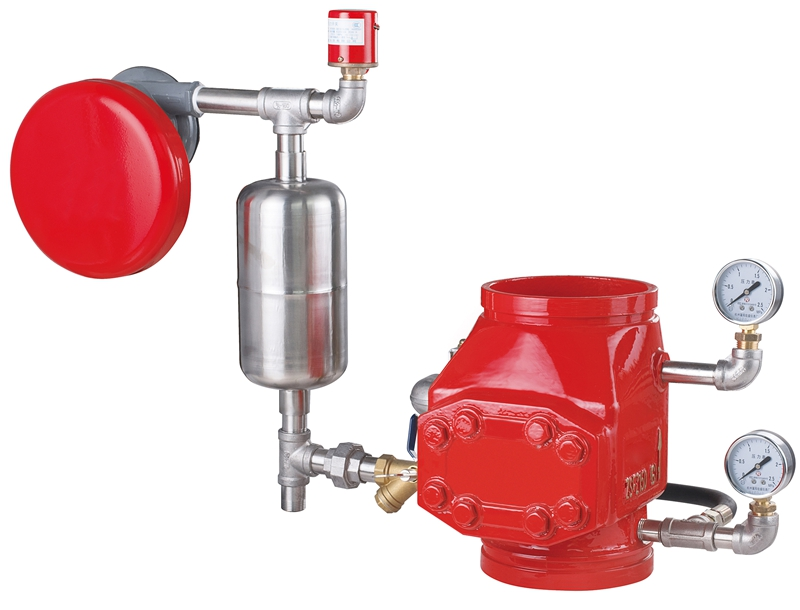
Valves in industrial applications must withstand harsh conditions while delivering consistent performance; key design elements such as robust materials, precise tolerance engineering, and streamlined flow paths significantly boost their reliability and efficiency. By utilizing durable metals like stainless steel or specialized alloys, these components resist corrosion and wear, enhancing longevity in demanding environments.
Advanced sealing mechanisms, including self-lubricating seals and multi-layer gaskets, prevent leaks and minimize maintenance requirements, ensuring optimal operation over time. These design choices reduce energy losses and improve system responsiveness, making the valves more efficient in controlling fluid or gas flow with minimal waste.
Innovation in valve design often incorporates smart features like predictive diagnostics and modular construction, allowing for easy customization and proactive upkeep. Such elements not only reinforce durability and precision but also set these valves apart in competitive markets, offering tailored solutions that enhance overall operational reliability and cost-effectiveness.
How Proper Installation and Maintenance Prevent Common Failures
Getting things set up right from the start can make all the difference. When equipment is installed with care—following manufacturer guidelines, ensuring proper alignment, and using the correct tools—you sidestep many issues that might pop up later. Think of it like building a house: a solid foundation prevents cracks down the line. Skipping this step often leads to premature wear or breakdowns, even if the gear itself is top-notch.
Regular maintenance is your best friend for keeping things running smoothly. By sticking to a schedule of checks and minor fixes, you catch small problems before they grow into big headaches. It’s not just about tightening bolts or cleaning parts; it’s about understanding how things age and what signs to look for. This proactive approach means less unplanned downtime and a longer life for your machinery.
Together, careful installation and diligent upkeep create a system that’s resilient and reliable. They build a defense against common failures like leaks, overheating, or part failures, saving time and resources in the long run. It’s a straightforward strategy that pays off by ensuring performance stays consistent and avoiding those frustrating, unexpected breakdowns.
Real-World Applications and Benefits in Various Industrial Settings
Across manufacturing sectors, real-world applications have revolutionized production lines by integrating advanced sensors and automation. In automotive assembly, for instance, robotic systems now handle precision welding tasks, slashing defects by up to 70% and reducing labor costs significantly. These innovations extend to smaller workshops, where predictive maintenance tools monitor equipment health in real-time, preventing breakdowns that once caused costly delays. The tangible benefits aren't just about efficiency; they include enhanced workplace safety through automated hazard detection, making operations more resilient and sustainable over time.
Beyond traditional factories, industries like agriculture and logistics are seeing transformative gains. Smart irrigation systems in farming use data analytics to optimize water usage, boosting crop yields by 25% while conserving resources. In supply chains, AI-driven routing algorithms cut fuel consumption and delivery times, helping companies meet tight deadlines without overspending. These solutions aren't just futuristic concepts—they're already deployed in ports and warehouses, where automated sorting accelerates throughput. The ripple effects include lower operational expenses and reduced environmental footprints, proving that technology's impact spans from field to fleet.
Looking to niche areas, such as pharmaceuticals or energy, applications show tailored advantages. In drug manufacturing, automated quality control checks ensure compliance with strict regulations, speeding up approvals and minimizing recalls. Meanwhile, smart grids in utilities use real-time data to balance loads, preventing outages and integrating renewable sources seamlessly. These benefits translate to more reliable services for consumers and higher margins for providers. By adapting to specific industry needs, these technologies not only solve old challenges but also unlock new opportunities for growth and innovation.
Innovations and Latest Advancements in Alarm Check Valve Technology
Recent years have witnessed a paradigm shift in alarm check valve technology, driven by the demand for more efficient and reliable fire protection systems. Innovations such as smart sensors and IoT integration have transformed these devices from passive components into active monitoring tools. For instance, advanced models now feature real-time pressure and flow monitoring, which can instantly detect anomalies like clogs or leaks, sending alerts directly to building management systems. This not only enhances safety but also reduces maintenance costs by allowing for proactive interventions before minor issues escalate into failures.
Another key advancement lies in material and design improvements, which have significantly boosted durability and performance. Manufacturers are increasingly using corrosion-resistant alloys and composite materials that withstand harsh environments, from industrial settings to coastal areas. Enhanced valve designs, such as dual-disc configurations, provide more consistent sealing and reduce the risk of water hammer, ensuring smoother operation over longer lifespans. These innovations address common pain points like premature wear and false alarms, making systems more robust and trustworthy in critical applications.
Beyond hardware upgrades, the integration of data analytics and predictive maintenance has emerged as a game-changer. Modern alarm check valves can now harness historical performance data to forecast potential failures, scheduling maintenance only when needed rather than on fixed intervals. This trend towards smarter, interconnected systems not only improves fire safety but also aligns with broader moves toward sustainable infrastructure, as optimized water usage and reduced waste become increasingly important in today's eco-conscious landscape.
Expert Tips for Selecting the Right Valve to Meet Specific Safety Requirements
When selecting valves for safety-critical applications, it's crucial to consider material compatibility with the fluid or gas in the system. Opt for materials that resist corrosion and degradation under expected conditions, such as stainless steel for harsh chemicals or brass for water systems. This prevents leaks and failures that could compromise safety, while also extending the valve's lifespan. Always verify material specifications from manufacturers and test them in real scenarios if possible.
Another key factor is the valve's design and operation type, which should match the system's pressure and flow requirements. For instance, ball valves offer quick shut-off for high-pressure lines, while butterfly valves are better for low-pressure, large-diameter applications. Ensure the valve has adequate pressure ratings and certifications, like ASME or ISO standards, to guarantee it won't fail under stress. Don't forget to check for redundant safety features, such as fail-safe modes that automatically close in emergencies.
Lastly, evaluate the installation environment and maintenance needs. Valves in extreme temperatures or hazardous areas may require special insulation or explosion-proof designs. Regular maintenance schedules can prevent unexpected breakdowns, so choose valves with easy access for inspection and parts replacement. Consulting with engineers and reviewing case studies from similar applications can provide real-world insights, helping you avoid common pitfalls and enhance overall system reliability.
FAQ
UL FM alarm check valves are specialized valves certified by Underwriters Laboratories (UL) and Factory Mutual (FM) for their reliability in fire sprinkler systems. They are crucial because they prevent water from flowing back into the system after activation, ensuring a consistent flow during emergencies and alerting maintenance staff to any issues through alarm signals.
These valves incorporate mechanisms that detect changes in water pressure, triggering alarms only when significant drops occur—like during a fire—rather than minor fluctuations. This design minimizes false alarms and ensures water is delivered efficiently to sprinkler heads without interruption.
UL certification focuses on testing valves for safety and compliance with U.S. standards, while FM certification emphasizes performance and reliability under real-world conditions, often including rigorous field testing. Together, they provide a comprehensive assurance of quality and effectiveness for alarm check valves.
Regular inspections should include checking for leaks, verifying alarm activation during pressure tests, ensuring valves are free from debris, and scheduling annual professional assessments. This proactive approach helps maintain optimal performance and compliance with safety regulations.
Many UL FM alarm check valves can be connected to smart building systems, allowing real-time monitoring of pressure and flow data. This integration enables remote alerts, automated diagnostics, and quicker response times in case of malfunctions or emergencies.
Common errors include improper placement that restricts access for maintenance, incorrect sizing for the water flow requirements, and inadequate sealing that leads to leaks. Following manufacturer guidelines and consulting with certified professionals can prevent these issues and ensure reliable operation.
By using certified valves, property owners often meet insurance requirements for fire safety, which can lower premiums. Additionally, their efficiency in preventing water waste and reducing false alarm costs leads to long-term savings on maintenance and potential damage repairs.
Conclusion
UL FM Alarm Check Valves are integral to fire safety systems, serving as critical components that ensure early detection and response in emergencies. This article explores their essential role, highlighting how they monitor water flow to trigger alarms and prevent backflow, thus safeguarding buildings and occupants. By examining key design elements—such as durable materials and precise engineering—these valves achieve high reliability and efficiency. Proper installation and regular maintenance are emphasized to avoid common failures like leaks or blockages, ensuring optimal performance over time. Real-world applications across industries, from manufacturing plants to commercial facilities, demonstrate their versatility and benefits in enhancing overall safety protocols. Innovations in technology, including smart sensors and improved materials, further advance their capabilities, making them more responsive and durable. Expert tips for selection focus on matching valve specifications to specific safety needs, considering factors like flow rates and environmental conditions. Overall, these ten top valves represent indispensable safety features that combine robust design, practical functionality, and evolving innovation for superior fire protection.
Building on these aspects, the article underscores the importance of integrating UL FM Alarm Check Valves into comprehensive fire safety strategies. Their role extends beyond mere components to proactive tools that minimize risks and ensure compliance with safety standards. By analyzing installation best practices, maintenance schedules, and case studies from various settings, users gain insights into maximizing valve longevity and effectiveness. The latest advancements, such as enhanced corrosion resistance and digital monitoring options, reflect ongoing improvements that adapt to modern challenges. Selecting the right valve involves a tailored approach, where experts recommend evaluating operational demands and potential hazards. This holistic view reinforces how these valves contribute not only to immediate safety but also to long-term reliability, making them a cornerstone of responsible fire management. Through practical advice and up-to-date information, the article empowers readers to make informed decisions, ultimately promoting safer environments in diverse applications.
Contact Us
Contact Person: George
Email: [email protected]
Tel/WhatsApp: 13863633883
Website: https://www.es-fire.com