

Used Loaders Wholesaler Guide: Find Reliable Heavy Machinery Deals
2026-05-12
Scouting for a used loader that won’t break the bank—or your workflow? The heavy machinery market is crowded, but not every deal is worth your time. In this guide, we cut through the noise to help you spot trustworthy wholesalers and land equipment that actually delivers. With insights from JILIANG CHI, you’ll learn what separates a risky purchase from a rock-solid investment.
How to Spot a Trustworthy Used Loaders Supplier
A supplier's track record tells you more than any glossy brochure. Look for operations that have been around for several years and aren't shy about sharing customer references. If they can point you to repeat buyers or maintenance logs from previous owners, that's a strong signal they stand behind their machines. Pay attention to how they handle your questions — vague answers or pressure to close the deal quickly often hint at hidden problems.
Never skip a hands-on check, even if it means sending a trusted technician. Focus beyond the paint; uneven tire wear, sloppy pivot points, or fresh undercoating can mask deeper fatigue. Ask for fluid samples and recent service invoices, not just the hour meter reading. A supplier who refuses an independent inspection or delivers a machine that deviates from the agreed spec is one to walk away from.
Trustworthy suppliers don't disappear after the sale. They offer at least a short-term warranty and can arrange parts within days, not weeks. Check if they have a dedicated service desk or rely on third-party shops — the latter can leave you stranded. A quick call to their parts department to quote a common wear item can reveal whether they truly support what they sell.
Essential Checks Before Buying Pre-Owned Loaders
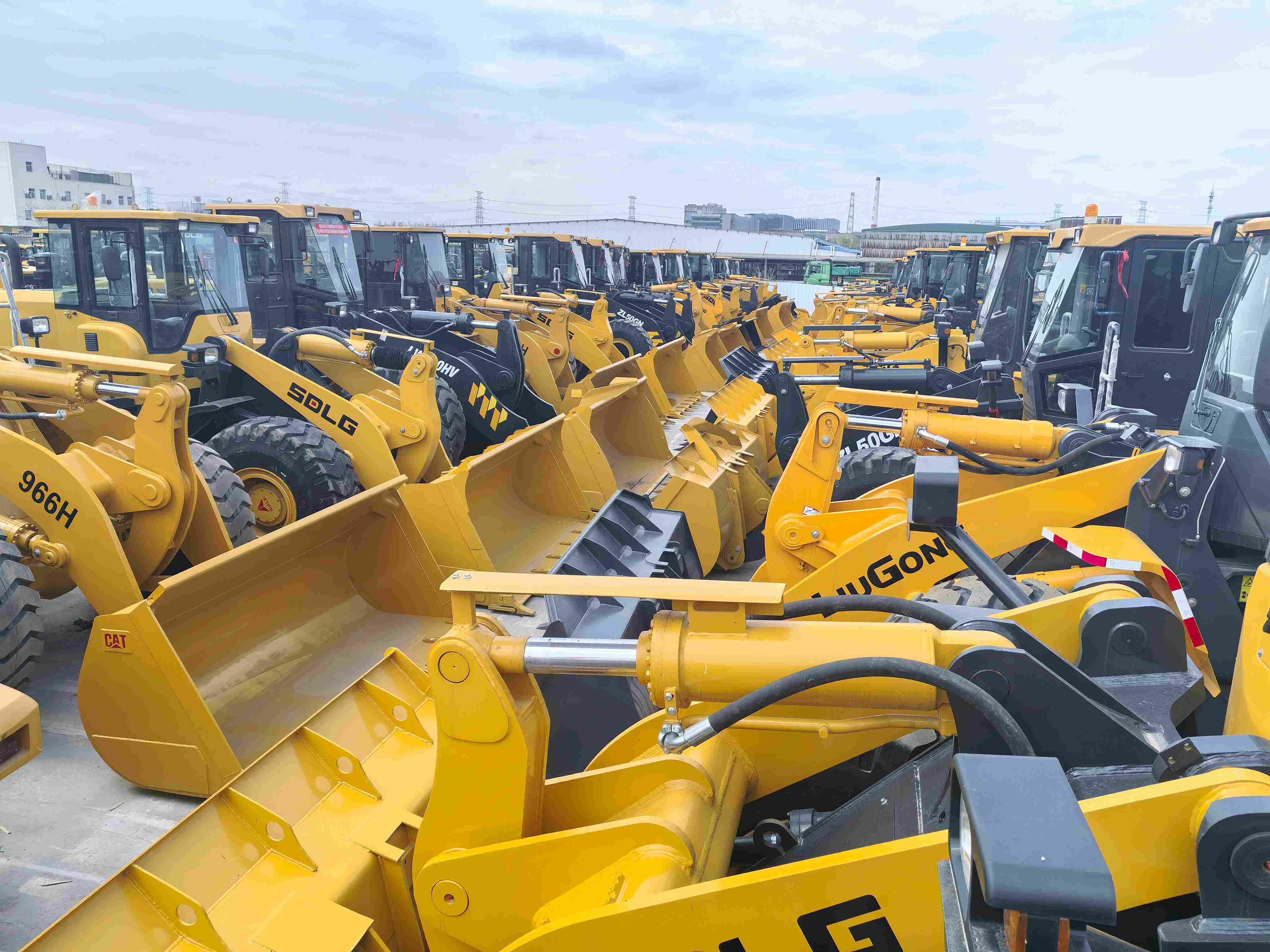
Start by putting the loader through its paces—raise and lower the arms, curl the bucket, and listen for any groaning from the hydraulic pump. Leaks around cylinder seals or hoses can hint at neglect, and fresh paint on joints might be hiding cracks. Don’t just glance at the bucket edge; run your hand along it for dents or weld repairs that suggest hard use in unforgiving materials.
Pop the hood and let the engine idle. A steady hum is what you want, not a rhythmic knock or excessive smoke. Check the hour meter, but treat it as a clue, not a verdict—matching service records tell a truer story. Shift through all gears, feel for hesitation, and crawl underneath to spot driveline slop or oil-sweating seals. A loader that’s been maintained will have clear fluids and filters that aren’t ancient.
Navigating Wholesale Pricing Without Sacrificing Quality
Balancing wholesale pricing and quality starts with a clear understanding of your product's value drivers. Identify which features or materials truly matter to your customers and which ones can be adapted without diminishing the overall experience. Sometimes small adjustments—like switching to a more cost-effective fastening method that maintains durability—can bring down costs noticeably. Talking directly with manufacturers about alternative components or production techniques often reveals options that protect integrity while reducing expenses.
Another often-overlooked angle is building longer-term partnerships with suppliers who share your commitment to consistent standards. When a factory knows you're in it for the long haul and not just chasing the lowest quote, there's more room to negotiate on price without corners being cut. Joint planning around production schedules, material sourcing, and even packaging design can unlock savings that don't compromise the product. This trust-based approach tends to yield better cooperation when subtle quality issues need swift resolution.
Finally, refine your internal quality checkpoints so they strategically align with the pricing model. Not every inspection needs to be exhaustive; focus your efforts on the stages most critical to your brand's reputation. Many businesses find that investing in up-front sample approvals and occasional engineering audits pays off more than constant micromanagement. This layered vigilance helps catch deviations early while keeping overall costs in check, making wholesale pricing work without the nagging fear of quality slip.
Avoiding Common Pitfalls in Heavy Machinery Imports
Bringing in heavy equipment from overseas often exposes buyers to hidden costs that start-ups or even experienced firms overlook. One of the messiest oversights is failing to verify whether the machinery meets local emission and safety regulations before it ships. A bulldozer that runs perfectly in one country might need a complete engine retrofit to pass compliance testing in another. Shipping delays then compound when customs flags the unit, leaving it to collect demurrage fees while you scramble for documentation. Rather than relying on the seller’s assurances, request a pre-shipment inspection from an independent verifier who understands your destination’s rulebook. This step alone can save months of idle time and thousands in unexpected modifications.
Another trap lurks in the paperwork—or lack thereof—concerning the machine’s maintenance history and real functional hours. Sellers often present glossy photos alongside inflated claims about rebuilds that never happened. Without digging into service logs, you could end up with a crane that needs major hydraulic work within weeks of arrival. Pay a technician familiar with the brand to interpret the data and physically cycle the equipment through its motions if possible. Even when the price looks attractive, factor in the cost of a thorough tear-down inspection at the port of destination, because rebuilding a neglected gearbox in your own workshop always costs more than the discount you thought you secured.
Negotiation Tactics That Go Beyond the Price Tag
Many negotiators fixate on the dollar figure, but seasoned dealmakers know that the real leverage often hides in the non-monetary terms. Payment schedules, delivery timelines, and service-level agreements can carry more weight than a marginal discount. By shifting the conversation to these elements early, you can craft a package that feels like a win for both sides without eroding your margins.
Another overlooked tactic is to unpack the other party's hidden constraints. Ask questions that reveal their operational pain points—maybe they're struggling with inventory turnover or a tight quarterly deadline. Offering flexibility on contract length or bundling support services can solve a problem they haven't voiced, making your proposal far more attractive than a mere price cut.
Finally, don't underestimate the power of relationship capital. A genuine effort to align your offer with their long-term goals—such as co-branding opportunities or pilot programs—can transform a transactional haggle into a strategic partnership. When you invest in understanding their business narrative, you position yourself as a collaborator, not just a vendor, and that's a value no price tag can capture.
Building Long-Term Partnerships with Wholesale Dealers
Building lasting relationships with wholesale dealers goes beyond transactional exchanges. It starts with genuinely understanding their business goals, the challenges they face in their local markets, and the type of support they need to move products effectively. When you take the time to listen and adapt, you signal that the partnership is a two-way street, not just another supply arrangement. Small gestures like remembering a dealer’s key sales seasons or offering tailored inventory suggestions can set the foundation for a connection that withstands market fluctuations.
Consistency is the quiet engine of any durable partnership. Dealers rely on predictable order fulfillment, transparent communication about stock levels, and a fair approach to pricing that doesn’t leave them guessing. Surprises erode trust, so instead of hidden fees or last-minute changes, provide a straightforward framework that lets them plan ahead. Occasional check-ins that aren’t tied to a sales pitch—just a genuine “How’s business?”—can uncover insights that strengthen your collaboration and show that you’re invested in their success, not just your own volume.
The most resilient partnerships are those where both sides grow together. Look for ways to co-create value: maybe it’s joint promotional campaigns, training their staff on product features, or sharing data that helps them optimize inventory. When a dealer sees that your input directly boosts their bottom line, loyalty deepens. Celebrate their wins publicly and privately, and when hiccups happen, own the mistake quickly and fix it with no strings attached. That kind of reliability turns a standard wholesale relationship into a strategic alliance that competitors find hard to disrupt.
FAQ
Start by checking how long they’ve been in business, read through customer reviews on multiple platforms, and ask about any industry certifications. A trustworthy wholesaler won’t hesitate to share detailed equipment histories and maintenance logs. If possible, visit their yard to inspect the machines in person, and see how they handle your questions—transparency is a huge green flag.
Watch out for unusually low prices that don’t add up, fresh paint covering rust or weld repairs, contradictory meter readings, and sellers who dodge questions about the machine’s past. Physical signs like leaking fluids, excessive smoke, cracked hoses, or sloppy patch jobs can point to neglected maintenance and future headaches.
Wholesalers typically carry more inventory, giving you the chance to compare multiple units side by side. They often have in-house service records, can offer limited warranties, and rely on repeat business and reputation—so they’re usually more accountable if something goes wrong. Private sellers might be a one-off deal with less disclosure.
Ask for the vehicle identification number or serial number, then run it through equipment history services like RigDig or manufacturer databases. This can reveal past accidents, title issues, prior ownership, and sometimes maintenance logs. If the seller resists providing the VIN, take it as a warning.
Come prepared with market data from auction results and dealership listings. Point out specific wear items or needed repairs you’ve identified during inspection, and use those as leverage. Getting quotes from multiple wholesalers also strengthens your position, but keep the conversation professional—building a good relationship can lead to better after-sale support.
Importing can open up access to newer models, lower-hour machines, or rare configurations at competitive prices, especially from markets where equipment turnover is rapid. However, you’ll need to account for shipping, import duties, customs clearance, and confirming the machine meets local regulations. Calculate the landed cost carefully to make sure the savings hold up.
Pay close attention to the hydraulic system—pumps, cylinders, and hoses—along with the transmission and torque converter. Pivot pins, bushings, and the articulation joint often wear out, and electrical gremlins can be costly. The cooling system and engine mounts are other common trouble spots worth inspecting closely.
Insist on a thorough inspection, either in person or through a trusted third-party service. Use escrow or verified payment methods instead of wiring money directly. Check the wholesaler’s physical address, business registration, and online footprint. A detailed purchase contract outlining condition and any guarantees is non-negotiable.
Conclusion
Sourcing a dependable used loaders supplier starts with a sharp eye for credibility and operational transparency. A trustworthy partner doesn't just offer competitive pricing—they willingly share machine histories, maintenance logs, and inspection reports. Before committing, insist on thorough checks: evaluate engine hours, hydraulic systems, undercarriage wear, and whether the loader has undergone a certified refurbishment process. In the wholesale landscape, balancing cost and quality means looking beyond headline figures. Factor in hidden expenses like shipping, tariffs, and potential retrofit needs, and always compare like-for-like specifications across multiple vendors. A supplier who provides clear, itemized quotes and stands behind their equipment with a meaningful warranty is far more valuable than one simply dangling a low sticker price.
Navigating international imports demands caution—vet suppliers’ export histories, confirm compliance with local emission and safety regulations, and use escrow or letters of credit to mitigate risk. Smart negotiation goes deeper than price: leverage multi-unit deals, request inclusion of spare parts or operator training, and structure phased deliveries to optimize cash flow. True value emerges when you move from transactional buying to cultivating long-term partnerships. Reliable wholesalers invest in your success through after-sales support, priority access to fresh inventory, and flexibility during market downturns. By aligning with dealers who treat every deal as the start of a relationship, you secure not just a loader, but a strategic advantage in your heavy machinery operations.
Contact Us
Contact Person: Sally Xiao
Email: [email protected]
Tel/WhatsApp: 086-18221477398
Website: http://www.shjiliangchi.com/