

Wear Resistant Steel Plate Distributor: A Guide to Quality and Durability
2026-01-16
In the demanding world of heavy-duty machinery, construction, and industrial applications, the quality of wear-resistant steel plates can make or break your project's success. As industries push for efficiency and durability, choosing the right distributor becomes a critical decision. This guide delves into the essentials of wear-resistant steel—helping you navigate through material properties, application-specific requirements, and real-world performance. For those looking to partner with a leader in this field, Jiangsu Baowu New Materials brings decades of expertise and a commitment to innovation, offering solutions that withstand the toughest conditions. Dive in to discover how the right steel plate can transform your operations and ensure lasting durability.
Selecting the Right Wear-Resistant Steel for Your Application
When choosing a wear-resistant steel, it's easy to get lost in all the numbers and specs—hardness, toughness, yield strength—but what really matters is how the steel will perform in your specific environment. Are you dealing with high-impact abrasion in a mining operation, or is it more about sliding wear in an industrial conveyor system? Each scenario demands a different balance of properties, and selecting the wrong grade can lead to premature failure and costly downtime. Start by pinpointing the exact wear mechanisms at play, whether it's gouging, grinding, or erosion, and consider factors like temperature variations and chemical exposure. This initial assessment isn't just about ticking boxes; it's about understanding the real-world challenges your steel will face day in and day out.
Don't just settle for the most common options like AR400 or AR500 without digging deeper. Innovations in metallurgy have introduced advanced grades that offer tailored solutions, such as steels with enhanced work-hardening capabilities for applications where wear increases over time. For instance, some newer alloys maintain higher impact resistance at lower temperatures, making them ideal for cold-climate operations. Look beyond the standard catalog and explore what's available from specialized suppliers—they often provide steels with unique microstructures or surface treatments that can extend service life significantly. It's about finding a match that not only meets the basic requirements but also adds value through improved performance and reduced maintenance.
Finally, think long-term: the right wear-resistant steel should align with your overall operational goals, whether that's minimizing replacement frequency, enhancing safety, or optimizing energy efficiency. Consider the total cost of ownership, not just the initial price tag. A slightly more expensive steel that lasts twice as long could save you money in the long run through fewer shutdowns and lower labor costs. Engage with engineers or material experts to test samples in simulated conditions if possible—real-world trials can reveal insights that specs alone might miss. By taking a thoughtful, application-focused approach, you can select a steel that not only withstands wear but also contributes to smoother, more reliable operations overall.
Essential Characteristics of High-Quality Wear-Resistant Plates
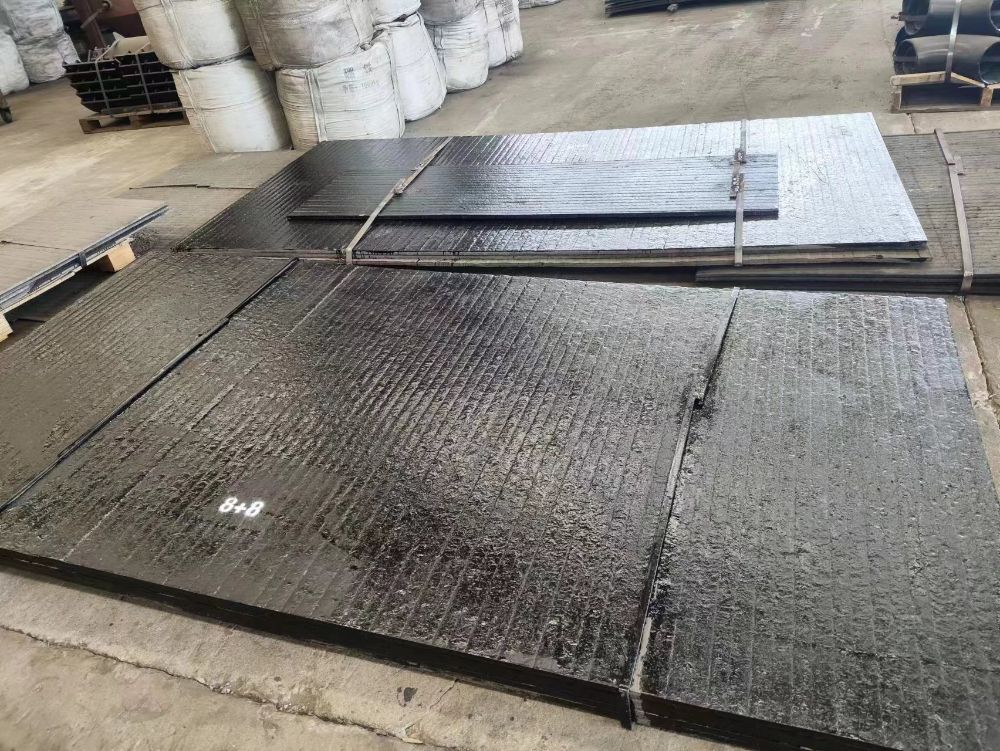
When it comes to premium wear-resistant plates, the standout feature is their exceptional hardness, often reaching levels that surpass standard materials. This isn't about just any tough surface; it involves advanced metallurgical compositions that include elements like chromium, manganese, or boron, which are alloyed to create a microstructure capable of withstanding abrasion and impact. These plates don't just scratch the surface of durability—they're engineered for long-term performance in demanding environments, from mining equipment to construction machinery.
Another key aspect is the uniformity of these properties across the entire plate, ensuring consistent wear resistance without weak spots. This is achieved through precise manufacturing processes, such as controlled heat treatments or specialized rolling techniques, which enhance the material's integrity. Unlike off-the-shelf alternatives, high-quality plates are often customized to specific applications, balancing hardness with toughness to prevent cracking under stress, making them a reliable choice in industries where downtime from wear can be costly.
In practice, these characteristics translate to real-world benefits: the plates can significantly extend the lifespan of machinery, reducing the need for frequent replacements and maintenance. They're not just about being hard; they're designed to adapt to dynamic conditions, resisting wear from particles, friction, and harsh chemicals. This blend of tailored composition and process innovation is what sets premium wear-resistant plates apart, offering a smart investment for those prioritizing efficiency and durability in their operations.
How Proper Sourcing Impacts Steel Plate Longevity
The longevity of steel plates hinges significantly on their initial sourcing, a factor often overlooked by project managers focused solely on cost or immediate availability. When sourced from reputable suppliers with stringent quality control protocols, steel plates are more likely to have consistent chemical compositions and fewer internal defects, which directly translates to enhanced durability under stress and environmental exposure. This careful selection process ensures that the material can withstand long-term wear, reducing the frequency of replacements and maintenance issues down the line.
Beyond mere supplier reputation, proper sourcing involves verifying certifications and traceability, such as ASTM standards or mill test reports, which confirm the steel's adherence to specific performance criteria. Plates sourced with this level of scrutiny exhibit superior resistance to corrosion, fatigue, and impact, making them ideal for critical applications like infrastructure, shipbuilding, or heavy machinery. In contrast, cutting corners in sourcing can lead to inferior plates that degrade prematurely, compromising safety and increasing lifecycle costs through unexpected failures.
Moreover, strategic sourcing considers environmental factors and supply chain transparency, which indirectly bolster longevity by ensuring the steel is produced under conditions that minimize contamination or inconsistent processing. By prioritizing quality over short-term savings, organizations not only extend the service life of their steel components but also build a reputation for reliability and sustainability, fostering trust in their projects and long-term operational efficiency.
Customization Options to Enhance Wear Resistance
To boost the durability of your products, manufacturers often provide tailored solutions that go beyond standard materials. For instance, applying specialized coatings like titanium nitride or diamond-like carbon can significantly reduce surface friction and abrasion, extending component lifespan in high-stress applications. These options allow users to specify thickness, hardness, and bonding techniques, ensuring optimal performance under specific operational conditions. Unlike off-the-shelf alternatives, such customizations can be fine-tuned to match exact environmental factors, such as humidity or chemical exposure, offering a precise defense against wear.
Another effective approach involves material selection and reinforcement techniques. By incorporating additives like ceramic particles or advanced polymers into the base material, you can create composites that better withstand impact and sliding forces. This doesn't just add bulk; it strategically enhances key areas prone to degradation, such as edges or contact surfaces. Custom designs might include textured patterns or microstructures that distribute stress more evenly, preventing localized damage. Such bespoke solutions often stem from collaborative engineering, where feedback from real-world usage leads to innovations that standard products overlook, making them more resilient over time.
Beyond surface treatments and materials, process optimizations play a crucial role in wear resistance. Techniques like heat treatment or cryogenic processing can alter the microstructure of metals, increasing hardness without sacrificing toughness. Customization here means adjusting parameters like temperature and duration to suit specific alloys or intended loads. This allows for creating components that not only last longer under repetitive use but also maintain their integrity in varying climates or mechanical settings. By focusing on these tailored processes, you can achieve a balance between cost-efficiency and premium durability, setting your products apart in competitive markets through enhanced reliability and reduced maintenance needs.
Comparing Wear-Resistant Steel Types and Their Uses
When diving into the realm of wear-resistant steels, it's clear that not all variants are created equal. Materials like AR400, AR500, and Hardox 450 each bring unique chemical compositions and hardening methods to the table, tailored for specific industrial demands. For instance, AR400, with its moderate hardness, excels in applications requiring a balance between toughness and abrasion resistance, such as in mining chutes and conveyor components. In contrast, AR500 offers higher hardness for more severe wear environments like bulldozer blades, making it a go-to where cutting edges need to withstand constant friction. Understanding these distinctions helps engineers select the right steel to enhance longevity and reduce maintenance costs.
Beyond basic grades, advanced wear-resistant steels like Quard and Creusabro push the boundaries with added alloying elements. Quard incorporates boron to improve hardenability without compromising weldability, making it ideal for fabricated wear plates in agricultural machinery. Meanwhile, Creusabro's inclusion of chromium and nickel boosts its resistance to both abrasive and impact wear, perfect for heavy-duty crusher liners in quarry operations. By comparing these types, users can pinpoint materials that not only resist wear but also handle specific operational stresses, ensuring optimal performance in harsh conditions.
Practical applications further illustrate the importance of matching steel types to use cases. For example, in construction, Hardox 450's uniform hardness distribution makes it a top choice for dump truck bodies exposed to rough handling of aggregates. In the recycling industry, steels with enhanced impact resistance, like those with higher manganese content, prove invaluable for shredder components dealing with mixed materials. This nuanced comparison empowers industries to move beyond one-size-fits-all solutions, adopting tailored steels that maximize durability and efficiency across diverse wear scenarios.
Maintenance Tips to Prolong Steel Plate Durability
To keep your steel plates in top shape for years, a few simple habits can make all the difference. Regularly wiping down surfaces with a soft cloth and mild detergent helps remove dirt and moisture that might lead to rust. It's especially important to dry them thoroughly after cleaning, as lingering water can sneak into tiny crevices and start corrosion over time. For plates used outdoors or in humid environments, consider applying a thin coat of protective oil or wax every few months—this creates a barrier against the elements without being overly messy or time-consuming.
When it comes to storage, think about where you're keeping those plates. Avoid piling them directly on damp floors or in areas with high humidity, like basements or near leaky pipes. Instead, store them on wooden pallets or racks to allow airflow underneath, which prevents condensation buildup. If you notice any scratches or dings, don't ignore them; a quick touch-up with rust-resistant paint can seal minor damage before it spreads. It's a small step that saves you from bigger headaches down the road, keeping the metal looking fresh and functional.
Beyond the basics, pay attention to how you handle the plates during use. Try to minimize exposure to harsh chemicals or abrasive materials that could wear down the surface. When moving them, use proper lifting techniques or equipment to avoid bending or warping, as structural stress can weaken durability over time. Rotating plates in high-traffic areas, like in industrial settings, can distribute wear more evenly. These little tweaks in routine not only extend their lifespan but also ensure they're always ready for whatever task comes next, blending practicality with long-term value.
FAQ
Focus on hardness, impact resistance, and thickness to ensure the plate withstands harsh conditions like abrasion or heavy loads. Look for grades like AR400 or AR500, which are known for their durability in industrial applications.
Thicker plates, typically over 1/2 inch, provide better resistance to penetration and wear over time, making them ideal for mining or construction equipment. However, balance thickness with weight and cost to avoid unnecessary bulk.
They often overlook certifications, such as ASTM standards, or fail to verify the supplier's reputation for quality control. Relying solely on price can lead to inferior materials that wear out quickly.
Yes, distributors often offer cutting, drilling, or shaping services to tailor plates for machinery parts, liners, or chutes. Discuss your needs to get a precise fit that enhances durability in your setup.
Moisture can cause corrosion, so consider coatings or grades with corrosion resistance. In cold climates, ensure the steel maintains toughness to prevent cracking under stress.
Regular inspections for wear spots, proper installation to avoid stress points, and occasional surface treatments like hardening can significantly prolong service life without frequent replacements.
Expert distributors provide guidance on material selection, application-specific advice, and after-sales support, ensuring you get the right plate that maximizes durability and reduces downtime.
For light-duty applications, consider lower-grade steels or composite materials that offer sufficient resistance at a lower price, but always assess the trade-off in performance and lifespan.
Conclusion
Selecting the right wear-resistant steel for your application begins with understanding the essential characteristics that define high-quality plates, such as hardness, toughness, and impact resistance. A knowledgeable distributor can guide you through this process by comparing various wear-resistant steel types and their specific uses in industries like mining or construction, ensuring the material matches your operational demands. Proper sourcing from reliable suppliers further impacts longevity, as consistent quality control and material traceability prevent premature failure and enhance durability in harsh environments.
Customization options, such as tailored cutting or forming, allow for enhanced wear resistance by optimizing plate geometry and surface treatments to suit unique challenges. Beyond initial selection, maintenance tips like regular inspections and proper lubrication play a crucial role in prolonging steel plate durability, reducing downtime and replacement costs. By integrating these aspects—from informed sourcing to ongoing care—a distributor’s expertise becomes invaluable in delivering solutions that balance quality and long-term performance, ensuring your investment withstands the test of time.
Contact Us
Contact Person: Zoe Liang
Email: [email protected]
Tel/WhatsApp: 86 189 2128 6299
Website: https://www.baowuchina.com