

Wear Resistant Steel Plate Price & Factory Supply
2026-03-13
In an industry where durability directly impacts operational costs, the choice of wear-resistant steel plates is more than a simple purchase—it's a strategic decision. But how do you navigate the complexities of pricing and supply in today's market? This blog dives into the real-world factors that influence wear-resistant steel plate prices, from material grades to factory capabilities, offering insights to help you make informed choices without overspending. Discover what's behind the quotes and how to secure reliable, cost-effective solutions for your projects.
Understanding Wear Resistant Steel Plate Grades and Their Impact on Cost
图片展示Wear resistant steel plates aren't just generic slabs of metal; their specific grades, defined by hardness levels and alloy compositions, dictate everything from durability to price. For instance, a common grade like AR400 offers a balance with around 400 Brinell hardness, while AR500 steps it up for more punishing applications, directly affecting material costs due to the extra processing required. It's like choosing between a standard rubber tire and a reinforced one—both work, but one lasts longer under stress, justifying the higher initial outlay.
Diving deeper, the cost impact goes beyond just the raw steel price. Higher grades often incorporate elements like chromium or carbon to boost resistance to abrasion and impact, but this can increase production expenses and machining difficulty, potentially hiking up overall project budgets. In practice, selecting the right grade means weighing factors like expected wear rates and operational downtime—a misjudged choice might save money upfront but lead to frequent replacements that drain funds over time.
Real-world examples highlight how smart grade selection pays off. In industries like mining or construction, using an appropriately graded plate can slash maintenance cycles, reducing labor and equipment costs significantly. For example, a quarry opting for a mid-range grade might see a 20% cost increase at purchase compared to a basic option, but that investment often translates into years of uninterrupted service, proving that cost isn't just about the sticker price—it's about long-term value and reduced hassle.
How to Source Wear Resistant Steel Plate Directly from Reliable Suppliers
图片展示Sourcing wear resistant steel plate directly from reliable suppliers is a smart move for businesses looking to cut costs and ensure quality. Instead of relying on intermediaries, you can build a direct relationship with manufacturers, which often leads to better pricing and faster communication. To get started, identify suppliers with a strong reputation in the industry by checking online reviews, industry forums, and certifications like ISO standards. Reach out to them through their official channels, such as websites or trade shows, to discuss your specific needs and request samples for testing.
When evaluating potential suppliers, focus on their expertise in wear resistant materials. Ask about their production processes, such as heat treatment and alloy composition, to ensure the steel plate meets your durability requirements. Consider factors like lead times, minimum order quantities, and after-sales support—these details can make a big difference in your overall experience. It's wise to request references from other clients and visit facilities if possible, as this helps verify their capabilities and build trust. Avoid rushing the process; take time to compare multiple suppliers to find the best fit for your project.
Once you've chosen a supplier, establish clear terms in a contract to protect both parties. Specify details like quality standards, delivery schedules, and payment terms to prevent misunderstandings. Maintain open communication throughout the partnership, providing feedback and addressing issues promptly to ensure long-term reliability. By sourcing directly, you not only gain control over the supply chain but also foster a collaborative relationship that can adapt to changing needs, leading to more efficient and successful outcomes.
Our Products
图片展示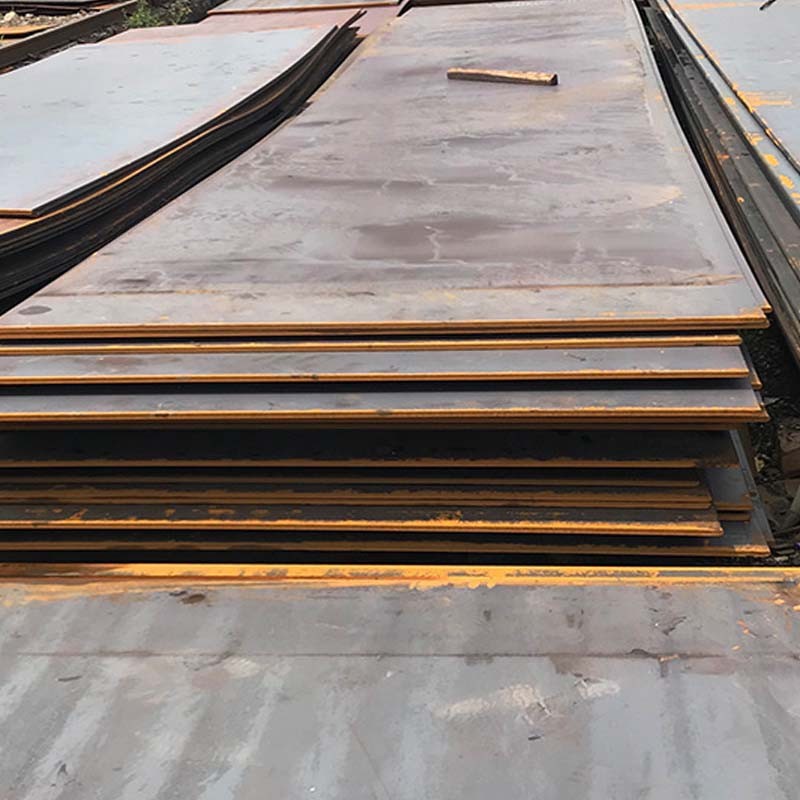
Key Factors That Influence Wear Resistant Steel Plate Pricing in the Market
图片展示One of the main elements shaping the cost of wear resistant steel plates is the quality and grade of the material. Higher-grade steels, often containing specific percentages of carbon, manganese, and chromium, offer superior durability against abrasion and impact, but this enhanced performance comes with higher production expenses, including advanced alloying and precise heat treatment processes. Variations in these components can lead to significant price fluctuations, as manufacturers tailor plates to meet different industrial needs, such as mining equipment or construction machinery.
Beyond material composition, market dynamics and supply chain factors play a crucial role in pricing. Fluctuations in raw material costs, such as iron ore or alloy additives, directly impact overall prices, especially during periods of high demand in sectors like heavy industry. Additionally, factors like manufacturing capacity, availability of specialized processing technologies, and trade tariffs can create regional price disparities, making it essential for buyers to consider both global economic trends and local sourcing options when budgeting for these plates.
The cost is also affected by customization requirements and after-sales services. Plates may need to be cut, shaped, or treated to exact specifications for specific applications, adding to labor and processing expenses. Furthermore, reputation of suppliers, warranty terms, and the availability of technical support can influence pricing, as companies often charge premiums for reliability and comprehensive service packages that ensure long-term performance and reduce downtime in harsh operating environments.
Custom Wear Resistant Steel Plate Solutions for Your Specific Applications
图片展示When it comes to heavy-duty machinery, mining, or construction, off-the-shelf steel plates often fall short. That's where our custom wear-resistant solutions come in—designed to fit your unique operational challenges perfectly. By analyzing factors like abrasion types, load cycles, and environmental conditions, we craft steel plates that not only last longer but also reduce downtime and maintenance costs. It's all about delivering a precise match for your specific application needs, ensuring optimal performance from day one.
Our approach starts with a detailed consultation to understand your exact requirements, whether you're dealing with high-impact grinding in mining or corrosive wear in chemical processing. We then tailor the material composition, hardness levels, and surface treatments—like heat treatment or specialized coatings—to create plates that withstand your specific wear patterns. This customization means you get a product that outperforms generic alternatives, offering enhanced durability and efficiency tailored to your machinery's demands.
Beyond just material specs, we focus on seamless integration into your existing systems. Our team works closely with you to ensure proper sizing, mounting, and compatibility, minimizing installation hassles. With options like custom shapes, drilling patterns, and edge treatments, these plates are built to slot right into your workflow. Ultimately, this bespoke solution translates into real-world benefits: extended equipment life, lower replacement frequency, and a smoother, more productive operation overall.
Comparing Wear Resistant Steel Plate Options from Various Manufacturing Partners
图片展示When evaluating wear resistant steel plates from different manufacturing partners, it's crucial to look beyond basic specifications like hardness ratings. Each supplier often brings unique metallurgical techniques to the table, influencing factors such as impact resistance, weldability, and long-term durability under abrasive conditions. Some manufacturers might focus on innovative alloy compositions that enhance performance in high-stress environments, while others could prioritize cost-efficiency without compromising core wear properties. By comparing these nuanced approaches, you can identify which partner aligns best with your specific operational needs, whether for mining equipment, construction machinery, or industrial processing applications.
Diving into the specifics, variations in heat treatment processes and quality control standards can lead to significant differences in plate performance, even among products with similar nominal hardness levels. For instance, one partner might employ advanced quenching methods that produce a more uniform microstructure, reducing the risk of cracking under heavy loads. Others may offer custom fabrication services, allowing for tailored solutions like pre-cut shapes or specialized surface finishes. It's worth noting how these factors affect not just initial costs but also maintenance intervals and overall lifecycle expenses, helping you make a more informed decision based on total value rather than upfront price alone.
Ultimately, selecting the right manufacturing partner involves a holistic assessment that considers technical support, supply chain reliability, and after-sales service. Some companies excel in providing comprehensive documentation and testing reports, ensuring transparency and compliance with industry standards. Others might stand out through rapid turnaround times or flexible ordering options. By carefully weighing these aspects alongside material properties, you can choose a supplier that not only delivers high-quality wear resistant steel but also supports your project's success with responsive collaboration and dependable delivery.
Get Your Wear Resistant Steel Plate Quote and Contact Us for Details
图片展示Curious about the cost of wear resistant steel plates for your project? We offer customized quotes tailored to your specific needs, whether you're handling heavy machinery, construction, or industrial applications. Simply provide details like dimensions, grade requirements, and quantities, and we'll craft a precise estimate that ensures you get the best value without any hidden fees. Our team is dedicated to transparency, so you'll see exactly what you're paying for upfront.
Need more information or have questions before requesting a quote? We're here to help! Reach out to us via email, phone, or our online contact form—our experts are ready to discuss material options, durability specs, or delivery timelines. With years of industry experience, we can guide you through selecting the ideal steel plate to maximize performance and longevity in challenging environments.
Don't settle for generic solutions when precision matters. By contacting us, you'll access personalized support and quick responses, ensuring your project stays on track. Let's connect today to explore how our wear resistant steel plates can enhance your operations and deliver lasting results.
FAQ
What factors typically influence the pricing of wear resistant steel plates?
How can I ensure I'm getting high-quality wear resistant steel from a factory supplier?
Are there any specific grades or standards I should look for when purchasing wear resistant steel plates?
What are the common applications for wear resistant steel plates in industrial settings?
Can factories provide custom sizing or cutting services for wear resistant steel plates?
How does the lead time for wear resistant steel plates vary between different suppliers?
What maintenance practices help extend the lifespan of wear resistant steel plates in use?
Are there any environmental or sustainability considerations in the production of wear resistant steel?
Conclusion
To navigate the market for wear resistant steel plate effectively, understanding the relationship between plate grades and cost is essential. Different grades, such as AR400 or AR500, offer varying levels of hardness and durability, directly impacting pricing. Sourcing directly from reliable suppliers can lead to significant savings and ensure quality, but it requires evaluating factors like manufacturer reputation and production capabilities. Market pricing is influenced by global raw material costs, supply chain logistics, and demand fluctuations, making it crucial to stay informed about trends. By exploring custom solutions tailored to specific applications, businesses can optimize performance and cost-efficiency, rather than settling for generic options.
When comparing wear resistant steel plate options from various manufacturing partners, consider not just price but also certifications, lead times, and after-sales support. This holistic approach helps in selecting a supplier that aligns with operational needs and budget constraints. For instance, some factories may offer competitive quotes for bulk orders, while others excel in precision customizations. Ultimately, obtaining a detailed quote and contacting suppliers for specifics allows for transparent negotiations and informed decisions, ensuring the best value in terms of both cost and factory supply reliability for projects ranging from mining to construction.
Contact Us
Contact Person: Zoe Liang
Email: [email protected]
Tel/WhatsApp: 86 189 2128 6299
Website: https://www.baowuchina.com